


Supreme Court Stresses Importance of Caste Census for Better Welfare Planning and Resource Distribution

The CSR Journal Magazine

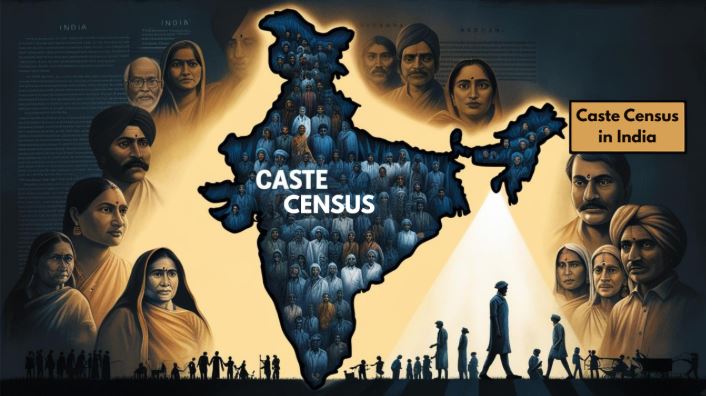
The Supreme Court has underscored the importance of conducting a caste census, asserting that the government should possess an accurate understanding of the number of individuals belonging to backward classes. This viewpoint was articulated during the hearing of petitions concerning the caste census, reflecting the court’s belief that data collection is crucial for informing social welfare policies.

Significance of Accurate Data

The court’s comments came in the context of ongoing discussions regarding social justice and the distribution of benefits to various communities. By obtaining precise statistics on backward classes, the government would be better equipped to allocate resources and tailor programmes that promote equity among different societal segments. The justices highlighted that the absence of reliable data hinders the effective implementation of initiatives aimed at uplifting marginalised groups.

Officials from various states have responded to the Supreme Court’s observations, stating that an accurate understanding of the caste demographics is integral to social policy development. They also noted that a caste census could encourage greater participation among communities that have historically received less representation in government schemes.

Amidst the discussions, several stakeholders have voiced their support for the implementation of a caste census. Advocates argue that this move could rectify historical injustices by ensuring that the true composition of society is recognised in policy planning. The need for comprehensive data, they contend, is more pressing than ever in light of evolving societal dynamics.

Government’s Response to Court Observations

In light of the Supreme Court’s remarks, government representatives have acknowledged the necessity of reviewing existing statistics related to backward classes. They indicated that the government is contemplating measures to enhance data-gathering processes across the nation. However, precise timelines for these initiatives remain unclear, and the court pressed for updates on progress during subsequent hearings.

Furthermore, the government faces pressure to justify its stance on conducting the caste census, with many arguing that inadequate data could perpetuate inequalities. Officials have expressed a commitment to addressing the issue, asserting that the census is a long-term solution to ensuring equal representation and access to government programmes for all communities.

Legal experts have pointed out that the court’s emphasis on a caste census not only aims to promote fairness but also seeks to create a framework within which all citizens can benefit equitably from governmental resources. This approach aligns with constitutional mandates aimed at fostering inclusivity and social justice.

Future Implications of a Caste Census

The potential implementation of a caste census carries significant implications for the future structure of social services in India. As various states begin to initiate discussions on executing caste-based data collection, the role of judiciary oversight and public accountability becomes increasingly critical. Analysts suggest that well-defined data can lead to more informed decision-making at all levels of government.

As preparations for any possible census move forward, pending decisions in the Supreme Court could ultimately set a precedent for how caste dynamics are addressed in policy-making. The court’s insistence on the need for accurate census data is a call for accountability and responsibility from government officials to recognise and address the realities faced by backward classes.

As the discourse surrounding the caste census evolves, continued public engagement and advocacy efforts will be essential in ensuring that the initiative leads to tangible benefits for underrepresented groups. The judiciary’s spotlight on the issue reaffirms the necessity for a structured approach to understanding and serving India’s diverse population.

Long or Short, get news the way you like. No ads. No redirections. Download Newspin and Stay Alert, The CSR Journal Mobile app, for fast, crisp, clean updates!

App Store –  https://apps.apple.com/in/app/newspin/id6746449540 

Google Play Store – https://play.google.com/store/apps/details?id=com.inventifweb.newspin&pcampaignid=web_share

Latest News

Popular Videos