


Pakistan-Iran Talks Target Regional Stability and Reopening Strait of Hormuz
The CSR Journal Magazine

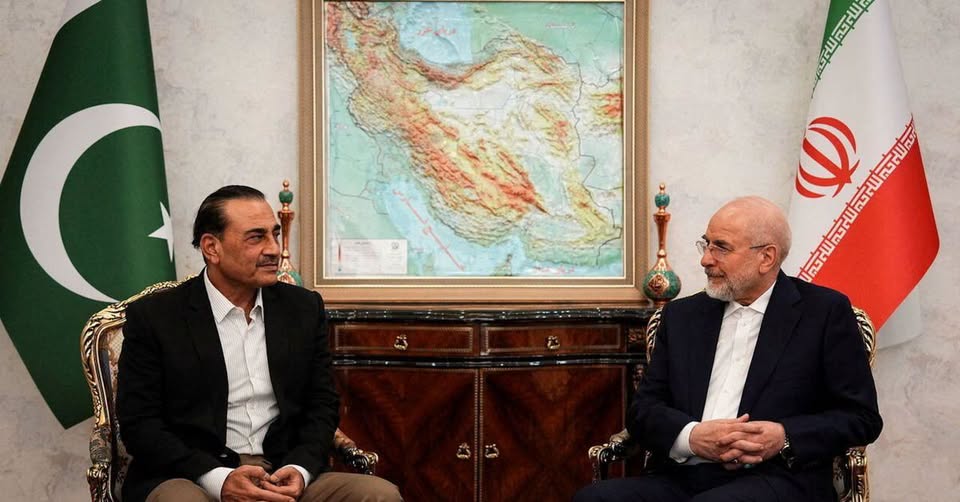
Recent dialogues between Pakistan and Iran have marked a notable advancement in efforts to address the ongoing conflict involving the US and Israel. This development was highlighted by Pakistan’s interior minister following a visit to Tehran. The discussions were geared towards finding a pathway to peace and strategies to prevent further escalation of tensions in the region.

The meetings, as noted in a statement from the Pakistani military, brought attention to the reopening of the Strait of Hormuz and mechanisms for ending the current hostilities. The exchanges involved high-level discussions between Pakistan’s army chief, General Asim Munir, and senior Iranian officials, aimed at fostering a collaborative approach to regional peace.

Interior Minister Mohsin Naqvi, who accompanied General Munir, described the conversations as constructive. He mentioned that Iranian President Ebrahim Raisi openly conveyed his government’s standpoint, contributing to a fruitful dialogue concerning the complexities at play.

Reopening of the Strait of Hormuz Discussed

One of the key focal points of the meeting was the Strait of Hormuz, a vital waterway for global oil shipments. Both nations are reportedly keen on ensuring that this route remains open and secure amidst rising tensions that have potential repercussions on international trade. The dialogue included deliberations on how to navigate the geopolitical challenges surrounding the strait.

The Iranian leadership expressed concerns about external threats and stressed the importance of regional allies in maintaining stability. The Pakistani delegation underscored the necessity of collaborative efforts to mitigate risks and work towards a long-lasting resolution to the disputes which affect both countries.

There is an increasing urgency to address these issues given recent escalations. The discussions not only aimed to halt further violence but also sought to devise sustainable solutions to prevent future conflicts in the region.

Implications of US Involvement

The backdrop of these discussions included significant US involvement in the region, particularly regarding its policies towards Iran. Reports indicate that General Munir had communications with US President Donald Trump prior to his visit, adding another layer to the complicated dynamics at play. Trump had previously cautioned nations against offering assistance to Iran, signalling the potential for economic sanctions as a means to limit Iran’s influence.

This situation has led Iran to assert its position on protecting its oil exports from potential threats, as the Gulf remains a contentious area of interest for multiple stakeholders. The measures discussed in Tehran aim to counter such threats while also fostering a stable environment for dialogue.

As the discussions unfolded, the urgency for a unified approach to regional challenges was evident among the leaders. The future of peace in this volatile area may depend on the willingness of neighbouring countries to collaborate more closely, based on mutual interests and shared objectives.

Long or Short, get news the way you like. No ads. No redirections. Download Newspin and Stay Alert, The CSR Journal Mobile app, for fast, crisp, clean updates!

App Store –  https://apps.apple.com/in/app/newspin/id6746449540 

Google Play Store – https://play.google.com/store/apps/details?id=com.inventifweb.newspin&pcampaignid=web_share

Latest News

Popular Videos
