


Supreme Court Questions Notice Issued to CJP Protester by Greater Noida Magistrate
The CSR Journal Magazine

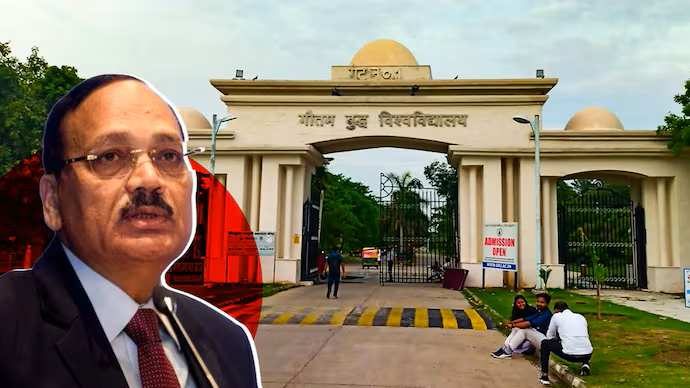
The Supreme Court has raised questions regarding the actions of a Greater Noida executive magistrate who issued a notice to a Gautam Buddha University student for participating in the Cockroach Janta Party (CJP) protest in Delhi. This response comes after a Supreme Court order, which clearly prohibited any coercive measures against students involved in the protests that spanned 36 days. The matter has drawn serious attention as the court emphasised protections previously granted to the students.

The student, identified as Akshat Tripathi, was instructed by the magistrate to provide a personal bond of Rs 5 lakh, purportedly for maintaining peace following his participation in the protest. The police later retracted the notice, alleging that Tripathi had incited fellow students to join the demonstration.

Chief Justice of India (CJI) Surya Kant, who presided over a three-judge bench during the hearing, expressed disbelief at the issuance of such a notice. CJI Kant noted that it was a clear violation of the court’s order that explicitly protected students from any punitive actions. The court reiterated the importance of adhering to its directives regarding the treatment of youth engaged in lawful protests.

Details of the Notice Issued

The notice in question, reportedly issued by the Court of the Executive Magistrate III in Greater Noida on September 4, was based on a police complaint. The police claimed that on the grounds of public order, Tripathi was allegedly spreading “anti-government misleading talks” and encouraging other students to partake in the CJP protest.

According to the police report, Tripathi’s actions were said to have potentially incited unrest among students, resulting in a risk to peace and public order. As a part of the notice, the executive magistrate called for Tripathi to justify why he should not be required to execute a personal bond of Rs 5 lakh, along with providing two sureties of the same amount.

Tripathi has firmly denied the allegations, stating that his involvement in the protest was peaceful and he was not attending classes at that time. This assertion challenges the basis of the notice and raises questions regarding the charge made against him.

Legal Reactions and Court’s Approach

During the proceedings, Senior Advocate Bishwajit Bhattacharyya characterised the situation as an unjust “experiment with students” that should not instill a “fear psychosis” among youth in India. He argued vehemently that even though the notice was eventually withdrawn, it did not negate the violation of the Supreme Court’s existing order.

Justice Joymalya Bagchi queried whether the withdrawal of the notice extinguished any cause for action. Bhattacharyya maintained that even a retraction did not mitigate the contempt of court, emphasising that the court should take this matter seriously.

The Supreme Court has indicated its intention to delve deeper into the issue, with plans to seek explanations from the Greater Noida Authority regarding the steps taken against the student. This emerging situation underscores the critical discourse around the treatment of student activists in the context of protests and legal frameworks in India.

Long or Short, get news the way you like. No ads. No redirections. Download Newspin and Stay Alert, The CSR Journal Mobile app, for fast, crisp, clean updates!

App Store –  https://apps.apple.com/in/app/newspin/id6746449540 

Google Play Store – https://play.google.com/store/apps/details?id=com.inventifweb.newspin&pcampaignid=web_share

Latest News

Popular Videos
