


Ex-EC Ashok Lavasa Slams SIR Exercise for Shifting Burden of Proof to Voters
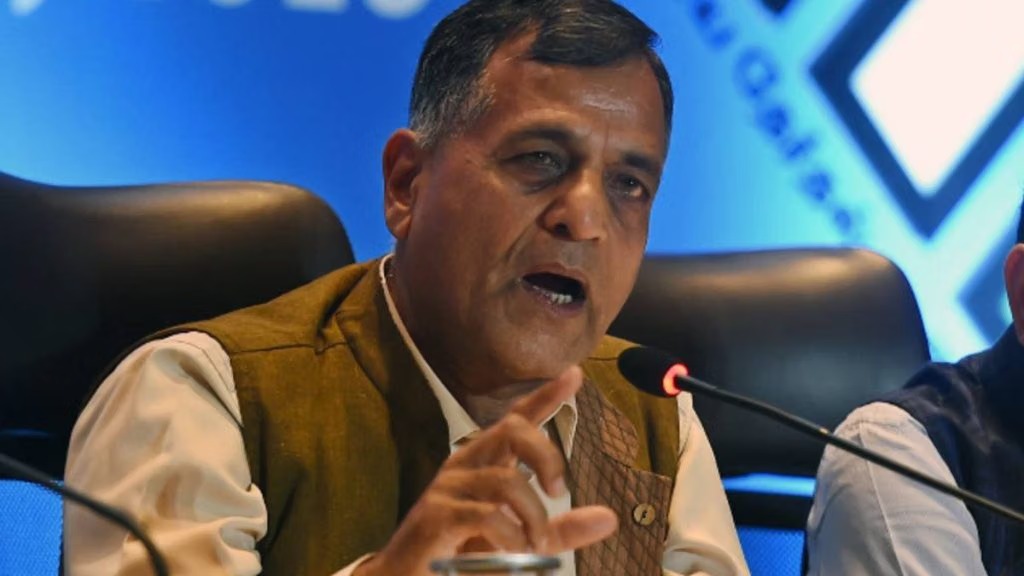
Former Election Commissioner Ashok Lavasa has characterised the Special Intensive Revision (SIR) exercise as “conceptually fraud,” stating that it improperly shifts the responsibility of proving voter eligibility from the Election Commission to the voters themselves. In his remarks at the India Today Conclave, Lavasa underscored that historically, the Election Commission has been tasked with the duty of not only registering voters but also actively engaging with the populace to ensure their inclusion in electoral rolls.

Lavasa argued that since India’s independence, the Election Commission and its affiliated personnel have held the obligation to reach out and facilitate registration. “The Constitution grants the right to vote. If your name is absent from the electoral rolls, you cannot exercise that right,” he noted. He expressed concern that the current exercise prioritises the exclusion of potential voters rather than their inclusion.

Objective of the SIR Process Questioned

While acknowledging that the stated aim of the SIR process was to eliminate ineligible voters from electoral rolls, Lavasa questioned the effectiveness of this initiative. He stated that such an objective was “very fair” and deserving of recognition, yet he prompted the Election Commission to clarify how many ineligible individuals had actually been identified and removed during this process.

With an estimated 50 crore people having undergone the SIR exercise, Lavasa demanded transparency regarding the outcomes. “Can you please tell how many ineligible people have been detected and removed?” he asked, emphasising the importance of clarity in the implementation of such measures.

He cited the Constitutional criteria for voter eligibility under Article 326, explaining that these standards are limited to four specific conditions: Indian citizenship, a minimum age of 18, absence of disqualifications under the Constitution or law, and not falling under defined disqualification grounds. “These are the essentials. No other qualifications are required,” Lavasa asserted.

Questioning Removal of Voters Due to Doubtful Citizenship

Lavasa also raised alarms concerning voters who were removed from electoral rolls on the basis of dubious citizenship. He referenced a Supreme Court ruling issued on May 27, which mandated that all cases removed due to questionable citizenship should be referred to Foreigners Tribunals within four weeks of completing the SIR process. Lavasa pointed out that despite this directive, four months had elapsed without any public disclosure of the number of cases addressed.

The lack of information regarding these cases has led to calls for accountability. “People are entitled to know how many cases have been referred to the Foreigners Tribunal,” Lavasa stated, highlighting the need for the Election Commission to provide clarity and assurance regarding these issues.

In conclusion, Lavasa’s remarks reflect a growing concern among observers about the SIR exercise and its implications for electoral integrity. As the discourse evolves, it remains crucial for the Election Commission to communicate effectively about the processes and outcomes of voter registration efforts.

Long or Short, get news the way you like. No ads. No redirections. Download Newspin and Stay Alert, The CSR Journal Mobile app, for fast, crisp, clean updates!

App Store –  https://apps.apple.com/in/app/newspin/id6746449540 

Google Play Store – https://play.google.com/store/apps/details?id=com.inventifweb.newspin&pcampaignid=web_share

Latest News

Popular Videos
