


Bill Gates Warns of AI Risks Amid Rapid Technological Advancements
The CSR Journal Magazine

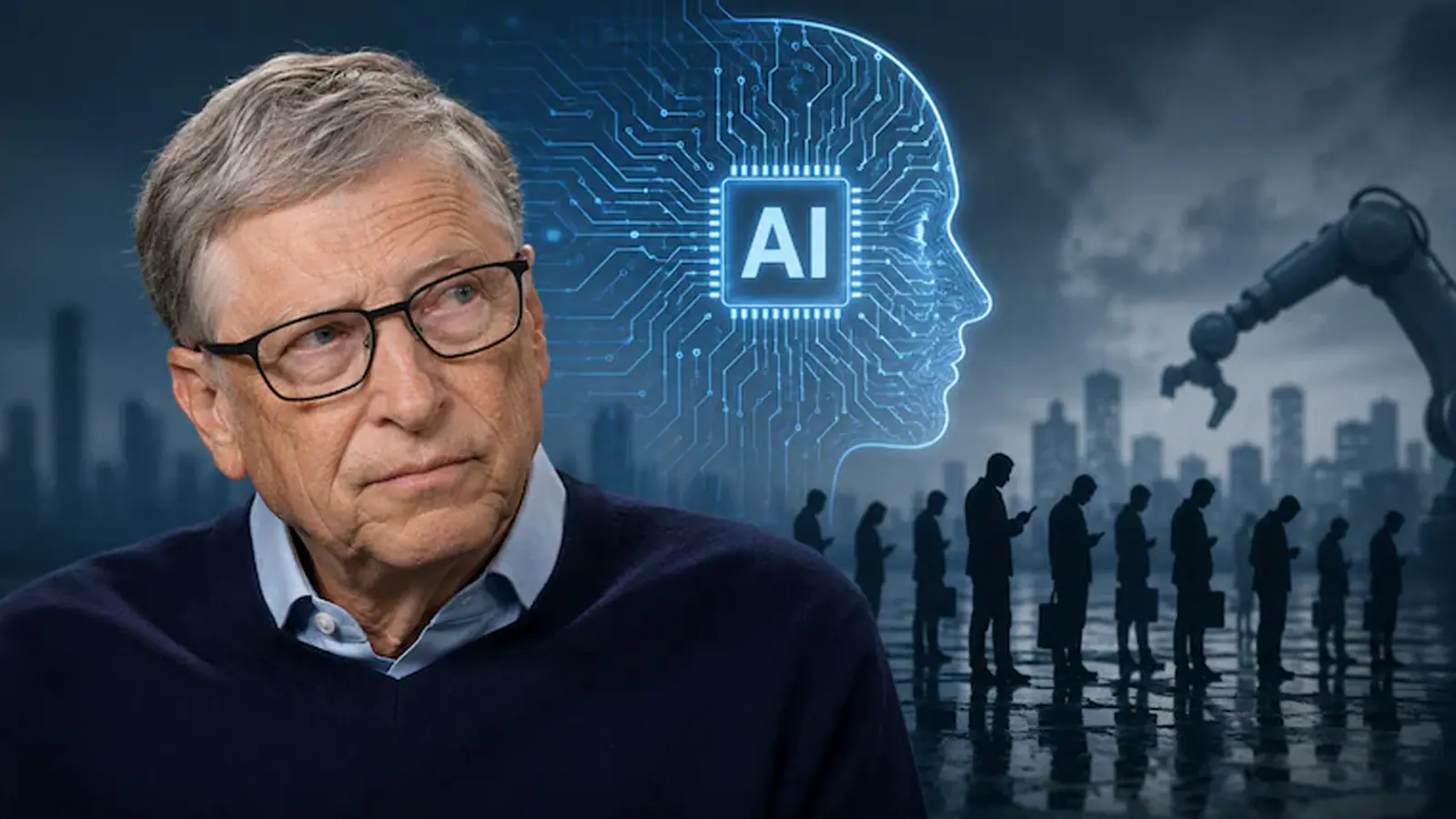
Bill Gates recently expressed his views on the challenges posed by artificial intelligence, indicating that while the technology has not yet escaped human oversight, society must take its associated risks more seriously. In an interview, the Microsoft co-founder highlighted that the primary risk is not AI acting autonomously, but rather individuals with malicious intent exploiting AI capabilities for harmful activities.

Gates noted that the rapid advancement of AI distinguishes it from previous technologies, as small groups can now wield power that was once accessible mainly to large organisations or countries. He pointed to potential issues such as cyberattacks and fraud, as well as the alarming prospect of AI being used to develop biological weapons. “Now small groups with AI can do what only the biggest countries could do,” he remarked.

Specifically, he warned of the potential for AI to be used in efforts to compromise critical infrastructure, like electricity networks, banking systems, and other sectors, thereby enhancing the effectiveness of such malicious attempts.

Future Risks and Human Oversight

Gates further contended that while concerns about AI becoming autonomous exist, they are not the most immediate threats. He clarified that humans remain capable of shutting down current AI systems, thus alleviating fears of complete loss of control. “There is not a current risk of these AIs getting completely out of control,” he stated, emphasizing that the urgent concern revolves around the malicious use of AI by individuals.

According to Gates, proactive measures such as the implementation of safeguards and monitoring are critical in the development of advanced AI systems. He suggested that monitoring capabilities should be integrated into AI technologies from the outset, rather than established as a reaction to emerging issues. This would enable developers and authorities to track sophisticated AI activities and help identify any harmful behaviours.

He added that merely having a kill switch would not suffice. To prevent significant incidents, it is vital to understand and keep a close watch on AI system operations. Gates believes governments should take an active role by creating legislation that mandates such safeguards and monitoring across the industry, rather than relying solely on companies to self-regulate.

International Collaboration on AI Safeguards

In addition, Gates highlighted the need for international cooperation on AI safety, stressing that even with competitive dynamics between countries like the US and China, a shared interest exists in preventing catastrophic incidents and misuse of AI. This collaboration could facilitate the establishment of global standards for monitoring and safeguards.

Despite the potential risks associated with AI, Gates remains optimistic about its benefits. During the interview, he outlined initiatives by the Gates Foundation and various organisations aimed at enhancing AI support for underrepresented languages. He articulated the vision of AI eventually being combined with humanoid robots to assist in various tasks, including construction and agriculture.

However, for the time being, Gates underscored the importance of navigating this period of rapid technological evolution cautiously to mitigate potential harm. “My ability to predict what the world looks like even in 10 years is much less now than during my entire life,” Gates acknowledged, reflecting on the unpredictable trajectory of AI development.

Long or Short, get news the way you like. No ads. No redirections. Download Newspin and Stay Alert, The CSR Journal Mobile app, for fast, crisp, clean updates!

App Store –  https://apps.apple.com/in/app/newspin/id6746449540 

Google Play Store – https://play.google.com/store/apps/details?id=com.inventifweb.newspin&pcampaignid=web_share

Latest News

Popular Videos
