


Supreme Court Dismisses Petition to Replace Hanging with Lethal Injection
The CSR Journal Magazine

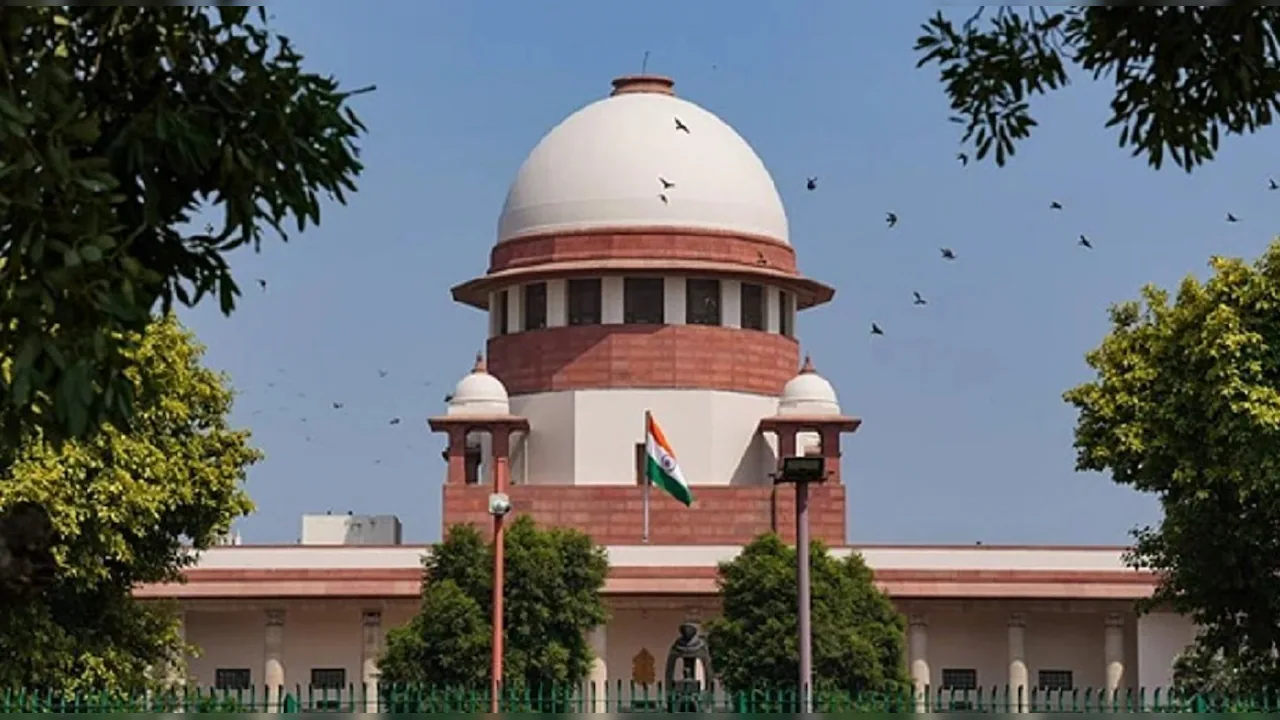
The Supreme Court has rejected a petition that aimed to substitute the current method of execution by hanging with alternative forms, such as lethal injection, which was described as less painful. The decision was made by a bench comprising Justices Vikram Nath and Sandeep Mehta on Tuesday, August 18, 2026. The court’s ruling follows a plea filed in 2017 by senior advocate Rishi Malhotra, who argued against hanging as a method of capital punishment.

The petition advocated for the abolition of hanging and proposed options like intravenous lethal injection, electrocution, shooting, and gas chamber execution. During the proceedings, Malhotra had suggested that condemned prisoners should be afforded a choice between hanging and lethal injection as their mode of execution. The bench’s ruling, however, clarified that it would not impede the government from undertaking a thorough evaluation of the execution methods through an expert body.

Legal Context and Government’s Stance

In a previous statement made in March 2023, the Supreme Court indicated it might consider establishing a committee of experts to investigate whether hanging remains a justifiable and less painful form of execution. Furthermore, the court requested comprehensive data from the Centre addressing concerns related to the modes of execution currently in use.

The Centre has consistently upheld the legal provision mandating that death row convicts be executed solely by hanging. It argued in response to the plea that other methods, including lethal injections, were not necessarily less painful. The Ministry of Home Affairs submitted a counter affidavit asserting that death by hanging is “quick and simple,” avoiding any unnecessary distress to the prisoner.

The affidavit referenced the 187th Report of the Law Commission, which had called for the existing method of execution to be reconsidered. Despite the plea being dismissed, the Supreme Court has acknowledged that the Centre may still explore potential alternatives that align better with constitutional principles, particularly regarding minimising suffering while respecting the dignity of the individual sentenced to death.

Implications for Future Evaluations

The Supreme Court’s decision signifies a clear stance on the current method of execution in India while allowing for the possibility of future reviews. While the court dismissed the immediate petition, it has left the door open for the Centre to undertake a more comprehensive examination of execution methods. This could involve consultations with experts and further public discourse on the subject.

This ruling underscores the ongoing debate surrounding capital punishment in India, particularly regarding the methods employed. As societal attitudes towards methods of execution evolve, the Supreme Court’s role in adjudicating these matters remains crucial. Legal experts and human rights advocates continue to engage in discussions about the ethical implications of capital punishment and the methods used to carry it out.

As the legal landscape surrounding capital punishment continues to change, the Supreme Court’s engagement with this issue indicates its willingness to consider reforms and respond to contemporary ethical concerns while navigating the complexities of existing legal provisions.

Long or Short, get news the way you like. No ads. No redirections. Download Newspin and Stay Alert, The CSR Journal Mobile app, for fast, crisp, clean updates!

App Store –  https://apps.apple.com/in/app/newspin/id6746449540 

Google Play Store – https://play.google.com/store/apps/details?id=com.inventifweb.newspin&pcampaignid=web_share

Latest News

Popular Videos
