


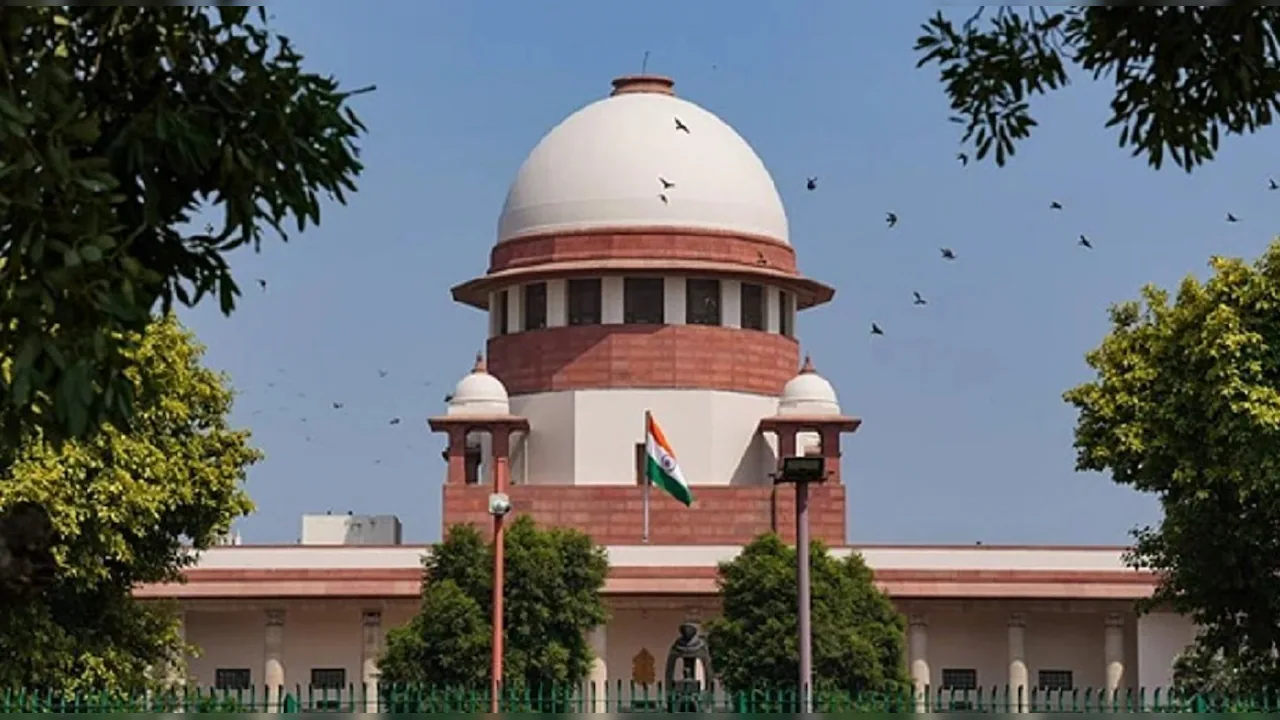

The Supreme Court has confirmed that hanging will remain the method of executing death row convicts in India, dismissing a public interest litigation (PIL) that sought alternative methods perceived as more humane and dignified. This ruling was made on August 18, 2026, by a bench comprising Justices Vikram Nath and Sandeep Mehta.
The petitions submitted to the court raised concerns regarding the pain associated with hanging and questioned its ability to uphold the dignity of the individual even after a death sentence has been pronounced. Petitioners had suggested alternatives such as lethal injection, shooting, or electrocution, yet the court did not mandate the government to replace hanging with any of these proposed methods.
The Supreme Court’s decision comes after deliberations that began when the judgement was reserved on January 22, 2026. The focus of the discussions centred on the manner of execution rather than the constitutional validity of the death penalty itself. The court stressed that the existing form of execution should be assessed regarding dignity and the minimisation of suffering.
Court Leaves Room for Future Consideration
The bench made it clear that its order does not prevent a thorough examination of the existing execution methods by the government. The court highlighted that any proposed alternatives should be mandated by proper scientific and medical assessments related to pain and suffering, implying that further research could play a crucial role in shaping future policies.
This ruling is significant as it maintains the legal framework surrounding hanging while allowing new considerations based on evolving medical science. It has emphasised the importance of scientific evaluation before any alternative execution methods can be responsibly adopted.
Broader Implications for Capital Punishment in India
The Supreme Court’s recent decision contributes to the ongoing discourse on capital punishment in India, where the death penalty is applicable in cases deemed as the “rarest of rare.” The question of execution methods has surfaced repeatedly in judicial discussions, reflecting larger societal debates about the ethical implications of capital punishment.
<h4Ultimately, the ruling paves the way for the Centre to engage in a detailed examination of execution methods if it chooses to pursue such a path. This could involve comprehensive consultations with medical experts and legal professionals to better understand the implications of different methods of execution, thus ensuring that any future policies are informed and ethical.