


Delhi Unveils 2026–27 Winter Action Plan: Stricter Pollution Rules, Boost for Public Transport
The CSR Journal Magazine

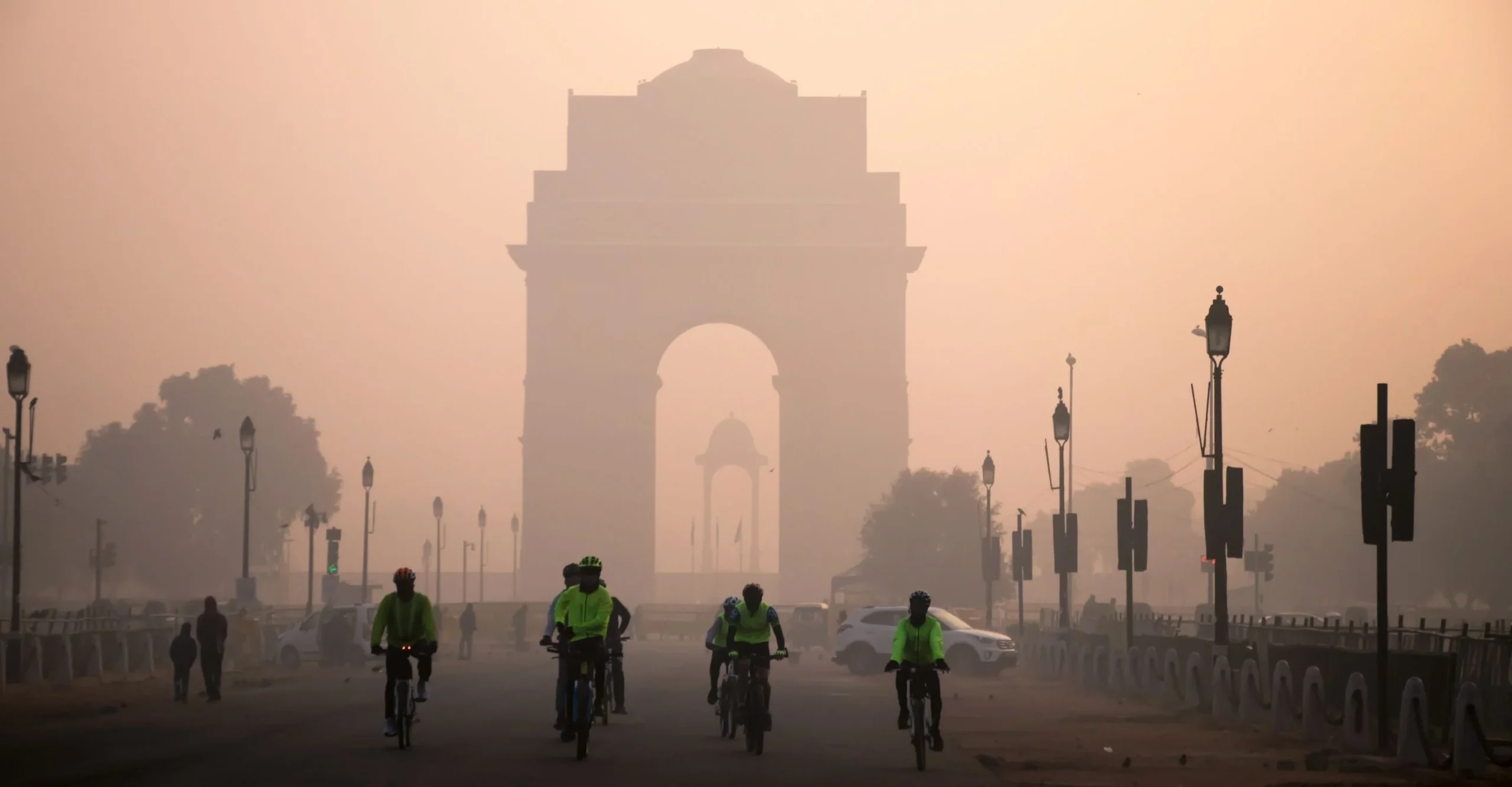
The Delhi government has intensified its preparations to combat air pollution as winter approaches, with the unveiling of its Winter Action Plan for 2026-27. Environment Minister Manjinder Singh Sirsa stated that the government is transitioning from a reactive to a preventive strategy. This shift aims to address various pollution sources through clearly defined targets and timelines across several departments.

Key Features of the Winter Action Plan

The comprehensive action plan focuses on several critical areas, including vehicular pollution, road dust, industrial emissions, and open burning. It also emphasizes monitoring traffic hotspots in the city. As part of the initiative, the government plans to enhance its “No PUCC–No Fuel” campaign at 500 fuel stations and intensify enforcement against End-of-Life vehicles. These strategies are designed to mitigate vehicle-related pollution significantly.

To promote public transport usage, the government is targeting an increase in the average daily ridership of the Delhi Metro from 6.5 million to 7.2 million, and from 3.7 million to 4.2 million for Delhi Transport Corporation (DTC) services. This boost in public transport is intended to alleviate traffic congestion and subsequent air quality deterioration during the winter months.

In addition to these initiatives, the government has planned staggered office timings and a 50 per cent work-from-home policy for the winter period to further reduce peak-hour traffic. The Municipal Corporation of Delhi (MCD) will adjust its operational hours from 8:30 am to 5 pm, while offices under the Government of the National Capital Territory of Delhi (GNCTD) will be operational from 10 am to 6:30 pm.

Restrictions on Construction Activities

The government’s Winter Action Plan also includes stringent restrictions on construction-related activities. From November 1 to January 31, demolition works and outdoor civil construction that generate dust will be prohibited. Furthermore, there will be a complete ban on all construction and demolition activities between December 10 and January 20, aiming to minimize pollution during the peak winter period.

To enhance oversight and compliance, Delhi will increase the number of Continuous Ambient Air Quality Monitoring Stations from 47 to 60. Additionally, 334 enforcement teams will be deployed to ensure adherence to pollution control measures. The introduction of an AI-enabled Command and Control Centre, combined with cameras and geo-tagged monitoring, will facilitate more effective tracking of pollution levels and violations within the city.

Minister Sirsa highlighted the need for coordinated efforts across the National Capital Region (NCR), underscoring that pollution does not respect administrative boundaries. He encouraged residents to take an active role in addressing air quality concerns by utilising public transport, maintaining valid Pollution Under Control Certificates (PUCC), and refraining from open burning. Citizens can report pollution-related issues through the 311 helpline or the Green Delhi App, fostering community involvement in improving air quality.

Long or Short, get news the way you like. No ads. No redirections. Download Newspin and Stay Alert, The CSR Journal Mobile app, for fast, crisp, clean updates!

App Store –  https://apps.apple.com/in/app/newspin/id6746449540 

Google Play Store – https://play.google.com/store/apps/details?id=com.inventifweb.newspin&pcampaignid=web_share

Latest News

Popular Videos
