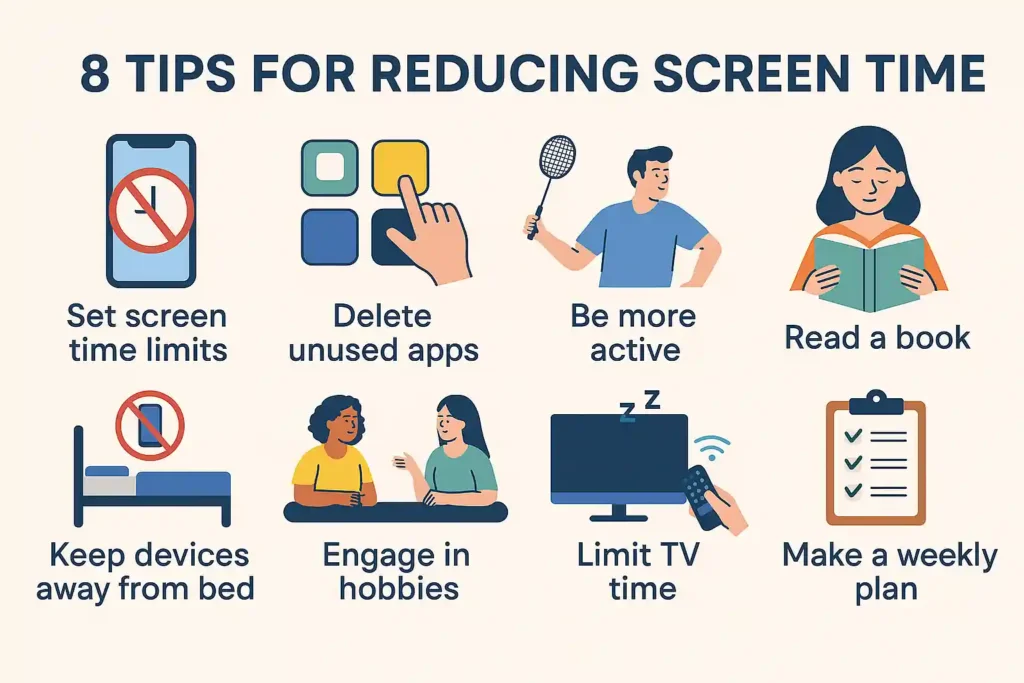

The study indicates that in today’s digital era, individuals frequently engage with social media, often without recognising its potential adverse effects on their mental health. With platforms like Instagram, TikTok, and WhatsApp dominating daily routines, users may overlook the time spent online. While social media provided crucial connectivity during the COVID-19 pandemic, experts are warning that excessive screen time could be detrimental.
Researchers from the Mental Health Research and Treatment Centre at Ruhr-Universität Bochum, led by Dr Julia Brailovskaia, have proposed a straightforward yet effective remedy: decrease social media usage and substitute it with physical activities. Their findings suggest that even a modest reduction of 30 minutes in daily social media time, which is redirected towards exercise, can considerably enhance mental well-being.
The research demonstrates that minor adjustments to lifestyle habits can yield long-term benefits, reinforcing the notion that small changes may foster significant improvements over time.
Details of the Research Study
The study involved 642 participants who were separated into four distinct groups. Each group was tasked with following a different regimen for a duration of two weeks. One group limited their social media time by 30 minutes daily, while another group augmented their physical activity by the same amount without altering their screen time. A third group implemented both strategies, and a control group made no modifications to their routine.
Throughout the study, participants provided feedback regarding their moods, stress levels, happiness, and overall life satisfaction. The data revealed that those who either reduced their social media use or increased their physical activity reported significant improvements in happiness and life satisfaction, along with reduced stress and lower instances of depression. Notably, the greatest enhancement was observed in the group that engaged in both activities.
This comprehensive analysis highlights the correlation between reduced social media consumption and improved mental health, emphasising that participants who adopted both habits realised the most substantial positive changes.
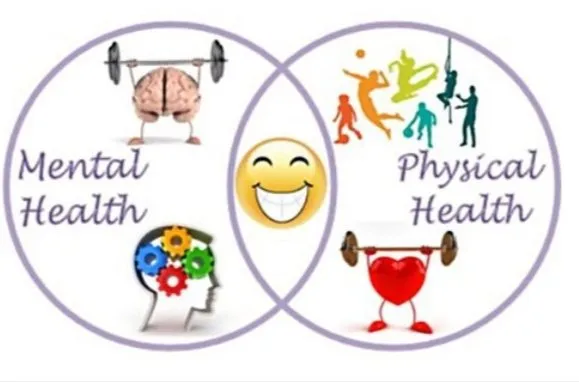
Consequences of Excessive Social Media Use
While social media can facilitate connectivity and offer entertainment, its excessive consumption often leads to negative consequences. Experts warn that high levels of engagement can foster addictive behaviours, causing users to feel reliant on continuous updates and notifications. Such dependence may heighten anxiety and insecurity, especially when individuals are frequently exposed to negative content and comparison with others.
During periods of isolation, social media served as a coping mechanism. However, prolonged use has contributed to increased stress and mental fatigue for numerous users, indicating a complex relationship between social media interaction and mental health.
The findings of the study underline the necessity of balancing online engagement with healthier lifestyle choices to mitigate these negative effects.