


Stalin Criticises PM Modi Following Women’s Reservation Bill Failure
The CSR Journal Magazine

The recent failure of the Women’s Reservation Bill has drawn significant attention in Indian political circles. The proposed legislation aimed to reserve one-third of seats in the Lok Sabha and state legislative assemblies for women, with the intention of increasing female representation in governance. This initiative was anticipated to be a pivotal advancement for gender equality in political representation.

Introduced in Parliament in 2023, the bill was originally conceived to amend the Constitution. Supporters hailed it as a landmark effort towards empowering women. However, its collapse has raised concerns about the dedication of the current government to address women’s issues. The bill’s inability to pass has left many advocating for women’s rights feeling disillusioned.

Reactions from Political Leaders

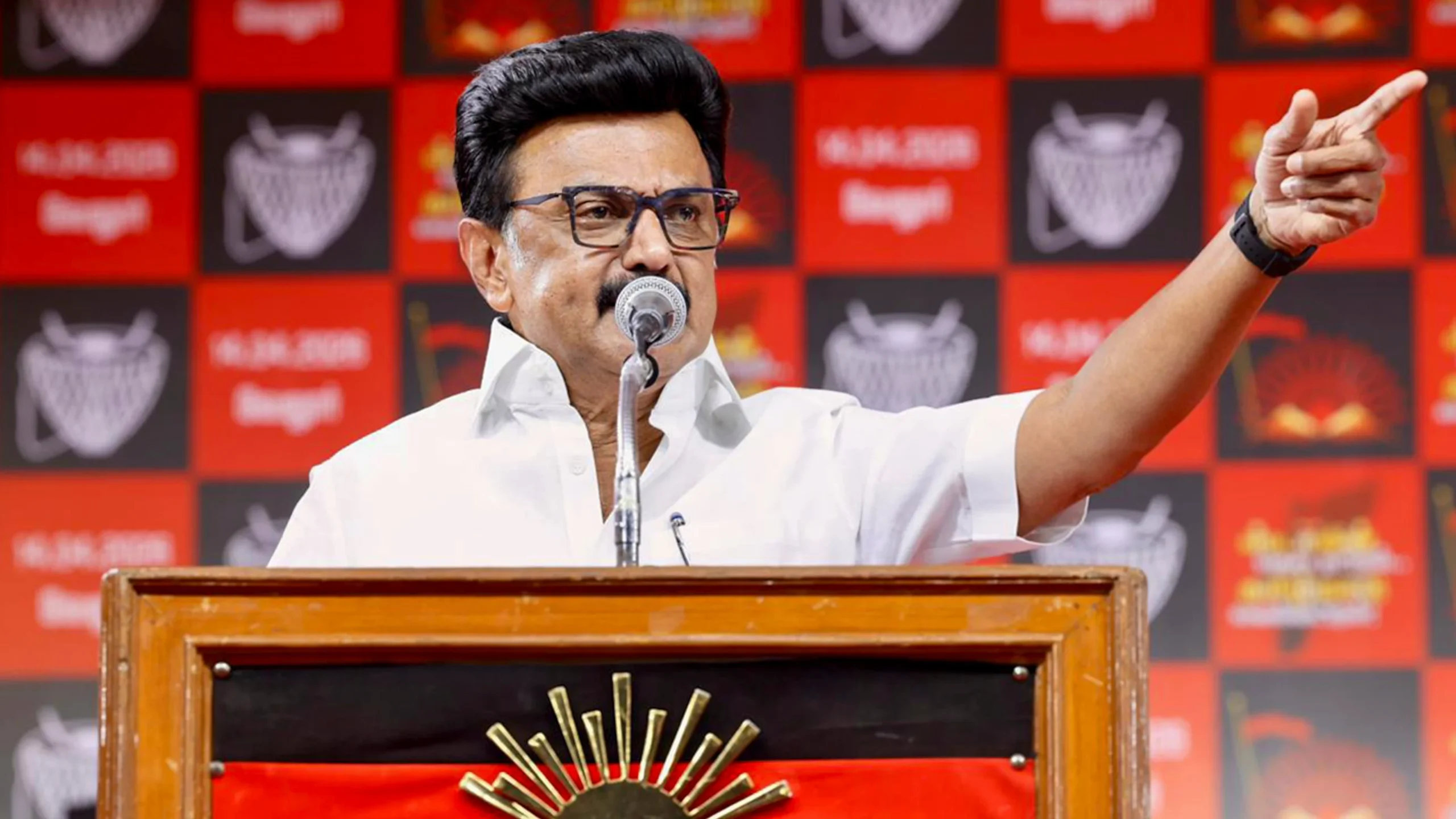
Following the unsuccessful attempt to pass the bill, Tamil Nadu Chief Minister M.K. Stalin expressed his discontent, alleging that the Prime Minister has suffered his “first defeat in 12 years.” Stalin accused the ruling party of failing to deliver on its promises regarding women’s empowerment. His remarks underline the frustration among opposition leaders related to the government’s approach to vital legislation.

Stalin’s comments reflect a broader sentiment among various political factions that the government has not prioritised gender issues adequately. Opposition parties have intensified their criticisms, arguing that the failure of the bill indicates a lack of commitment to improving women’s representation in the Indian political landscape. The incident has led to heightened political discourse around gender equality.

In response to the criticisms, government spokespersons have defended their commitment to women’s issues, highlighting various schemes initiated for women’s welfare and empowerment. However, critics maintain that legislative initiatives are necessary for lasting change and representation in politics.

Proposed Legislative Changes and Future Implications

The failure of the Women’s Reservation Bill has prompted various stakeholders to call for renewed discussions on how to achieve meaningful representation for women in Indian politics. Activists and political analysts have stressed the need for a more robust framework that does not solely rely on legislative measures but includes grassroots movements to foster women’s political participation.

With an election approaching, it remains to be seen how this political setback will influence party strategies and voter sentiments regarding gender issues. Political analysts suggest that the issue could become a focal point in campaigns, with parties attempting to leverage public sentiment surrounding women’s empowerment to attract voters.

The collapse of the Women’s Reservation Bill stands as a significant moment for Indian politics, with potential long-term consequences for how women’s representation is addressed. Stakeholders from various sectors are now navigating the implications of this failure as discussions on women’s rights continue to evolve within the political framework of the country.

Long or Short, get news the way you like. No ads. No redirections. Download Newspin and Stay Alert, The CSR Journal Mobile app, for fast, crisp, clean updates!

App Store –  https://apps.apple.com/in/app/newspin/id6746449540 

Google Play Store – https://play.google.com/store/apps/details?id=com.inventifweb.newspin&pcampaignid=web_share

Latest News

Popular Videos
