


Sam Altman Warns AI Could Displace Jobs but Create New Opportunities in Evolving Roles
The CSR Journal Magazine

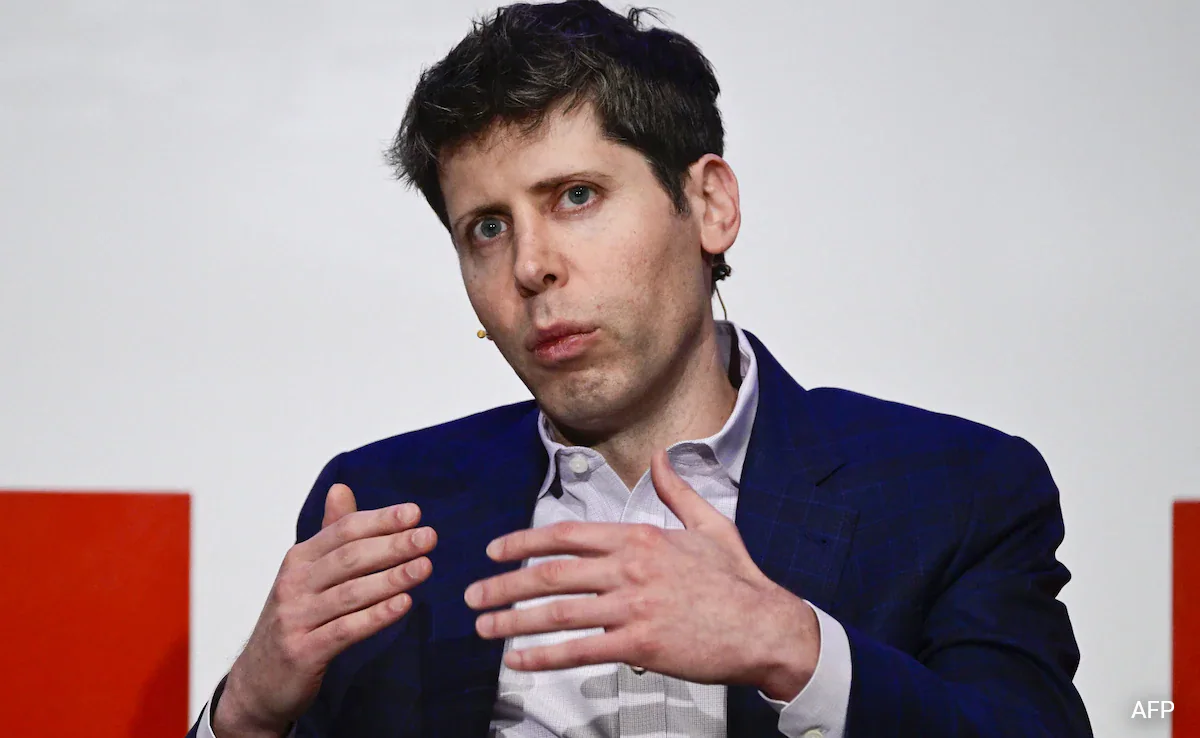
OpenAI’s CEO, Sam Altman, has publicly acknowledged the possibility that numerous jobs may vanish due to advancements in artificial intelligence (AI). Despite this potential loss, he maintains that the future could present opportunities for greater fulfilment and various new forms of employment. Altman’s statements, made in a viral thread on social media platform X, reflect the growing public concern regarding the rapid replacement of workers by AI technologies.

In his remarks, Altman emphasised that OpenAI’s primary goal is to enhance human capabilities rather than create systems that eliminate the need for human workers. He articulated, “We want to build tools to augment and elevate people, not entities to replace them,” urging a focus on collaboration between humans and AI.

Job Displacement and New Opportunities

Amid fears surrounding job security in an AI-driven economy, Altman proposed that many individuals could, in fact, find themselves busier than before, rather than jobless. He suggested that the nature of work will evolve, potentially leading to roles that are unfamiliar today. Furthermore, he pointed out that the long-standing fear of permanent job losses may be exaggerated, stating, “Jobs doomerism is likely long-term wrong.”

Responding to a user’s reference to his earlier comments on potential job losses, Altman reaffirmed his position, saying, “Many current jobs will go away. I think we will find a lot of new ones, though they may look very different.” This candid admission marked one of the clearest acknowledgements from a leading figure in AI of the potential for job displacement in the coming years.

Altman also envisioned a future wherein individuals seeking meaningful work experiences could find opportunities that satisfy their aspirations, while those preferring a less intense work lifestyle could still lead fulfilling and prosperous lives. However, he did not elaborate on the practical implementation of such a system or the policies required to support this vision.

Job Security in the AI Era

Although Altman did not specify which jobs might be less vulnerable to AI, recent research from Anthropic offers insights into areas where human skills will likely prevail. The study reveals that several professions remain less susceptible to AI due to factors requiring physical presence, hands-on expertise, real-world judgement, or interpersonal interactions. Fields such as agriculture, construction, repair services, transportation, personal care, and food services stand out as areas with relatively low AI exposure.

For instance, farming activities like tree pruning and machinery operation pose significant challenges for current AI systems. Similarly, legal positions involving courtroom representation are currently beyond the capabilities of existing language models. On the other hand, certain office roles, especially those in digital settings, are increasingly integrating AI technologies.

Anthropic’s study identified computer programming as one of the most affected careers, with a significant portion of tasks being automated. Customer service roles and data entry jobs are similarly witnessing a surge in automation. Nevertheless, the research concluded that large-scale unemployment directly attributed to AI has not yet materialised. Instead, adjustments appear to be occurring gradually, characterised by reduced hiring rates, fewer entry-level opportunities, and the automation of repetitive tasks.

Long or Short, get news the way you like. No ads. No redirections. Download Newspin and Stay Alert, The CSR Journal Mobile app, for fast, crisp, clean updates!

App Store –  https://apps.apple.com/in/app/newspin/id6746449540 

Google Play Store – https://play.google.com/store/apps/details?id=com.inventifweb.newspin&pcampaignid=web_share

Latest News

Popular Videos
