


Rising Sugar Prices: How Much Sugar Does 100 Kg of Sugarcane Produce?
The CSR Journal Magazine

The rising cost of sugar has recently drawn consumers’ attention to the production process involved in its making. Currently, sugar prices have reached approximately Rs 65 per kg in various urban centres, leading to increased curiosity about how much sugar can be derived from a specific amount of sugarcane.

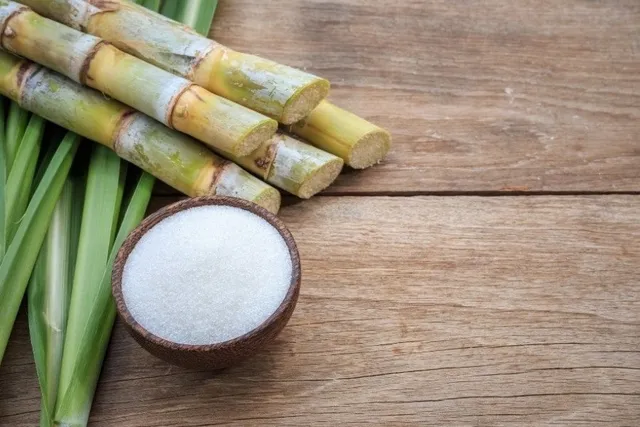
A common inquiry revolves around the output of sugar from 100 kg of sugarcane. On average, it is reported that about 9 to 10 kg of sugar can be produced from this quantity of cane. This indicates that approximately 10 kg of sugarcane is required to yield 1 kg of sugar, although variations may occur depending on several factors.

One notable aspect affecting sugar production is the quality of the sugarcane and the efficiency of the milling process. According to data from the ICAR-Indian Institute of Sugarcane Research, India’s average sugar recovery rate for the season 2023-24 is estimated to be around 10.3 per cent.

Exploring the Concept of Sugar Recovery

Sugar recovery is defined as the quantity of sugar that a milling facility can extract from a defined weight of sugarcane. Various elements influence this rate, including the variety of sugarcane, its inherent sugar content, and the overall quality of the cane.

Higher quality sugarcane typically results in improved sugar recovery rates. Consequently, better milling practices and superior cane varieties can facilitate the extraction of more sugar from the same amount of cane. Conversely, lower recovery rates necessitate larger amounts of sugarcane to generate 1 kg of sugar.

The average recovery rate, while useful for calculations, can fluctuate between different batches of sugarcane. Therefore, it is crucial for both consumers and producers to understand that these figures are not always constant, as variances can significantly impact sugar yields.

Utilisation of By-Products from Sugarcane

The extraction process, which yields merely 9 to 10 kg of sugar from 100 kg of sugarcane, raises questions about the fate of the remaining cane. It is essential to note that the by-products generated during sugar extraction are not simply discarded.

After juice extraction, the fibrous residue known as bagasse remains. This material has practical applications, as sugar mills often utilise it as a biomass fuel and for generating electricity, making it an integral part of the sugar production process.

Another significant by-product is molasses, which has various uses in food production and the manufacturing of alcoholic beverages among other applications. Hence, while the majority of sugarcane does not convert into crystallised sugar, it continues to serve valuable purposes beyond sugar production.

Long or Short, get news the way you like. No ads. No redirections. Download Newspin and Stay Alert, The CSR Journal Mobile app, for fast, crisp, clean updates!

App Store –  https://apps.apple.com/in/app/newspin/id6746449540 

Google Play Store – https://play.google.com/store/apps/details?id=com.inventifweb.newspin&pcampaignid=web_share

Latest News

Popular Videos
