


Red Cross Warns DRC Ebola Outbreak Could Persist Another Year Amid Rising Death Toll
The CSR Journal Magazine

The Red Cross has cautioned that the Ebola epidemic in the eastern Democratic Republic of the Congo (DRC) is not yet at its peak and may continue intensifying for an additional year. Bruno Michon, the operations manager for the International Federation of Red Cross and Red Crescent Societies, communicated this warning in a press conference held on 16 June 2026 via videolink from eastern DRC. He expressed significant concern over the current situation, noting, “The peak is, I think, not behind us, but in front of us.”

Extent of Infection

The outbreak, which involves the rare Bundibugyo strain of the virus, has resulted in 192 fatalities thus far. Public health officials have reported that the disease is rapidly spreading across three provinces in the region. Michon highlighted the complexities facing response teams, underscoring their challenges in accurately assessing the outbreak’s scale. He remarked that understanding the epidemic’s reach is “very difficult” and echoed the sentiments of other health officials regarding the unpredictable nature of the virus.

Compounding the situation, health professionals from organisations such as Doctors Without Borders (MSF) have raised similar concerns. Kate White, the emergency medical coordinator for MSF, stated, “No one knows the true scale or exactly where the disease is spreading in DRC.” This statement reinforces the urgency for better data collection and response mechanisms within the afflicted areas.

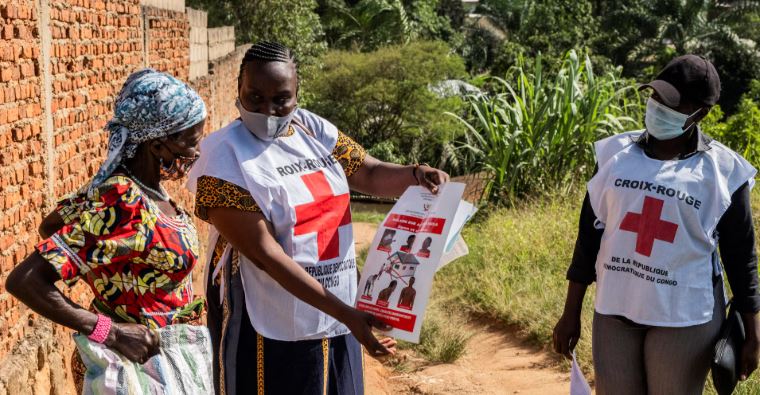
According to Michon, the Red Cross and Red Crescent teams are engaged in community outreach and managing safe burials for Ebola victims. However, he noted an alarming rise in hostility towards these teams, which have faced verbal abuse, threats, and even physical attacks. Michon affirmed the necessity of earning community trust, stating, “Building trust takes time. It requires honesty, patience, and humility, but in this outbreak, it is not optional; it is life-saving.”

Challenges in Data Collection

The public health landscape in the DRC is further complicated by issues related to data harmonisation. An anonymous senior Congolese public health official shared insights with Reuters about the difficulties in accurately tracking the virus’s spread. Various sources, including laboratories, hospitals, and epidemiological teams, often produce conflicting data, resulting in inaccuracies regarding the actual number of cases. This fragmentation hampers the overall response to the outbreak.

The official pointed out that some cases may be double-counted due to patients traversing health zones and undergoing multiple tests. Conversely, there are individuals who succumb to the illness in their communities without being recorded by health authorities. The official speculated that the virus might have started circulating as early as February, further complicating efforts to manage the outbreak effectively.

In light of these challenges, officials continue to stress the importance of establishing reliable testing protocols and improving data collection to better inform public health responses. A unified approach and comprehensive strategies are seen as critical components in combating the ongoing epidemic. It is evident that without these measures, the situation in the DRC could deteriorate further.

Long or Short, get news the way you like. No ads. No redirections. Download Newspin and Stay Alert, The CSR Journal Mobile app, for fast, crisp, clean updates!

App Store –  https://apps.apple.com/in/app/newspin/id6746449540 

Google Play Store – https://play.google.com/store/apps/details?id=com.inventifweb.newspin&pcampaignid=web_share

Latest News

Popular Videos
