


Pakistan, Qatar Announce Lebanon De-Confliction Cell After US-Iran Talks
The CSR Journal Magazine

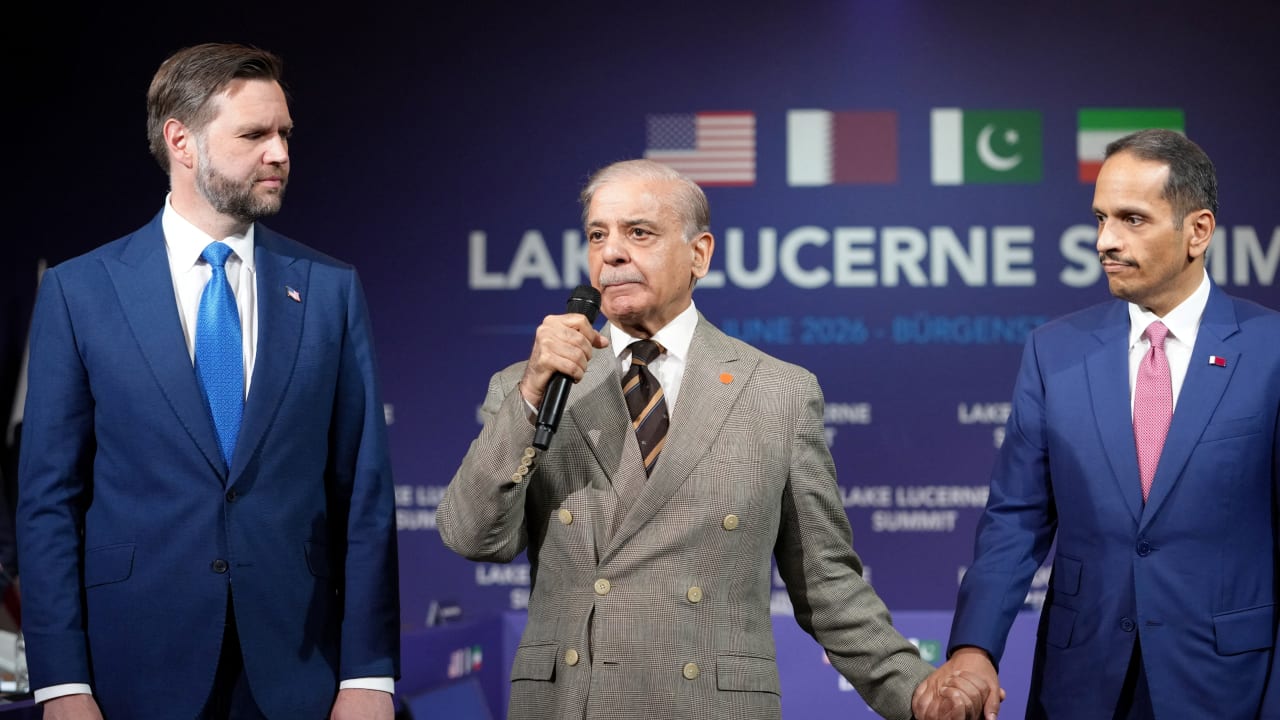
The first round of high-level talks between the United States and Iran aimed at ending the ongoing conflict concluded in Switzerland early on Monday, with both sides agreeing to establish a “de-confliction cell” focused on Lebanon. Pakistan and Qatar, which mediated the discussions, said the mechanism would also involve the Lebanese government and seek to ensure compliance with the cessation of military operations in the country.

The talks marked the beginning of a 60-day diplomatic effort, although the situation in Lebanon emerged as a major obstacle. Iran tied progress in negotiations to an end to hostilities there, while Israel maintained that it would continue occupying Lebanese territory and retain the ability to strike militants launching attacks into northern Israel.

Pakistan and Qatar Confirm New Lebanon Mechanism

Pakistan, Qatar and Iran confirmed the conclusion of the opening round of talks, while the United States had yet to issue an official statement on the outcome.

Iranian Foreign Minister Abbas Araghchi said on X that “Tireless Pakistani and Qatari mediation has delivered major progress to end the Lebanon War.”

He added that the first “real test” of the diplomatic process would be whether the newly created de-confliction cell succeeded in bringing an end to the fighting in Lebanon.

It remained uncertain whether the arrangement would be sufficient to halt clashes between Hezbollah, the Iran-backed armed group, and Israel.

Tense Opening Marked by Trump-Iran Exchanges

The negotiations began under strained circumstances on Sunday after US President Donald Trump warned Iran over the conflict in Lebanon and criticised remarks made by Iranian leaders.

“Iran must immediately stop their highly paid PROXIES in Lebanon from causing trouble,” Trump wrote on social media. “If they don’t, we’ll hit Iran very hard again, just like we did last week, only harder!!!”

Iran’s lead negotiator Mohammad Bagher Qalibaf responded on X, saying: “They would do better to be careful about their statements. Our armed forces are prepared to respond to them in a different manner. They may keep talking, it is we who act.”

US Vice President J D Vance, accompanied by negotiators Steve Witkoff and Jared Kushner, held an approximately 80-minute meeting with Qalibaf and Araghchi, according to Iranian state media.

Pakistan and Qatar later announced that lower-level technical discussions would continue in Switzerland throughout the week, with the aim of preparing agreements for approval by senior officials.

Nuclear Issue and Strait of Hormuz Also Discussed

A senior US diplomat involved in the negotiations, speaking on condition of anonymity, said the discussions also focused on recent Iranian statements regarding the Strait of Hormuz.

According to the diplomat, negotiators examined “mechanisms” aimed at ensuring the strategic waterway remained open and that a ceasefire in southern Lebanon was enforced. The two sides also held “robust” discussions concerning Iran’s nuclear programme.

Addressing the talks as they opened, Vance said, “The question before us now is how much more can we accomplish together? Can we turn over a new leaf?”

He also asked whether the two countries could “change relations in the Middle East permanently.”

Washington wants Tehran to remain engaged in negotiations over its nuclear programme amid concerns that it could have military applications, allegations that Iran has consistently denied.

Ceasefire Appears to Hold as Diplomacy Continues

Iran maintained that it had once again closed the Strait of Hormuz over the weekend, a critical passage for global energy supplies, although the United States said shipping traffic through the route continued. Vance has sought assurances from Tehran that the strait would remain open.

Meanwhile, a ceasefire in Lebanon brokered on Saturday appeared to be holding. Israel’s military said movement restrictions for residents living near the Lebanese border would be lifted on Monday morning.

However, neither Israel nor Hezbollah is a party to the agreement reached between Washington and Tehran. Israeli Prime Minister Benjamin Netanyahu has said Israeli forces will remain in southern Lebanon until all threats are eliminated, while Hezbollah has insisted that attacks will not stop unless Israel commits to withdrawing.

With the first round of high-level diplomacy now concluded, technical talks are set to continue in Switzerland, while the future of Lebanon, the Strait of Hormuz and Iran’s nuclear programme remain central to the broader 60-day diplomatic effort.

Long or Short, get news the way you like. No ads. No redirections. Download Newspin and Stay Alert, The CSR Journal Mobile app, for fast, crisp, clean updates!

App Store –  https://apps.apple.com/in/app/newspin/id6746449540 

Google Play Store – https://play.google.com/store/apps/details?id=com.inventifweb.newspin&pcampaignid=web_share

Latest News

Popular Videos
