


Buchi Babu Sana Responds to Criticism of Janhvi Kapoor’s Role in Peddi, Promises Improvements
The CSR Journal Magazine

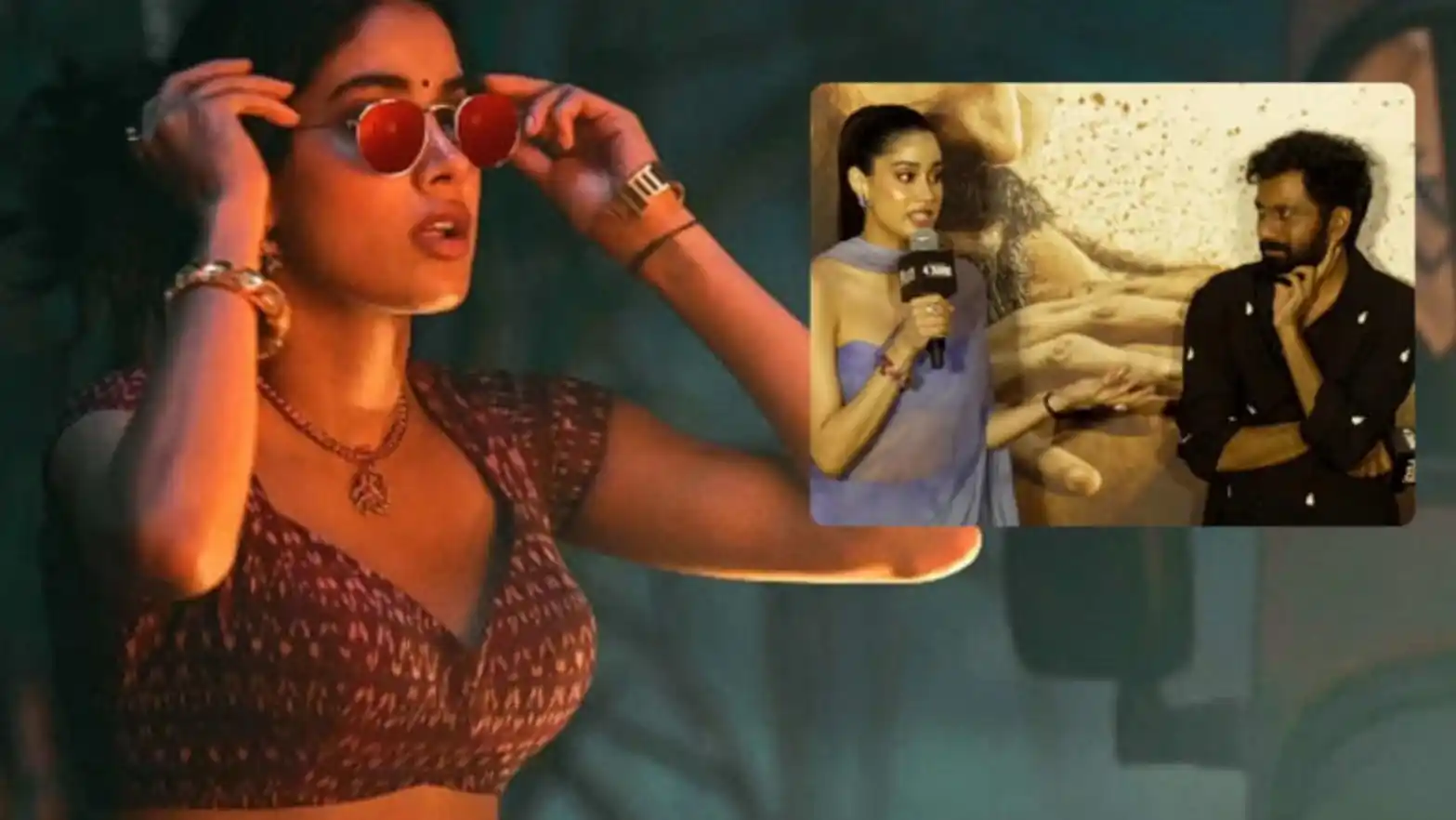
The director of the film Peddi, Buchi Babu Sana, has reacted to criticism stemming from the depiction of Janhvi Kapoor’s character, Achiyyamma. He expressed surprise at the strong backlash regarding certain scenes in the film, which he stated did not resonate as he had anticipated. In his conversation with SCREEN, Buchi remarked that he had not foreseen the negative perception audiences would have towards these segments.

In discussing the film’s narrative, Buchi emphasised that his intention was to portray a light-hearted romance between Ram Charan and Janhvi Kapoor. The criticism has prompted him to reconsider his approach to crafting female characters in future projects, acknowledging the need for more thoughtful representation. He advised that the next films would embody better standards regarding female portrayals.

Criticism of Achiyyamma’s Portrayal

The critical response primarily targeted the romantic storyline involving Kapoor’s character, Achiyyamma. Observers stated that her introduction and the development of her relationship within the film raised substantial concerns. The initial scenes portrayed Achiyyamma through a suggestive lens, focusing on her physical appearance for an extended period before revealing her facial features.

As the narrative unfolds, the protagonist conveys to his peers an intention to touch Achiyyamma without her consent, invading her personal space and eventually acting on his intent. This scene escalates when he is slapped by Achiyyamma, after which he claims his behaviour was a demonstration of affection. The conclusion of this story arc sees her romantically reciprocating without any consequence for his actions.

Reactions from audiences highlighted a perception that the film trivialised issues of consent and normalised harassment, presenting an unsettling depiction of romance. Critics argued that the dynamics depicted suggested women’s resistance should be viewed as an obstacle rather than a boundary that must be respected, igniting broader conversations well beyond the immediate Telugu film audience.

Director’s Commitment to Change

Buchi’s statements reflect an understanding of the audience’s concerns and a promise to reconsider the portrayal of female characters in his future works. By admitting his initial misjudgement regarding audience reception, he conveyed a willingness to adapt and learn from the feedback received. This acknowledgement paves the way for discussions on the evolution of storytelling in Indian cinema, particularly concerning gender dynamics.

As the dialogue around Peddi continues to unfold, the considerations surrounding its romantic elements remain a focal point for scrutiny. Buchi’s intention to foster a respectful and accurate representation of female characters moving forward is a commitment that may influence how romantic storylines are approached in subsequent films.

The film, set against the backdrop of the Vizianagaram district in Andhra Pradesh, combines elements of sports with themes of identity and recognition, framing its narrative around nameless villages. The journey of Ram Charan’s character, a cricketer-for-hire, serves as the emotional backbone of the story. Although the second half of Peddi has been met with approval, early reactions denote considerable dissatisfaction with its initial romantic tracks.

Long or Short, get news the way you like. No ads. No redirections. Download Newspin and Stay Alert, The CSR Journal Mobile app, for fast, crisp, clean updates!

App Store –  https://apps.apple.com/in/app/newspin/id6746449540 

Google Play Store – https://play.google.com/store/apps/details?id=com.inventifweb.newspin&pcampaignid=web_share

Latest News

Popular Videos
