


Netherlands Returns Chola-Era Copper Plates to India Amid PM Modi’s Visit
The CSR Journal Magazine

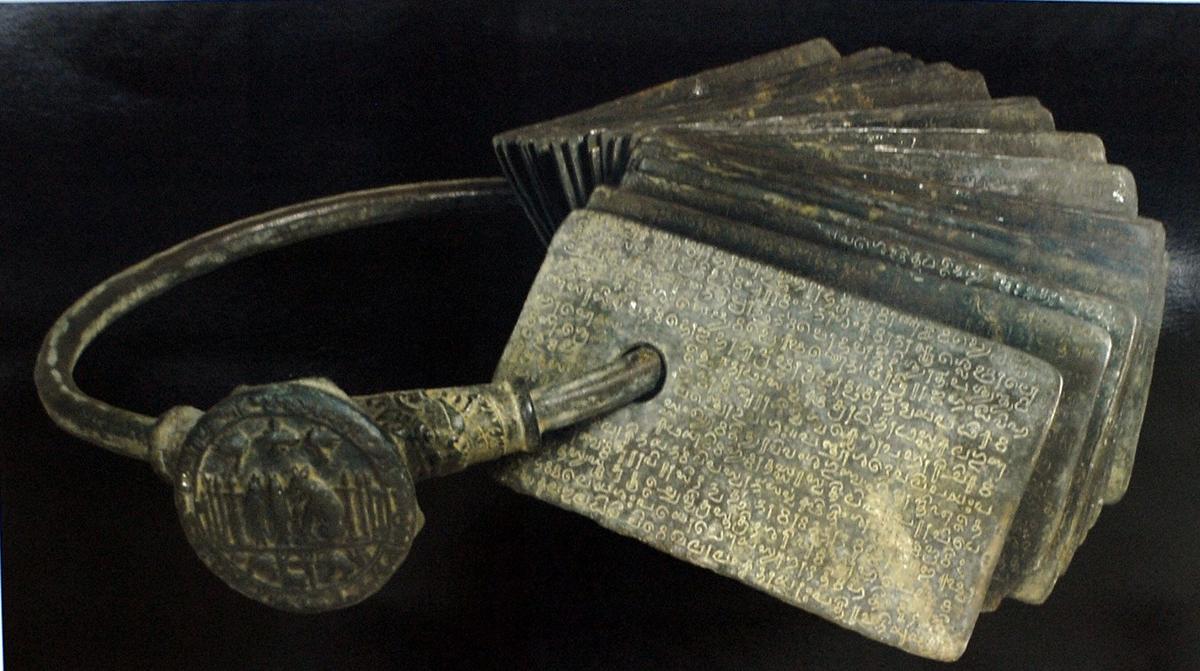
The Netherlands has officially returned the Anaimangalam copper plates, significant relics from the Chola dynasty, to India. This event coincided with Prime Minister Narendra Modi’s ongoing five-nation tour. The copper plates, dating back to the 11th century, are among the oldest and most important surviving records from this historic Indian dynasty.

This repatriation marks a significant achievement for India in its efforts to reclaim artefacts taken during colonial times. The process of returning the plates involved extensive diplomatic discussions between officials from India, the Dutch government, and Leiden University, where these artefacts had been housed for over a century.

Historical Significance of the Copper Plates

Historians highlight that these inscriptions offer valuable insights into the cultural and maritime connections between South India and Southeast Asia during the Chola dynasty. They showcase a period marked by religious pluralism and exchange, further evidenced by the support that Hindu rulers extended to Buddhist institutions. This reflects a historical tradition of religious coexistence in India.

Moreover, the Chola era facilitated broader cultural exchanges, providing links to prominent figures such as Dipankara Srijana, who travelled to Indonesia, and Chinese pilgrims, who often stopped in Southeast Asia en route to India. The plates serve not just as administrative documents but also as reflections of a dynamic and interconnected medieval world.

The Journey of the Artefacts to the Netherlands

The Anaimangalam copper plates were removed from India during the 18th century when the Dutch established colonial rule along the Coromandel Coast. It is believed that they were acquired by Dutch official Florentius Camper through a Christian missionary during a period when Nagapattinam was under the control of the Dutch East India Company. This acquisition occurred after the company’s headquarters shifted to Nagapattinam in 1690.

In 1862, the plates became part of the collection at Leiden University after they were obtained from the estate of Professor Hendrik Arent Hamaker. For many years, these artefacts were preserved in secure locations and primarily made accessible to researchers via special requests. They garnered attention from historians and Tamil epigraphists and also became notable in cultural works, such as the Tamil historical novel “Ponniyin Selvan,” set in the Chola period.

The long-standing efforts by India to retrieve these plates culminated in a breakthrough after the Netherlands established a formal restitution policy for colonial-era artefacts in 2022. Research conducted by the Independent Colonial Collections Committee and Leiden University Libraries ultimately led to the decision to repatriate the inscriptions, emphasising their importance to India’s cultural heritage.

A Milestone in Cultural Cooperation

The return of the Anaimangalam copper plates has been recognised as a significant milestone in cultural collaboration between India and the Netherlands. It serves not only as a key moment in the restitution of artefacts but also as a symbolic act to reclaim an integral aspect of India’s civilisational narrative. This event is seen as a positive step towards addressing historical injustices associated with colonialism and enhancing bilateral relations.

Long or Short, get news the way you like. No ads. No redirections. Download Newspin and Stay Alert, The CSR Journal Mobile app, for fast, crisp, clean updates!

App Store –  https://apps.apple.com/in/app/newspin/id6746449540 

Google Play Store – https://play.google.com/store/apps/details?id=com.inventifweb.newspin&pcampaignid=web_share

Latest News

Popular Videos
