


Nepal Strengthens Climate Diplomacy After Fatal Bhotekoshi Floods
The CSR Journal Magazine

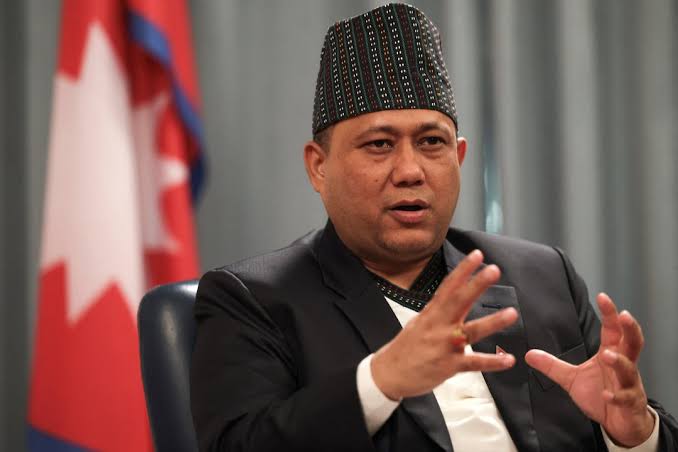
Nepal is focusing on strengthening its institutions and enhancing diplomatic strategies in response to climate-induced disasters, according to Foreign Minister Shisir Khanal. This remark was made during a meeting of the International Relations and Tourism Committee of the House of Representatives on Thursday.

The government is actively reassessing its strategies following the devastating Bhotekoshi floods, which occurred on August 26, contributing to the ongoing dialogue about the impact of climate change on national development. Khanal designated climate change mitigation as a significant government priority, asserting that the recent floods have prompted critical reflections on Nepal’s development trajectory.

The foreign minister indicated that traditional methods may no longer suffice in tackling the environmental challenges that the country faces. He described the floods as a “Himalayan tsunami” which raised fundamental questions about the nation’s prosperity and infrastructure development.

Impact of the Bhotekoshi Floods

The flash floods, caused by an ice-rock avalanche near the Nepal-Tibet border, have resulted in tragic consequences. More than 1,400 individuals lost their lives, while over 6,000 are reported missing. The disaster severely affected numerous towns and villages across northern and central Nepal, underscoring the urgent need for effective disaster management strategies.

“Khanal stated that the floods have had a detrimental effect on the development achievements of the past 25 years, prompting a reevaluation of what prosperity means for Nepal. He emphasised that critical sectors such as river corridors, human settlement development, and hydropower projects are vulnerable to the impacts of climate change, necessitating a departure from conventional responses.”

Furthermore, Khanal urged a comprehensive government approach to disaster management, suggesting that responsibility should not rest solely with one ministry or that the crisis should be treated as an isolated incident. He highlighted the importance of scientific data and evidence-based advocacy in enhancing Nepal’s stance in international discussions on climate change.

Future Diplomatic Engagements

The Foreign Minister noted that the upcoming United Nations General Assembly (UNGA) presents an opportunity for Nepal to engage in bilateral and multilateral dialogues concerning climate change. He expressed the belief that the country should broaden its climate agenda, moving beyond immediate agreements and focusing on longer-term objectives. Khanal reiterated the importance of developing partnerships with friendly nations and the global community to facilitate post-disaster recovery.

He confirmed that the government plans to complete a post-disaster needs assessment before seeking international assistance. Khanal believes that promoting a global campaign for Nepal could create a favourable atmosphere for recovery efforts. He further indicated that while discussions on climate diplomacy are commonplace, the institutional role of the Foreign Ministry concerning climate change remains underdeveloped.

In conclusion, he stated that Nepal must integrate stronger institutional frameworks, scientific expertise, extensive diplomatic endeavours, and coordinated governmental actions to effectively address climate-influenced disasters. Emphasising collaboration, Khanal’s remarks encapsulate the need for a united front in tackling the pressing challenges posed by climate change in Nepal.

Long or Short, get news the way you like. No ads. No redirections. Download Newspin and Stay Alert, The CSR Journal Mobile app, for fast, crisp, clean updates!

App Store –  https://apps.apple.com/in/app/newspin/id6746449540 

Google Play Store – https://play.google.com/store/apps/details?id=com.inventifweb.newspin&pcampaignid=web_share

Latest News

Popular Videos
