


Nepal PM Shah Scheduled to Answer Questions in Parliament Over Territorial Remarks
The CSR Journal Magazine

Nepal’s Prime Minister Balendra Shah is set to appear before the House of Representatives on August 26 to respond to inquiries from lawmakers. This session, announced by Speaker Dol Prasad Aryal on Monday, follows mounting pressure from opposition parties regarding statements Shah made in May. During a parliamentary meeting on May 31, he claimed that Nepal had allegedly encroached on Indian territory.

Aryal confirmed that the direct question-and-answer session with the Prime Minister is structured under Chapter 9 of the House of Representatives Rules, 2026. He stated that members from various parties would have the opportunity to pose questions, urging them to keep their inquiries concise. The importance of this session is underscored by the significant attention the Prime Minister’s earlier remarks have garnered within parliamentary discussions.

Opposition Demands Clarification on May Remarks

In recent weeks, opposition lawmakers have been increasingly vocal regarding Shah’s comments made during his inaugural parliamentary speech. They are demanding that he either substantiate his claims about territorial encroachments with evidence or retract his statement. The need for accountability and clarity has been emphasised, as these remarks touch on sensitive matters pertaining to national sovereignty.

Sources from the Parliament secretariat indicated that Aryal instructed Shah to address questions linked to his statements and to issues within his delegated authority. The directive was issued in response to ongoing protests from Honourable Members who have expressed their concerns regarding the Prime Minister’s accountability on such critical issues, highlighting the necessity for clarity in governance.

Nepal’s Foreign Ministry subsequently attempted to clarify Shah’s earlier comments, stating that they pertain specifically to “no-man’s land encroachments” and “cross-border occupation” rather than official territorial claims. This distinction has been met with mixed reactions, as the historical context of Nepal-India territorial disputes remains a contentious topic.

Historical Context of Nepal-India Territorial Dispute

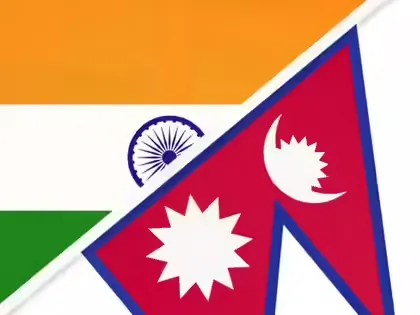
The relationship between Nepal and India has historically been complicated, marked by a longstanding boundary dispute involving regions such as Lipulekh, Limpiyadhura, and Kalapani. Both nations assert claims over these areas, with India maintaining that they are part of its Uttarakhand state. The dispute has implications for national identity and regional security, necessitating careful dialogue between the two nations.

India has consistently advocated for resolving this matter through bilateral dialogue. The August 26 session in the House of Representatives will allow lawmakers from all parties to question Prime Minister Shah, thereby facilitating a broader discussion on the implications of his earlier statement and other matters relevant to his leadership.

With the session approaching, the political atmosphere in Nepal is charged with anticipation as citizens and lawmakers alike seek clarity on the Prime Minister’s controversial remarks. As the country navigates complex diplomatic challenges, this parliamentary meeting could serve as a pivotal moment for addressing issues of national interest and foreign relations.

Long or Short, get news the way you like. No ads. No redirections. Download Newspin and Stay Alert, The CSR Journal Mobile app, for fast, crisp, clean updates!

App Store –  https://apps.apple.com/in/app/newspin/id6746449540 

Google Play Store – https://play.google.com/store/apps/details?id=com.inventifweb.newspin&pcampaignid=web_share

Latest News

Popular Videos
