


Nepal Enacts Safety Protocol for Journalists in Flood Areas
The CSR Journal Magazine

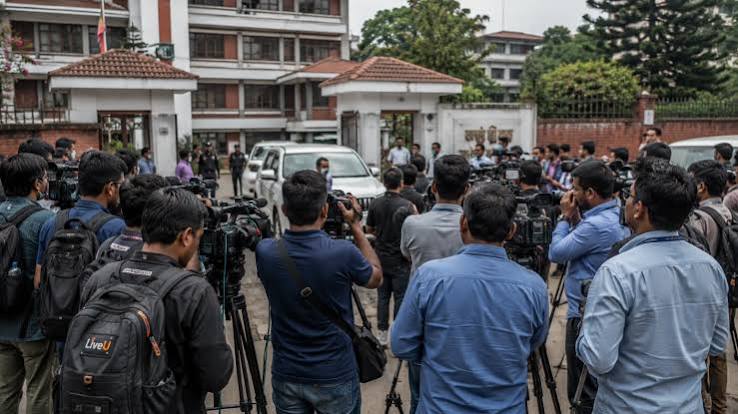
Nepal has implemented a media safety and operational protocol aimed at journalists travelling to regions impacted by the floods on August 26. This initiative responds to the severe devastation caused by flash floods, linked to an ice-rock avalanche near the Nepal-Tibet border, which has resulted in a significant loss of life and property. Reports indicate that over 1,300 individuals have lost their lives, with approximately 5,000 people currently unaccounted for.

The National Disaster Risk Reduction and Management Authority announced that the Ministry of Information and Communication would oversee the enforcement of this protocol. The floods heavily affected towns and villages in the northern and central parts of Nepal, primarily as the Bhotekoshi River, which originates from the Himalayan region, carried torrential waters downstream, obliterating homes, vehicles, roads, bridges, and damaging vital hydropower infrastructures.

The protocol has been designated for immediate action and outlines specific requirements for journalists who intend to cover the situation. These include the necessity for valid press identification, adherence to safety directives from security and rescue officials, compliance with designated routes, and follow-through on evacuation orders when applicable.

Restrictions and Regulations for Journalists

The newly established guidelines strictly prohibit journalists from entering active rescue zones without prior permission. They are also instructed not to impede rescue operations or enter areas marked as off-limits. Furthermore, journalists must remain within Nepal and cannot cross the international border unless authorised by security personnel.

In addition to these directives, the Nepalese Department of Information and Broadcasting issued a separate notification mandating that foreign journalists wishing to report from flood-hit areas must apply for a Press Accreditation and Journalist Identity Card through an online portal. This notice was published on September 3, indicating the government’s urgency in regulating media coverage in these challenging circumstances.

Foreign journalists are required to provide several documents as part of their application process. These include a copy of a valid visa or entry permit, a recommendation from their employing media organisation directed to the Department of Information and Broadcasting, and an endorsement from their respective country’s embassy, consulate office, or foreign ministry.

Media Accreditation Validity and Implementation

The Press Accreditation and Journalist Identity Card issued by the Nepalese authorities will be valid for a duration of 15 days. This measure ensures that all foreign journalists are registered and can be transparently tracked while they report from the affected regions along the Bhotekoshi and Trishuli rivers.

The overarching goal of these protocols and accreditation requirements is to maintain safety and order in areas that have experienced catastrophic floods. Nepal is prioritising the welfare of both journalists and affected communities as they navigate the aftermath of this natural disaster.

The establishment of these rules reflects a broader strategy to ensure that media operations are conducted responsibly and do not interfere with ongoing rescue efforts. As the situation unfolds, it remains crucial for journalists to adhere to these protocols to ensure not only their own safety but also the safety of those involved in rescue operations.

Long or Short, get news the way you like. No ads. No redirections. Download Newspin and Stay Alert, The CSR Journal Mobile app, for fast, crisp, clean updates!

App Store –  https://apps.apple.com/in/app/newspin/id6746449540 

Google Play Store – https://play.google.com/store/apps/details?id=com.inventifweb.newspin&pcampaignid=web_share

Latest News

Popular Videos
