


Philippines’ Mayon Volcano Erupts, Ash Plumes Rise to 3-Km High
The CSR Journal Magazine

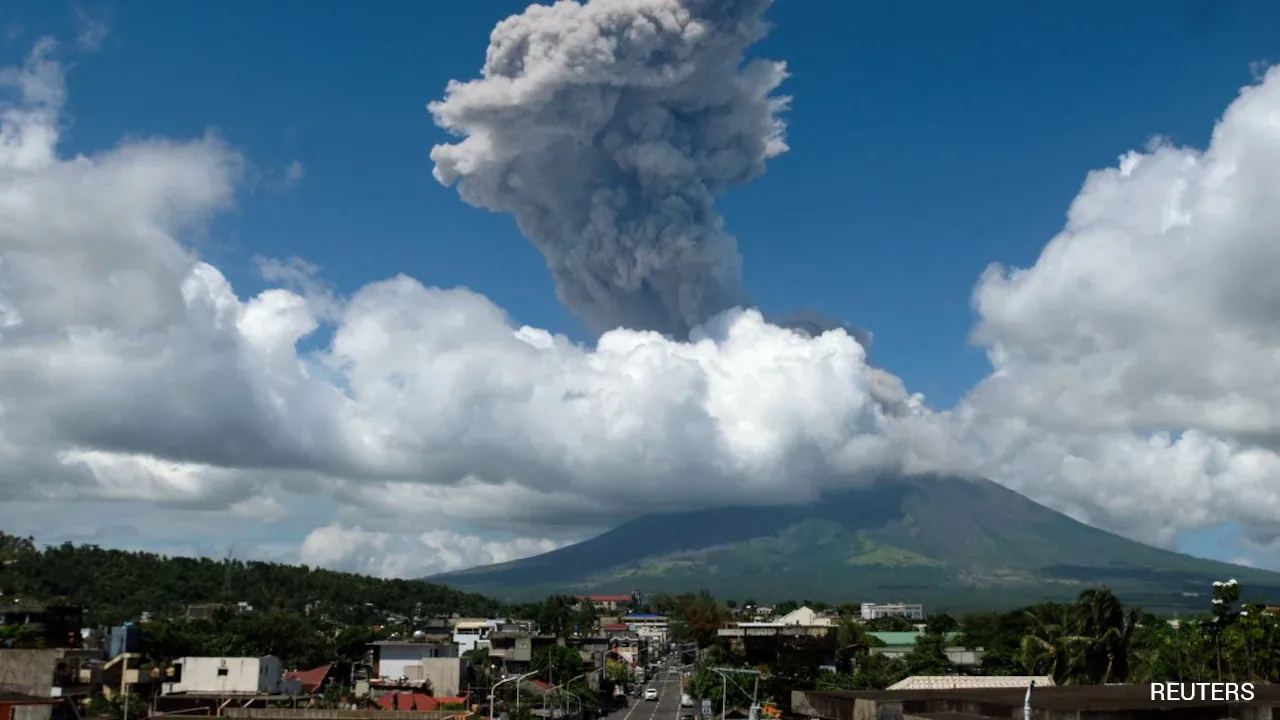
The recent eruption of Mayon Volcano in the Philippines sent a significant column of ash into the atmosphere on Friday, marking a moderately explosive event that lasted for nearly six minutes. According to the state seismology office, the ash plume reached an impressive height of approximately 3,000 metres. This eruption has prompted heightened concerns among local authorities and residents in surrounding areas.

In response to the eruption, the Philippine Institute of Volcanology and Seismology raised the alert level from 2 to 3 on its scale, which ranges from 0 to 5. This increase in alert status indicates a greater risk of volcanic activity and has led to calls for evacuations within a six-kilometre radius of the volcano’s crater. As of now, there have been no immediate reports of casualties or significant damage in nearby towns and cities.

The ash plume from Mayon Volcano has reportedly drifted southwest, affecting local population centres. The institute has warned that the volcano is entering a new phase of magmatic eruption, which raises the likelihood of lava flows and hazardous pyroclastic density currents (PDCs) in the coming days to weeks.

Evacuations and Safety Measures

Mayon Volcano, standing at 2,462 metres, is located approximately 330 kilometres southeast of Manila. It is renowned for its near-perfect conical shape and is one of the most active volcanoes in the Philippines. This year, Mayon is one of three volcanoes in the country that have exhibited increased activity levels, although no major eruptions had occurred until this recent event.

In June 2023, over 12,000 residents living on the lower slopes of Mayon were relocated to evacuation centres as a precaution against ash and toxic gases emanating from the volcano. The current eruption has reignited concerns for the safety of those living in close proximity to the volcano.

Geological Context and Historical Significance

The Philippines is situated on the Pacific “Ring of Fire,” where tectonic plates frequently collide, making the region prone to earthquakes and volcanic activity. The geological features of this area contribute to the high level of volcanic activity experienced in the country. The most notable eruption in recent decades was that of Mount Pinatubo in 1991, which resulted in over 800 fatalities and produced an extensive ash cloud that travelled thousands of kilometres.

As the situation develops, local authorities are closely monitoring Mayon Volcano’s activity and are prepared to implement further safety measures as necessary. The community remains on alert, and residents are advised to stay informed about the latest updates from the Philippine Institute of Volcanology and Seismology.

In conclusion, the eruption of Mayon Volcano serves as a reminder of the ongoing geological activity in the region. Authorities continue to prioritise the safety of local residents while providing timely information regarding potential hazards associated with volcanic eruptions.

Long or Short, get news the way you like. No ads. No redirections. Download Newspin and Stay Alert, The CSR Journal Mobile app, for fast, crisp, clean updates!

App Store – https://apps.apple.com/in/app/newspin/id6746449540

Google Play Store – https://play.google.com/store/apps/details?id=com.inventifweb.newspin&pcampaignid=web_share

Latest News

Popular Videos
