


Los Angeles Uses 96 Million Shade Balls to Combat Water Loss Amid Drought
The CSR Journal Magazine

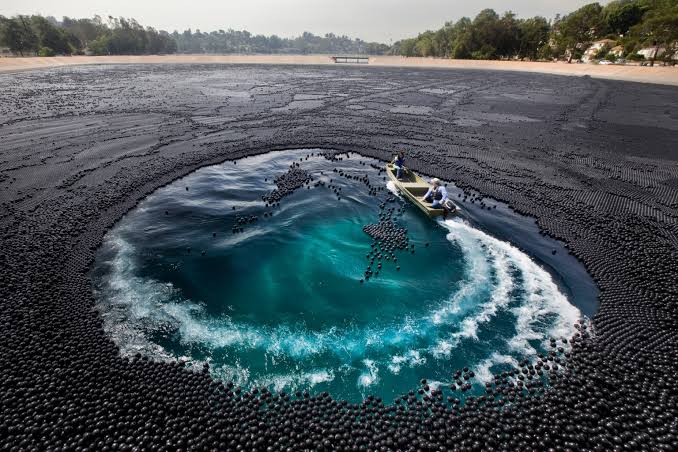
Los Angeles has initiated a controversial project involving the release of 96 million black balls into its drinking water reservoirs. This move is reportedly aimed at reducing water evaporation, a critical issue facing the region, particularly amid ongoing drought conditions. The black balls, known as shade balls, float on the surface of the water, creating a protective barrier against sunlight.

The use of these balls is intended to mitigate the harmful effects of evaporation, which can lead to significant water loss, especially in large reservoirs. The endeavour aligns with efforts to conserve water resources, thereby ensuring a stable supply for a city that grapples with persistent water scarcity. Local authorities have emphasised the need for innovative solutions to manage the water scarcity crisis.

Shade balls have been employed successfully in various locations before, with reports indicating that they can reduce evaporation by up to 85 per cent. Officials maintain that this environmentally friendly solution is not only cost-effective but also a necessary approach in light of the state’s ongoing climate challenges.

Environmental Considerations

The environmental implications of deploying such a large quantity of black balls have prompted discussions among experts and the community. Critics have raised concerns regarding the potential impacts on water quality and aquatic life. However, city officials assert that the materials used to manufacture the shade balls are non-toxic and designed specifically for prolonged exposure to water.

Each ball is constructed of high-density polyethylene, a material that is widely regarded as safe. According to the city, extensive testing has been conducted to ensure that the balls do not negatively affect the reservoir ecosystem or the water treated for public consumption. Nevertheless, questions remain regarding the long-term impacts of this approach.

Additional research and monitoring will be necessary to understand better how the presence of these balls might affect the local environment over time. Experts argue that while innovative measures are required to address water management, it’s crucial to balance conservation efforts with environmental health and sustainability.

Public Reaction and Future Prospects

The community response to the rollout of 96 million shade balls has been mixed, with some residents expressing support for any proactive measures that seek to manage water resources more effectively. Others have raised eyebrows at the sheer scale of the project and its implications for public infrastructure.

Public forums have been held to engage the community in discussions about water management practices, where residents can voice their concerns and seek clarification from officials on the initiative’s specific goals and projected outcomes. Some citizens have suggested exploring additional methods to address water conservation, including rainwater harvesting and greywater recycling.

Looking ahead, the city plans to evaluate the effectiveness of the shade balls in its reservoirs and will consider additional measures as required. As Los Angeles continues to confront the challenges posed by climate change and water availability, the outcome of this experiment may well shape future policies on water conservation and resource management across the state.

Long or Short, get news the way you like. No ads. No redirections. Download Newspin and Stay Alert, The CSR Journal Mobile app, for fast, crisp, clean updates!

App Store –  https://apps.apple.com/in/app/newspin/id6746449540 

Google Play Store – https://play.google.com/store/apps/details?id=com.inventifweb.newspin&pcampaignid=web_share

Latest News

Popular Videos
