


Japan’s Yen Hits 40-Year Low Against US Dollar
The CSR Journal Magazine

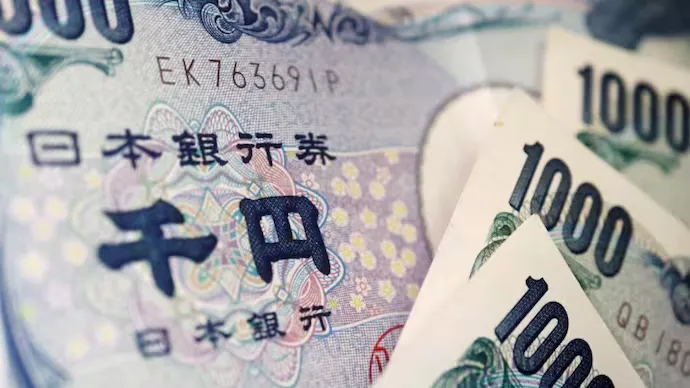
Japan’s yen has reached its lowest point against the US dollar in nearly 40 years, marking 162.27 yen per dollar. This dramatic decline has raised concerns about the pressures facing the world’s third-largest economy and prompted speculation that the Japanese government may intervene in the foreign exchange market to halt further depreciation.

The depreciation of the yen has been attributed to shifting investor preferences towards the dollar, which is bolstered by expectations that the US Federal Reserve will maintain high interest rates for an extended period. Sources indicate that this trend has created substantial challenges for Japan’s financial authorities, who are now under renewed pressure to act.

This drop signals a prolonged period of weakness for the yen, as the currency appears poised to experience its fourth consecutive quarterly decline against the dollar, a streak that has not been seen since 2022.

Factors Contributing to Yen’s Decline

The primary factor behind the yen’s weakness has been the widening interest rate disparity between Japan and the United States. While the Federal Reserve has maintained elevated interest rates to combat inflation, the Bank of Japan has adopted a more cautious approach regarding monetary policy. This divergence has made dollar-denominated assets increasingly appealing to investors, prompting a significant shift in capital away from the yen.

Despite efforts to stabilise the currency, including recent interventions by the Japanese Finance Ministry and adjustments to interest rates by the Bank of Japan, these measures have yielded only temporary results. Market analysts suggest that further interventions by Japan’s financial authorities may be imminent, although they caution that such actions are unlikely to alter the broader trend of currency depreciation.

Analysts predict that the dollar may rise further against the yen, potentially reaching 164 in the coming years if current economic trends persist. Observers note that only unexpected shifts in US economic data could lead to a stronger yen, creating conditions for potential intervention.

Implications of a Weaker Yen

The depreciation of the yen introduces a complex set of economic implications for Japan. On one hand, a weaker currency can bolster exports by making products more competitively priced in international markets. Major Japanese companies, such as Toyota and Sony, could benefit from increased demand for their goods abroad.

Conversely, the rising cost of imports, particularly essentials like crude oil, natural gas, and food, presents a significant challenge. This is expected to contribute to inflation and increase the cost of living for Japanese households and businesses. As geopolitical tensions, notably the ongoing conflict in West Asia, complicate the global economic landscape, the challenges associated with the yen’s decline could become more pronounced.

For India’s perspective, the falling yen carries broader implications. Major currency fluctuations can affect investor sentiment towards emerging markets, including India. While a weaker yen may provide some financial relief to Indian tourists and students travelling to Japan, the overall impact underscores the interconnectedness of global markets and highlights how closely the yen is tied to US monetary policy. Unless the Federal Reserve signals a shift in its approach or Japan adopts more robust monetary measures, analysts suggest that the downward pressure on the yen may continue into the foreseeable future.

Long or Short, get news the way you like. No ads. No redirections. Download Newspin and Stay Alert, The CSR Journal Mobile app, for fast, crisp, clean updates!

App Store –  https://apps.apple.com/in/app/newspin/id6746449540 

Google Play Store – https://play.google.com/store/apps/details?id=com.inventifweb.newspin&pcampaignid=web_share

Latest News

Popular Videos
