


Italy Could Follow Switzerland in Developing Solar Railway Tracks
The CSR Journal Magazine

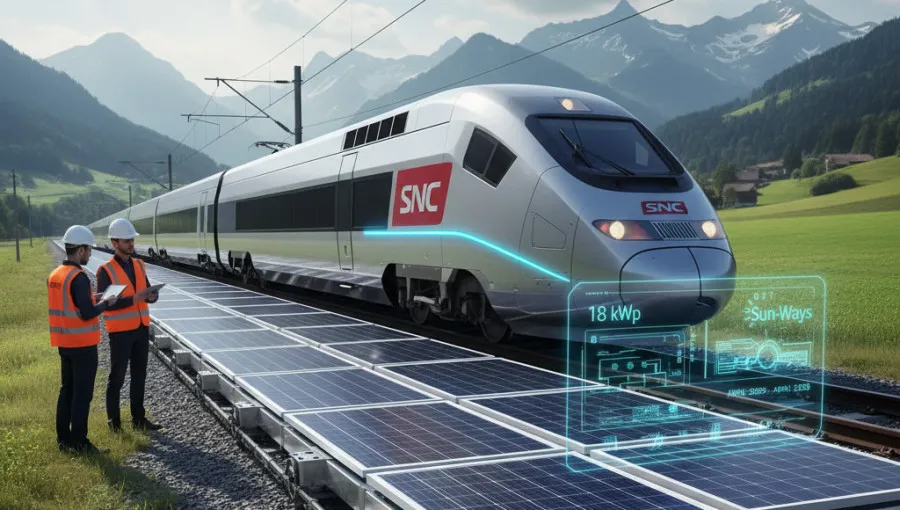
Italy is reportedly considering the implementation of solar railway tracks, inspired by a successful trial conducted in Switzerland. This initiative has garnered attention for its potential to harness renewable energy and contribute to sustainable transportation systems. In Switzerland, solar panels installed along railway tracks have been able to generate electricity, significantly reducing the carbon footprint of rail travel.

The Swiss project, initiated several years ago, aimed to set a precedent for renewable energy use in the transport sector. By integrating solar technology into their railway infrastructure, Swiss authorities have not only enhanced energy efficiency but also demonstrated a commitment to combating climate change. This development has sparked interest among other countries, with Italy being one of the potential adopters.

Authorities in Switzerland have reported that the solar panels have begun to deliver substantial energy output, encouraging further exploration of such technologies worldwide. The successful results highlight the feasibility of utilising existing railway assets to generate clean energy, paving the way for similar projects in other nations.

Italy’s Exploration of Solar Rail Technologies

As Italy contemplates the introduction of solar railway tracks, discussions are ongoing regarding the best practices to adopt from Switzerland’s experience. Italian officials are examining the feasibility of integrating solar technology into their existing railway system, which is one of the most extensive in Europe. This consideration aligns with Italy’s broader goals of increasing renewable energy usage across various sectors.

Reports indicate that Italian railway authorities are in collaboration with renewable energy specialists to evaluate potential locations for solar installations. This work is vital for determining optimal output and efficiency, as well as assessing how solar energy can be integrated into the current rail network without causing disruption to services. The aim is to enhance energy independence while maintaining the reliability of rail travel.

The Italian government has set ambitious targets for renewable energy consumption, committing to reduce greenhouse gas emissions significantly in the coming years. By potentially investing in solar railway technology, Italy could not only meet national goals but also set an example for sustainable transportation practices globally.

Future Implications of Solar Rail Development

The potential benefits of implementing solar railway tracks extend beyond the initial generation of energy. Italy’s interest in this technology could stimulate economic development, creating jobs in procurement, installation, and maintenance of solar infrastructure. It may also attract investments in renewable technology within the country, further boosting the local economy.

Environmental analysts argue that the integration of solar power into the railway system could lead to reduced reliance on fossil fuels, thereby enhancing air quality and contributing to public health. Furthermore, adopting this technology presents an opportunity for Italy to improve its international standing in the fight against climate change, showcasing innovation in the transportation sector.

In conclusion, Italy’s consideration of solar railway tracks marks a significant step towards embracing renewable energy solutions. The shift towards sustainable infrastructure could play a crucial role in achieving long-term environmental objectives while ensuring that Italy remains at the forefront of modernising its transport systems.

Long or Short, get news the way you like. No ads. No redirections. Download Newspin and Stay Alert, The CSR Journal Mobile app, for fast, crisp, clean updates!

App Store –  https://apps.apple.com/in/app/newspin/id6746449540 

Google Play Store – https://play.google.com/store/apps/details?id=com.inventifweb.newspin&pcampaignid=web_share

Latest News

Popular Videos
