


Iran Warns Trump Against Military Actions in the Strait of Hormuz
The CSR Journal Magazine

A new escalation is occurring in the Strait of Hormuz, which is a vital corridor for a significant portion of the world’s oil supply. The situation has intensified following military directives issued by President Donald Trump aimed at obstructing Iranian maritime activities. In response, Iran’s Defence Ministry spokesperson, Esmail Baghaei, emphasised that such actions would not succeed.

Baghaei asserted that any military intervention in the Strait of Hormuz or the Sea of Oman would exacerbate an already precarious situation. He insisted that foreign military presence would lead to increased instability, particularly impacting global energy security.

His remarks were conveyed through a post on social media platform X, where he critiqued the rationale behind US military decisions. The spokesperson highlighted the futility of initiating a conflict described as an “illegal war of choice.” He questioned the effectiveness of retaliatory actions against the broader global economy as a means to resolve geopolitical disagreements.

Trump’s Warning and Iranian Response

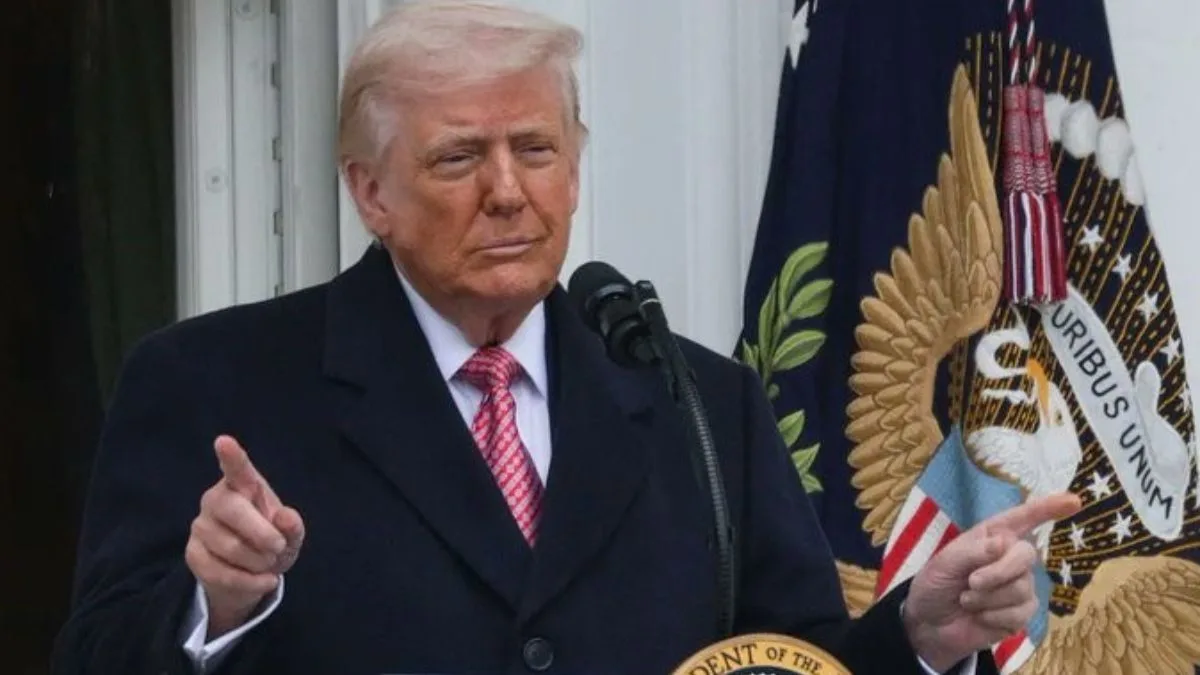
President Trump recently issued a stark warning to Iran, stating that any Iranian ships approaching the US blockade would be “eliminated.” This remark has added to the tension, with both sides seemingly bracing for a potential confrontation. Baghaei responded to these threats, suggesting that the intensity of military posturing does not serve any constructive purpose.

In his statements, he expressed concern regarding the consequences of such hostilities on the international market and overall stability. He conveyed that military threats not only jeopardise the immediate region but also have far-reaching implications for energy supplies globally.

Baghaei’s comments should be understood within the context of ongoing diplomatic tensions between Iran and the United States. The Strait of Hormuz is a critical passageway for oil tankers, making any conflict in this area particularly consequential for global energy markets.

Implications for Global Energy Security

The Strait of Hormuz is a crucial passage for maritime traffic, handling approximately one-fifth of global oil trade. The potential for military confrontation has raised alarms among analysts regarding the ripple effects on energy prices and supply chain stability. Any disruption in this region could lead to significant fluctuations in oil prices, which would affect markets worldwide.

Industry experts are closely monitoring the developments, as both Iran and the US appear to be adopting increasingly aggressive military postures. The situation underscores the long-standing complexities surrounding Iran’s role in regional security dynamics and its implications for international energy policies.

Future engagements between the two nations will be critical in determining whether tensions can be de-escalated without entering into open conflict. The responses from both governments will likely shape diplomatic efforts moving forward and influence the broader geopolitical landscape.

Long or Short, get news the way you like. No ads. No redirections. Download Newspin and Stay Alert, The CSR Journal Mobile app, for fast, crisp, clean updates!

App Store –  https://apps.apple.com/in/app/newspin/id6746449540 

Google Play Store – https://play.google.com/store/apps/details?id=com.inventifweb.newspin&pcampaignid=web_share

Latest News

Popular Videos
