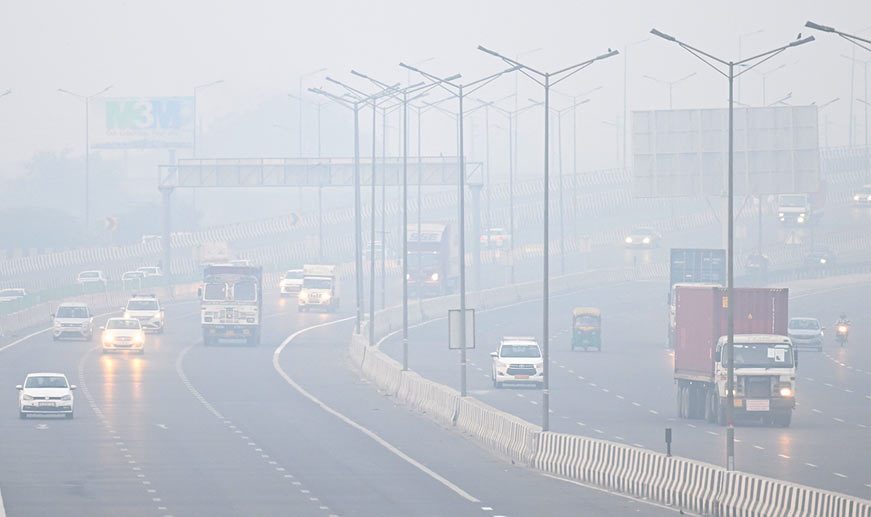
The air quality in the capital has reportedly improved, with the Air Quality Index (AQI) recorded at 225. This marks a notable reduction in pollution levels compared to previous days. The AQI is a crucial indicator of air quality, measuring the concentration of pollutants in the atmosphere. An AQI value of 225 falls into the ‘poor’ category, which can have adverse effects on health, particularly for vulnerable groups.
Authorities have been monitoring the situation closely and have implemented various measures to combat pollution. These include restrictions on construction activities, increased green cover, and public awareness campaigns aimed at reducing vehicular emissions. The improvement in AQI is a welcome change, but experts caution that sustained efforts are necessary to maintain better air quality.
Residents are encouraged to stay informed about the air quality in their local areas, as conditions can vary significantly across different parts of the city. The government has made resources available for citizens to check real-time AQI levels, ensuring that they can take necessary precautions.
Impact on Public Health
The health implications of an AQI of 225 are significant, particularly for individuals with pre-existing respiratory conditions, children, and the elderly. Exposure to poor air quality can lead to various health issues, including asthma attacks, respiratory infections, and cardiovascular problems. Medical professionals advise those in affected areas to limit outdoor activities, especially during peak pollution hours.
In light of the current AQI levels, hospitals and clinics are preparing to handle an expected increase in patients suffering from pollution-related ailments. Public health officials are urging residents to take preventive measures, such as wearing masks and using air purifiers indoors. Furthermore, there is a call for increased public awareness regarding the long-term effects of air pollution on health.
The government is also working on long-term strategies to improve air quality, which may include stricter regulations on industrial emissions and promoting the use of cleaner fuels. These initiatives aim to create a healthier environment for residents and reduce the overall burden of disease associated with air pollution.
Regional Air Quality Updates
While the capital has seen a decrease in pollution levels, other regions are also experiencing varying air quality conditions. Reports indicate that several cities across the country are facing challenges with high AQI values, often exceeding 300, which falls into the ‘very poor’ category. This situation necessitates immediate attention from local authorities and citizens alike.
Residents in these regions are advised to stay indoors as much as possible and to monitor air quality updates regularly. Local governments are encouraged to implement emergency measures to mitigate the impact of pollution, such as temporary restrictions on construction and vehicular traffic during high pollution days.
In addition, community initiatives aimed at increasing green spaces and promoting public transport can play a significant role in improving air quality. Collaboration between government bodies, non-governmental organisations, and the public is essential to address the ongoing challenges posed by air pollution.
Long or Short, get news the way you like. No ads. No redirections. Download Newspin and Stay Alert, The CSR Journal Mobile app, for fast, crisp, clean updates!