


Delhi AQI Soars from 78 to 222 in 24 Hours Amid Pollution Crisis
The CSR Journal Magazine

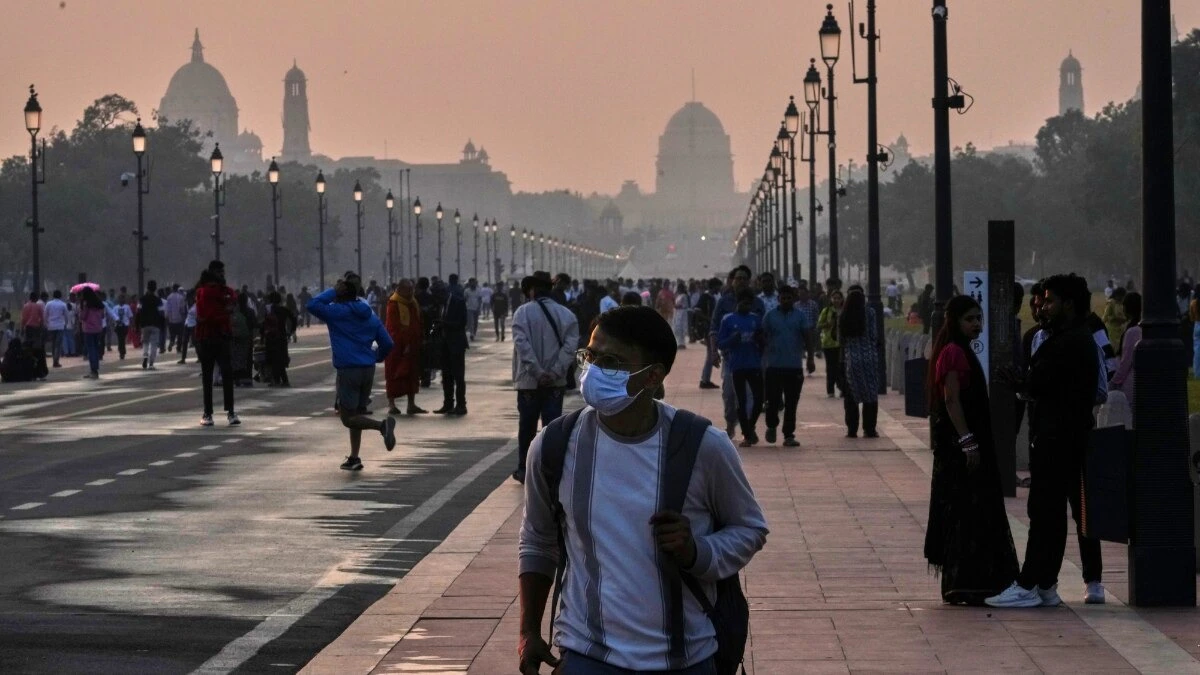
Delhi’s air quality has once again worsened, with the Air Quality Index (AQI) rising sharply from approximately 78 to 222 within a 24-hour period. This alarming increase was reported by AQI.in at 11:31 am on October 31. The deterioration follows a brief improvement earlier in the week, attributed to rainfall and stronger winds that had temporarily cleared the air and reduced pollution levels across the capital.

Despite the rainfall experienced in various parts of the city over the preceding 24 hours, the latest readings indicate a resurgence of pollution. Haze has become increasingly visible over the Yamuna River, a clear sign of the deteriorating air quality.

Data from AQI.in reveals that pollution levels steadily increased throughout Saturday afternoon and evening, peaking around midnight before showing a slight decrease in the early morning hours. However, this improvement was short-lived, as the AQI began to rise again on Saturday morning, surpassing 220 by 11:31 am.

Temporary Relief From Rain and Winds

The India Meteorological Department (IMD) has provided insights into the changing weather conditions that contributed to this situation. Over the past 24 hours, Delhi experienced very light to light rainfall in various areas. The Safdarjung weather station, which serves as the city’s primary monitoring point, recorded 4.2 mm of rain, with other locations such as Lodi Road and Ayanagar also experiencing some precipitation.

Winds were predominantly southwesterly, reaching speeds of 15-25 kmph and gusting up to 35 kmph during the day. Such wind conditions can assist in dispersing pollutants, while rainfall can wash some airborne particles out of the atmosphere. However, by Saturday morning, wind speeds had significantly decreased, with the IMD reporting southwesterly winds at just 6 kmph at 8:30 am.

This shift in wind conditions may have played a role in the renewed accumulation of pollutants. Nonetheless, weather alone is not the sole factor contributing to air quality issues; vehicle emissions, construction dust, industrial discharges, and other sources continue to contribute to the pollution problem.

Future Weather Outlook and Air Quality Challenges

The weather forecast does not suggest any immediate relief from the worsening air quality, as another spell of rain appears unlikely. The IMD has predicted predominantly clear skies over Delhi in the coming days, with no rainfall anticipated until at least November 6. A satellite image released by the IMD shows the prevailing weather systems over the Indian subcontinent.

Northwesterly winds are expected to reach speeds of 15-25 kmph during the afternoon of November 1, and are likely to remain between 15 and 20 kmph in the subsequent days. Additionally, maximum temperatures in Delhi are projected to rise by 3-5°C over the next five days. On Friday, the maximum temperature recorded at Safdarjung was 20.7°C, which is 10.3 degrees below the normal average for this time of year.

While stronger afternoon winds may help to disperse some pollutants, the lack of rainfall means that the city will continue to face challenges from existing pollution sources. The improvement in air quality will largely depend on how these emissions interact with the changing wind patterns and weather conditions in the coming days.

Long or Short, get news the way you like. No ads. No redirections. Download Newspin and Stay Alert, The CSR Journal Mobile app, for fast, crisp, clean updates!

App Store – https://apps.apple.com/in/app/newspin/id6746449540

Google Play Store – https://play.google.com/store/apps/details?id=com.inventifweb.newspin&pcampaignid=web_share

Latest News

Popular Videos
