


Iran’s Uranium Attracts Interest from the US, China, and Russia
The CSR Journal Magazine

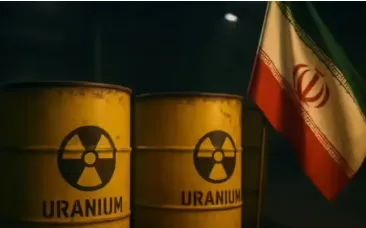
Iran’s uranium has garnered significant interest from major world powers, including the United States, China, and Russia. This attention stems from the strategic implications of uranium in nuclear technology and energy production. Each country has its reasons for seeking access or control over Iran’s uranium reserves, which are essential for various applications in nuclear energy and potential military uses. The complexity of Iran’s nuclear programme further intensifies the global focus on its uranium supplies.

Iran’s Nuclear Ambitions and Regulations

Iran has been at the centre of international nuclear discussions for many years, especially concerning its uranium enrichment processes. The Iranian government insists its nuclear ambitions are exclusively for peaceful purposes, primarily energy generation. However, the capabilities demonstrated through its enrichment activities have raised concerns among Western nations, particularly regarding the potential for developing nuclear weapons. Diplomatic negotiations have been ongoing to ensure compliance with international regulations.

As a result, the Joint Comprehensive Plan of Action (JCPOA) was established in 2015, aimed at limiting Iran’s nuclear capabilities in exchange for the lifting of economic sanctions. Following the US withdrawal from this agreement in 2018, tensions escalated, leading to escalated scrutiny and enforcement regarding Iran’s uranium production. This change in political climate has prompted countries like China and Russia to reassess their relations and involvement with Iran in terms of nuclear collaboration.

China’s interest in Iran’s uranium is closely tied to its energy requirements and strategic partnerships in the region. The China-Pakistan Economic Corridor and other initiatives exemplify Beijing’s commitment to stabilising energy supplies from Iran. Russia, on the other hand, views cooperation with Iran as an opportunity to enhance its influence in the Middle East, counter Western policies, and benefit economically from potential arms deals and nuclear technology sharing.

Concerns and International Implications

The shared interest of the US, China, and Russia in Iran’s uranium raises various geopolitical concerns. Western nations remain cautious about the potential for Iran to develop nuclear weapons capabilities, which could alter the balance of power in the Middle East. Any escalation in nuclear capabilities could lead to an arms race in the region, prompting responses from other nations, including Israel and Saudi Arabia.

Furthermore, Iran’s uranium resources and related technologies are critical points of contention in international diplomacy. Countries with vested interests are closely monitoring Tehran’s nuclear ambitions amidst ongoing tensions surrounding its enrichment activities. Iran’s insistence on developing a robust nuclear programme while adhering to certain agreements presents challenges for global leaders trying to find a resolution that ensures security and stability.

As diplomatic efforts fluctuate, the stakes remain high for all parties involved. The situation requires careful navigation to balance national interests while adhering to international norms regarding non-proliferation. The outcome of these interactions will significantly shape the future landscape of nuclear governance and regional stability in the years to come.

Long or Short, get news the way you like. No ads. No redirections. Download Newspin and Stay Alert, The CSR Journal Mobile app, for fast, crisp, clean updates!

App Store –  https://apps.apple.com/in/app/newspin/id6746449540 

Google Play Store – https://play.google.com/store/apps/details?id=com.inventifweb.newspin&pcampaignid=web_share

Latest News

Popular Videos
