


Iran Revives Ageing Tanker ‘Nasha’ To Store Excess Oil Amid Export Blockade
The CSR Journal Magazine

Iran’s oil industry is currently confronting significant challenges as the nation is unable to cease production without risking damage to its wells. The ongoing sanctions and blockade have severely restricted the country’s ability to export crude oil, resulting in an accumulation of supply. The storage facilities at Kharg Island, which is responsible for over 90 per cent of Iran’s oil production, are approaching full capacity, with reports indicating a storage limit of approximately 30 million barrels. The US blockade in the Strait of Hormuz has exacerbated this situation, creating a pressing need for alternative solutions.

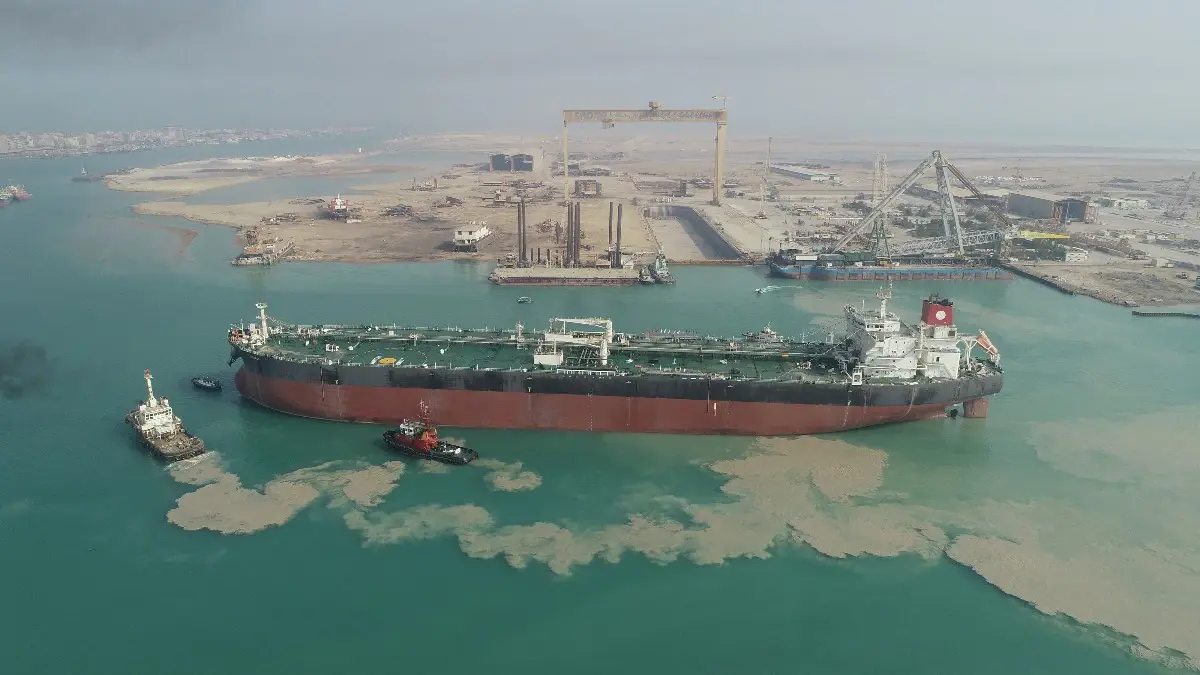
In response to the looming crisis, Iran has announced the revival of a 30-year-old tanker, Nasha, converting it into a temporary floating storage unit for excess oil. This vessel had been inactive and empty for several years but is now being repurposed to alleviate the burden on existing storage facilities at Kharg Island. This initiative highlights the desperate measures Tehran is taking to manage its oil supply and maintain production levels in the face of mounting difficulties.

Maritime analysts have indicated that there is only available capacity for an additional 13 million barrels of oil, while the inflows of crude are currently running at approximately 1 million to 1.1 million barrels daily. At this ongoing rate, they predict that existing storage will be full within the next 12 to 13 days, placing additional pressure on Iran’s oil infrastructure.

Potential Impacts of Capacity Limitations

If storage capacity is reached, Iran will face a critical decision regarding its oil production levels. As excess oil cannot be accommodated, continued production would not be feasible, leading to potential shutdowns of oil wells. This situation would be particularly dire for the water-injection fields, which require continuous operation to avoid damage and long-term production setbacks. The circumstances reveal the economic implications of the current blockade, positioning it as more than just a military strategy; it serves as an economic constraint on Iran’s oil sector.

US Treasury Secretary Scott Bessent previously voiced concerns over Iran’s imminent challenges regarding crude oil storage. If the nation cannot find sufficient space to manage its oil reserves, it may have no choice but to significantly curtail production—a situation that would have far-reaching economic consequences. The repercussions of curtailing production could strain Iran’s economy, as the country relies heavily on oil revenue for its financial stability.

Despite these adversities, Iran has kept Kharg Island operational, with tankers continuing to load crude oil even amidst the challenges posed by US and Israeli military actions. The reactivation of the Nasha demonstrates Tehran’s effort to keep oil flowing while mitigating reliance on onshore facilities that are susceptible to outside threats. Nevertheless, this revival is merely a stopgap solution, and it underscores the precarious nature of Iran’s current oil situation.

Future Prospects for Iran’s Oil Exports

The revival of the Nasha highlights Tehran’s attempt to buy time amidst a tightening situation, however, should the US blockade persist and export levels remain low, Iran will face a stark choice: implement deeper production cuts or risk long-term damage to its oil fields. The primary export terminal at Kharg Island serves as a crucial gateway for the country’s crude oil, and any disruptions there could rapidly escalate into broader economic hardships.

As the situation evolves, experts suggest that Iran’s imminent crisis regarding oil storage could lead to significant economic consequences for the nation. The dependency on such temporary measures raises concerns about the long-term viability of Iran’s oil infrastructure and its ability to sustain production levels amidst external pressures.

In conclusion, the Iranian government’s actions to revive its aging tanker fleet reflect a critical effort to address the immediate crisis, yet the looming challenges underscore the broader implications of its constrained oil export capabilities. The path forward for Iran’s oil sector remains uncertain as it navigates the complexities of the current geopolitical landscape.

Long or Short, get news the way you like. No ads. No redirections. Download Newspin and Stay Alert, The CSR Journal Mobile app, for fast, crisp, clean updates!

App Store –  https://apps.apple.com/in/app/newspin/id6746449540 

Google Play Store – https://play.google.com/store/apps/details?id=com.inventifweb.newspin&pcampaignid=web_share

Latest News

Popular Videos
