


India Asserts Pakistan Must Cease Terror Support Amidst Water Disputes
The CSR Journal Magazine

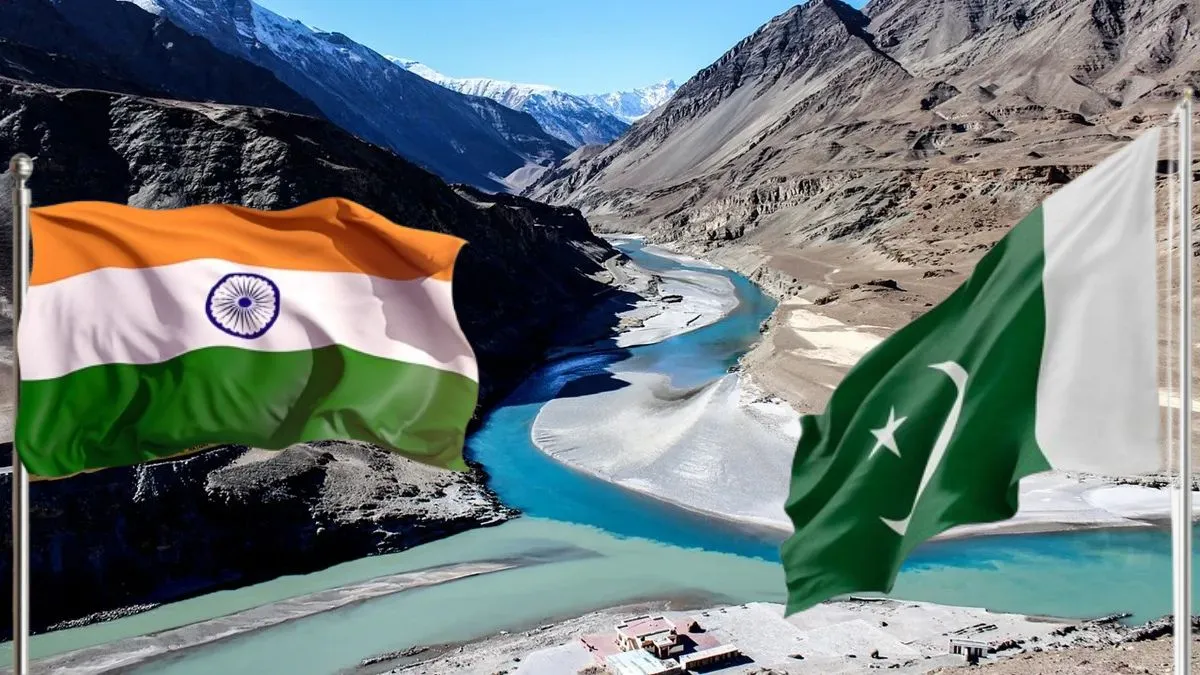
India has declared that the Indus Waters Treaty is currently ‘in abeyance’ due to ongoing concerns regarding Pakistan’s alleged support for terrorism. This decision has been communicated amid escalating tensions related to water sharing agreements between the two nations. Indian authorities highlighted their position on the treaty in light of broader security issues that reportedly affect its implementation.

The Indus Waters Treaty, established in 1960, has governed the sharing of river waters between India and Pakistan. However, Indian officials emphasised that security and cooperation cannot coexist under the current conditions. India’s stance suggests that cooperation in these technical matters is contingent upon Pakistan’s adherence to international norms against terrorism.

Indian officials reaffirm that the suspension of the treaty is a necessary measure to protect the nation’s interests. This development has raised questions regarding future negotiations and the prospects for resolving ongoing disputes over water resources. As both nations rely heavily on these rivers, the stalemate could have significant implications for both agricultural and human activities in the region.

India Expresses Perspective on Teesta River with Bangladesh

In conjunction with its position on the Indus Waters Treaty, India has also conveyed its views on the Teesta River to Bangladesh. The discourse comes amidst growing concerns in India regarding water management and distribution, especially concerning transboundary rivers that affect both nations. Indian officials underscored the importance of a mutually beneficial agreement to ensure sustainable water-sharing practices.

The Teesta River is particularly vital for millions of people in both India and Bangladesh, primarily for agricultural use. India has a vested interest in securing an agreement that not only addresses current demands but also anticipates future challenges posed by climate change and population growth. Indian authorities have indicated that they are committed to working closely with Bangladesh to reach an equitable solution.

Recent discussions on the Teesta have highlighted the complexities involved in formulating agreements that satisfy both parties. India’s approach aims to balance local requirements with broader intergovernmental relations. There is optimism that ongoing dialogue will foster better collaboration on this critical issue, particularly in light of Bangladesh’s substantial dependence on the river.

Regional Water Security Amidst Emerging Challenges

The ongoing disputes over river management between India and its neighbours underscore larger regional water security issues. Authorities in Delhi have called for enhanced cooperation, particularly with Pakistan, despite the current suspension of the Indus Waters Treaty. The emphasis is on establishing a framework that prioritises peace and stability in water sharing.

Experts caution that water security is increasingly becoming a matter of national security. Alleged support for terrorism by Pakistan complicates these discussions, as India remains firm in its demand for accountability. Indian leadership has stated that without addressing core security issues, effective water-sharing agreements remain difficult to achieve.

Long or Short, get news the way you like. No ads. No redirections. Download Newspin and Stay Alert, The CSR Journal Mobile app, for fast, crisp, clean updates!

App Store –  https://apps.apple.com/in/app/newspin/id6746449540 

Google Play Store – https://play.google.com/store/apps/details?id=com.inventifweb.newspin&pcampaignid=web_share

Latest News

Popular Videos
