


India and US Trade Talks Commence Today with Section 301 as a Key Topic
The CSR Journal Magazine

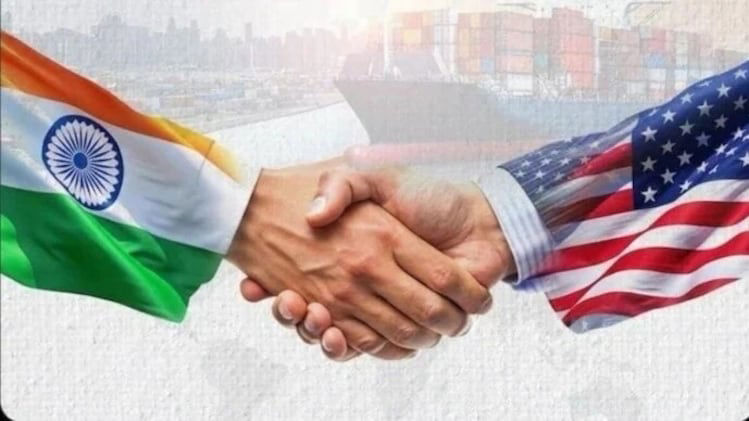
The commencement of trade talks between India and the United States today in New Delhi marks a significant opportunity for both nations to address essential trade issues. Among the various topics on the agenda, Section 301 of the US Trade Act is anticipated to take precedence over discussions surrounding tariff reductions, market access, and export opportunities. Commerce Minister Piyush Goyal indicated that 99 per cent of the groundwork has already been finalised, signalling progress in the negotiations.

Although both countries appear to be on the brink of concluding the first phase of a bilateral trade agreement, India’s apprehensions focus on potential tariffs emerging from ongoing Section 301 investigations. Reports suggest that New Delhi is concerned about the implications of these investigations on its current trade discussions, questioning the value of negotiated tariff reductions when new tariffs could follow shortly thereafter.

The upcoming three-day talks will involve a US delegation led by Assistant US Trade Representative for South and Central Asia, Brendan Lynch, and is expected to delve deeply into these pressing concerns. India’s aim during these discussions will be to secure reassurances related to Section 301 to ensure the durability of any agreements reached.

Understanding Section 301 of the US Trade Act

Section 301, enacted as a part of the US Trade Act of 1974, serves as a pivotal tool for the United States in enforcing trade agreements. The provision empowers the Office of the United States Trade Representative to investigate practices that are perceived as unfair to American businesses. Such practices may include intellectual property theft and market access restrictions.

When the USTR identifies unfair trade practices, it can impose additional tariffs or initiate other trade-related actions against the offending country. This provision often instils fear among nations, as it permits unilateral action without extensive dispute resolution processes, placing countries like India in a vulnerable position.

India’s primary concern is not solely related to the current Section 301 investigations but is rooted in the uncertainty they create. The potential for new tariffs could overshadow the benefits of any trade agreement, compelling India to seek assurances that such tariffs will not undermine the arrangement being negotiated.

India’s negotiating team is focused on discussing tariff rates, mitigating the impact of the Section 301 investigation, and establishing a competitive tariff framework for Indian exports. These discussions are vital in ensuring that any trade agreement remains robust against future trade actions.

Importance of Trade Talks for Indian Exporters

The United States stands as a crucial market for Indian exports, encompassing various sectors including pharmaceuticals, engineering goods, textiles, chemicals, jewellery, and technology services. Consequently, the imposition of additional tariffs can significantly affect the competitiveness of Indian products, making this negotiation critical for exporters.

India’s approach in these negotiations is to not only focus on lowering tariffs but also to create long-term stability for its exporters. The results of these discussions are likely to influence manufacturing decisions, investment plans, and export strategies over the coming years, highlighting the importance of a solid understanding between the two nations.

Moreover, India’s negotiations extend beyond the mere relationship with the US, as the country aims to position itself advantageously against competing manufacturing economies in South and Southeast Asia. Securing preferential tariff treatment over countries such as Bangladesh and Sri Lanka has become a key aspect of India’s strategy, particularly as global companies assess their options for diversifying supply chains.

The ability to offer lower tariff rates compared to competitors could reinforce India’s status as a manufacturing hub, making these negotiations equally important as discussions focused solely on tariffs. Understanding and addressing these aspects is critical for India in this evolving global trade landscape.

Long or Short, get news the way you like. No ads. No redirections. Download Newspin and Stay Alert, The CSR Journal Mobile app, for fast, crisp, clean updates!

App Store –  https://apps.apple.com/in/app/newspin/id6746449540 

Google Play Store – https://play.google.com/store/apps/details?id=com.inventifweb.newspin&pcampaignid=web_share

Latest News

Popular Videos
