


India Airlines Seek Government Relief Amid Surge in Jet Fuel Prices
The CSR Journal Magazine

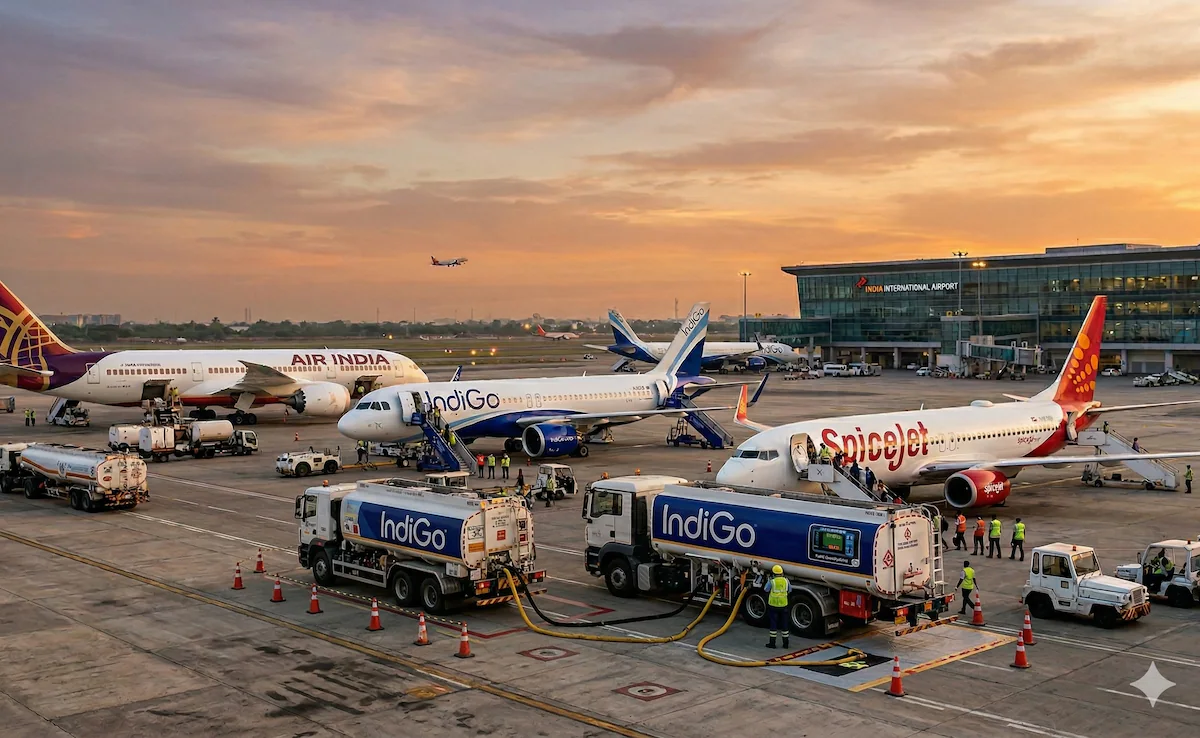
The airline industry in India has called on the government for immediate intervention as rising jet fuel prices put substantial pressure on operations and escalate expenses. In a recent correspondence addressed to the Civil Aviation Ministry, the Federation of Indian Airlines (FIA), which includes major carriers like Air India, IndiGo, and SpiceJet, expressed serious concerns over what it describes as “extreme stress” due to escalating aviation turbine fuel (ATF) prices.

The FIA noted that the current pricing environment is rendering numerous routes financially unsustainable and warned that continued high fuel costs could force airlines to reevaluate their operational strategies. ATF prices have reportedly surpassed Rs 2 lakh per kilolitre in recent weeks, with rising global crude oil prices linked to ongoing tensions in West Asia being a significant factor.

Changing Fuel Cost Dynamics Threaten Airline Viability

Traditionally, fuel expenses constitute about 30–40 per cent of an airline’s total operating costs, but the latest surge has reportedly increased this figure to between 55–60 per cent. This unexpected shift has severely impacted profit margins across the sector. Airlines are presently facing difficulties in managing the rising costs, especially on international routes where fuel prices and limited pricing flexibility compound the financial strain.

The FIA has proposed several immediate measures to alleviate the situation, including the temporary suspension of the 11 per cent excise duty on ATF and calls for a reduction in state-level Value Added Tax (VAT), which can reach as high as 25 per cent in certain regions. The industry body urges the government to consider reinstating a more stable pricing mechanism for jet fuel, as outages in refining margins, known as crack spreads, have continued to drive ATF prices upwards despite fluctuations in crude oil prices.

A significant concern raised by the airline association is the dissonance between the prices of crude oil and ATF. Airlines conveyed that on days when crude oil prices decrease, ATF continues to remain high, introducing challenges in financial forecasting and increasing operational stress.

Global Factors Impacting Domestic Airlines’ Operations

The root cause of the current pricing surge can be traced back to global events. The ongoing conflict in West Asia is pushing oil prices upwards, compounded by uncertainties related to critical supply routes, such as the Strait of Hormuz. For airlines, this equates to higher fuel expenditure, impacting their overall financial health.

The industry has warned that sustained high fuel prices may lead airlines to reduce capacity, streamline routes, or adjust ticket prices. Several global carriers have already indicated that persistent high fuel costs could prompt fare hikes, underlining widespread implications across the aviation sector.

In India, airlines have managed to absorb part of the fuel cost increase for now, but executives caution that options for further absorption are dwindling if prices remain elevated. Consequently, passengers might face an inevitable increase in ticket prices, as airlines adapt to new economic realities. The FIA’s correspondence makes it abundantly clear: this situation transcends mere cost increases; it touches upon the overall sustainability of airline operations in the country.

Long or Short, get news the way you like. No ads. No redirections. Download Newspin and Stay Alert, The CSR Journal Mobile app, for fast, crisp, clean updates!

App Store –  https://apps.apple.com/in/app/newspin/id6746449540 

Google Play Store – https://play.google.com/store/apps/details?id=com.inventifweb.newspin&pcampaignid=web_share

Latest News

Popular Videos
