


How to Pick the Right Coconut: Easy Tricks to Find More Water Inside
The CSR Journal Magazine

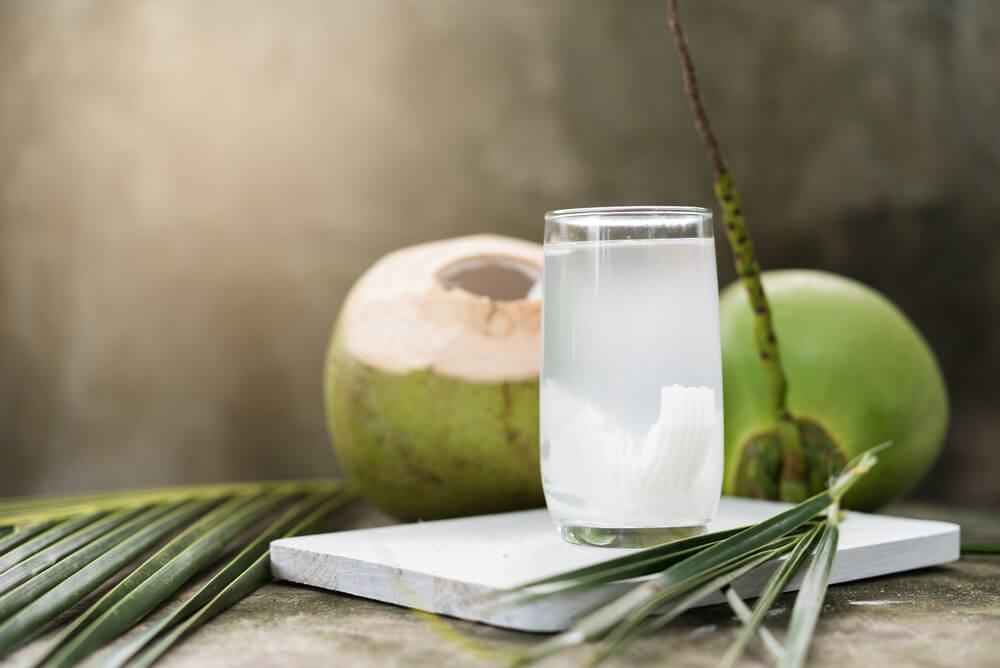
Coconut water is a popular choice for hydration, particularly during warm weather. Whether sourced from street vendors or local markets, buyers often seek coconuts that are abundant in water and justifiable in price. Choosing the right coconut, however, can be tricky, leading many to purchase those containing minimal water or with dense flesh. A recently popularized video offers practical tips for identifying the best coconuts, aiming to improve the selection process for consumers. This guide draws inspiration from the information provided in the viral clip, ensuring buyers can make informed decisions when selecting coconuts.

Insights from the Viral Video

The video emphasizes that not all coconuts are created equal. Younger coconuts tend to be green and filled with refreshing water, while older varieties are more mature and richer in flesh, with reduced water content. The crux of the guidance is straightforward: consumers should choose between a preference for water or flesh based on their personal needs.

Effective Methods for Choosing a Coconut

According to the video, there are several indicators to keep in mind while selecting a coconut: First, opt for coconuts that are vibrant green and appear fresh, as these typically contain a greater amount of water. It is advisable to avoid ones that seem dull, brown, or excessively dry. Second, consider the weight of the coconut. A heavier coconut is likely to be filled with more water, while a lighter one might indicate less water or advanced maturity. Third, give the coconut a gentle shake. If a pronounced sloshing sound is heard, it may not be filled to capacity; a subtler sound often indicates it is full of water. Lastly, steer clear of very mature coconuts, as they have reduced water content and thicker flesh suitable for culinary uses rather than hydration.

Reasons for Variability in Coconut Water Content

The natural process of maturation in coconuts leads to a decrease in water content within the fruit. As the coconut ripens, the liquid transitions into solid flesh. Consequently, older coconuts may disappoint those seeking a refreshing drink. Additionally, factors such as storage conditions, freshness, and time spent on the market are vital in determining the water retention of the coconuts.

When to Opt for a Different Coconut Variety

Though higher water content is preferable for hydration, there are occasions when different preferences take precedence. For customers desiring thicker flesh, a slightly more mature coconut is preferable. Similarly, mature coconuts tend to be better suited for culinary applications, such as cooking or desserts, while younger coconuts are ideal for juice and hydration. The video reinforces the idea that not all coconuts serve the same purpose, encouraging consumers to tailor their choice based on their specific needs. When at a coconut stand, employing these straightforward techniques can enhance the selection experience. Rather than relying on guesswork, buyers can be confident in their ability to choose a coconut that offers not only refreshment but also value for their investment.

Long or Short, get news the way you like. No ads. No redirections. Download Newspin and Stay Alert, The CSR Journal Mobile app, for fast, crisp, clean updates!

App Store –  https://apps.apple.com/in/app/newspin/id6746449540 

Google Play Store – https://play.google.com/store/apps/details?id=com.inventifweb.newspin&pcampaignid=web_share

Latest News

Popular Videos
