


Innovative Vehicle Sparks Debate Over Flying Capability
The CSR Journal Magazine

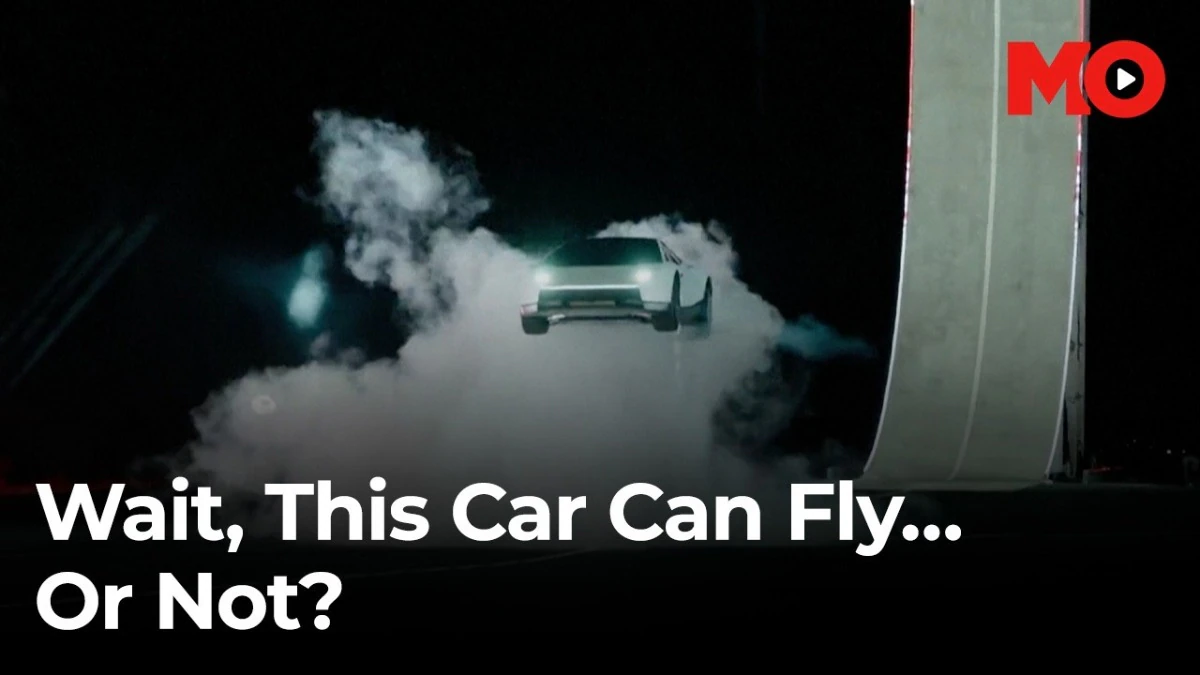
A new vehicle has emerged in the automotive market, claiming to possess flying capabilities. This innovative design has generated significant interest among enthusiasts and industry experts alike. The vehicle, which resembles a conventional car, reportedly integrates advanced technology to facilitate aerial travel. However, the specifics of its functionality remain unclear, leading to questions about its practical applications.

The vehicle is said to be equipped with retractable wings and a propulsion system that allows it to transition from ground to air travel. According to the manufacturers, the design aims to address urban congestion by providing an alternative mode of transport. The vehicle’s compact size is intended to make it suitable for city environments, where space is often limited.

Despite the excitement surrounding this vehicle, experts have raised concerns regarding safety and regulatory compliance. The integration of flying capabilities into a personal vehicle presents numerous challenges, including air traffic management and the need for pilot licensing. These factors could significantly impact the vehicle’s viability in the market.

Public Reaction and Interest

The announcement of this flying car has elicited a mixed response from the public. Many individuals express enthusiasm about the potential for personal aerial travel, envisioning a future where traffic jams become a thing of the past. Social media platforms have been flooded with discussions and speculations regarding the vehicle’s capabilities and design.

Conversely, sceptics question the practicality of such a vehicle, citing concerns over safety and the technological feasibility of flying cars in everyday life. Some individuals have pointed out that previous attempts at creating flying vehicles have not materialised into commercially viable products. This historical context adds a layer of caution to the public’s excitement.

Industry experts have also weighed in, noting that while the concept of flying cars has been a topic of fascination for decades, actual implementation remains fraught with challenges. They highlight the importance of rigorous testing and regulatory frameworks to ensure that any such vehicle meets safety standards before being introduced to the market.

Future Prospects and Developments

The future of flying vehicles hinges on advancements in technology and infrastructure. Researchers are exploring various innovations that could make flying cars a reality, including improvements in battery life, lightweight materials, and autonomous navigation systems. These developments could potentially address some of the concerns raised by sceptics.

Additionally, governments and regulatory bodies are beginning to consider the implications of flying cars on urban planning and air traffic management. As interest in this technology grows, there may be a push for new regulations that facilitate the safe integration of flying vehicles into existing transport systems.

In conclusion, while the concept of a flying car has captured the imagination of many, its practical implementation remains uncertain. The vehicle’s features suggest a promising future, but significant hurdles must be overcome before it can be deemed a viable mode of transport. Ongoing discussions and developments in this field will determine whether flying cars will become a reality or remain a futuristic dream.

Long or Short, get news the way you like. No ads. No redirections. Download Newspin and Stay Alert, The CSR Journal Mobile app, for fast, crisp, clean updates!

App Store – https://apps.apple.com/in/app/newspin/id6746449540

Google Play Store – https://play.google.com/store/apps/details?id=com.inventifweb.newspin&pcampaignid=web_share

Latest News

Popular Videos
