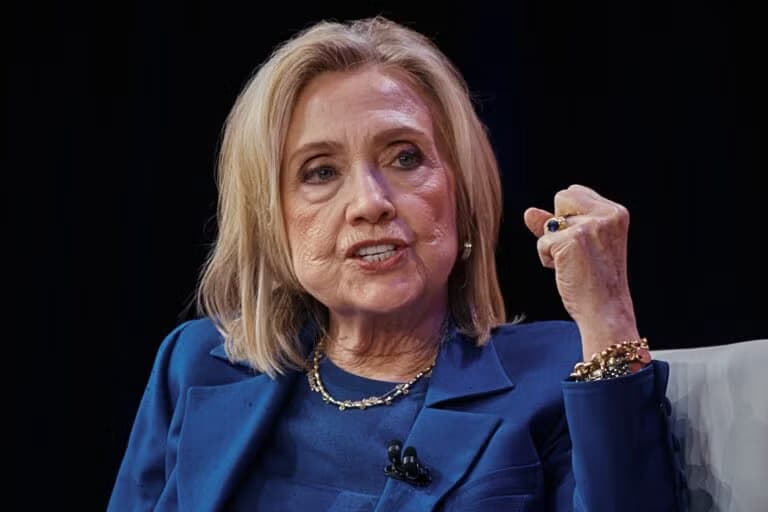
Hillary Clinton, the former US Secretary of State, has asserted that India and China could play crucial roles in resolving the ongoing tensions between the United States and Iran, particularly if President Donald Trump opts for a diplomatic approach. In a recent interview with C-SPAN, she noted that both nations significantly import oil and gas from Iran, making them influential players in the conflict.
Clinton pointed out that recent strategic errors have exacerbated the situation in West Asia and suggested that external pressures, especially from countries with substantial energy agreements with Iran, might help ease the rising tensions. Her comments come in the wake of new US sanctions on Iran, which threaten countries engaging in commerce with Tehran.
Understanding the Origins of the Conflict
The ongoing conflict escalated after a joint military operation by the United States and Israel against Iran on February 28, which elicited retaliatory actions from Tehran and restricted passage through the Strait of Hormuz. This waterway is crucial for global energy supplies, with about one-fifth of the world’s oil transiting through it under normal circumstances.
In June, an interim peace agreement was established between the US and Iran, yet this framework collapsed last month due to renewed hostilities from both nations. Clinton remarked that misunderstandings at a strategic level have contributed significantly to the current state of affairs and that engagement with countries such as India and China might offer pathways out of these difficulties.
Clinton further stated that these two nations, particularly China, could be instrumental in applying pressure on Iran, given their position as major purchasers of Iranian energy resources. She highlighted that China has been accumulating substantial fossil fuel reserves and expressed that this leverage could be pivotal if the Trump administration chooses to pursue negotiations rather than confrontation.
Potential Mediation Efforts in the Region
As tensions continue to escalate, several countries, including Pakistan, Oman, and Qatar, are reportedly involved in mediating discussions between the United States and Iran. The Strait of Hormuz remains a focal point in these discussions, with ongoing shipping disruptions posing challenges to regional stability.
Clinton underscored that the international community must consider the implications of the ongoing sanctions, especially as US Treasury Secretary Scott Bessent recently announced further restrictions on Iran’s economic activities. She warned that countries that maintain financial relationships with Iran could face retaliatory measures from the United States.
In her remarks, Clinton indicated that if they do not assist in negotiations, action against China may not be ruled out. She expressed a firm stance that the Chinese government should be informed of potential sanctions unless they participate in efforts to persuade Iran to reopen the Strait of Hormuz and restore previous trade conditions.
Amid these developments, President Trump had previously stated on August 20 that he would implement the “most crushing economic operation” against Iran should the country fail to reach a deal. Clinton concluded by reiterating the importance of India and China in any diplomatic initiative aimed at mitigating the crisis and restoring normalcy in the Strait of Hormuz.
Long or Short, get news the way you like. No ads. No redirections. Download Newspin and Stay Alert, The CSR Journal Mobile app, for fast, crisp, clean updates!
Former United States Secretary of State Hillary Clinton hailed India as a major centre of climate innovation while urging urgent, collaborative global action during...