


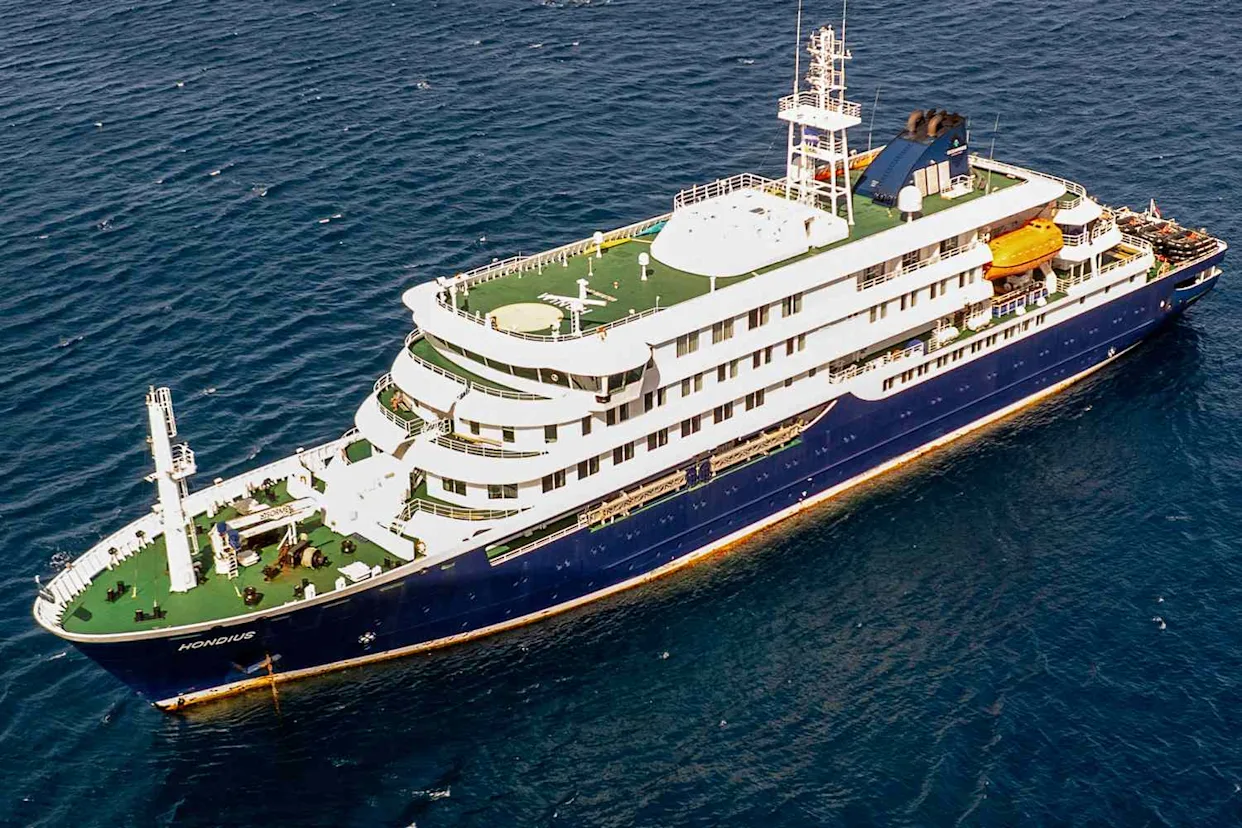
Hantavirus Outbreak on MV Hondius Leaves Three Dead, Several Infected
The CSR Journal Magazine

The recent hantavirus outbreak aboard the MV Hondius luxury cruise ship has caused three fatalities and several confirmed infections. Reports indicate that five cases of the Andes strain of hantavirus have been documented by the World Health Organization (WHO). Health officials across multiple nations are tracking passengers who may have been exposed to the virus before awareness of the outbreak was raised.

This strain is significant because it is one of the few hantaviruses known to occasionally transmit between humans, albeit such occurrences are rare. The outbreak’s severity has heightened concerns about public health safety, prompting international scrutiny.

Health authorities are undertaking extensive contact tracing efforts, as some passengers left the ship prior to the identification of the illness. The Andes strain has been confirmed as the cause of concern, requiring close monitoring of affected individuals.

Funding Cuts and Their Implications for Hantavirus Research

Scientists have drawn attention to a US-supported research project focused on hantavirus, which was discontinued last year following funding cuts. The initiative aimed to investigate the spread of the rare strain of hantavirus implicated in the recent outbreak. Reportedly, this pilot project was associated with the West African Center for Emerging Infectious Diseases (WAC-EID), part of a broader research network addressing emerging infectious diseases.

The funding for this programme was halted under the Trump administration in 2025, resulting in the cessation of research that could have enhanced understanding of how hantaviruses are transmitted, particularly the Andes strain. Scott Weaver, the former principal investigator at WAC-EID, indicated that an associated project in Argentina was successful in securing funding to conduct studies similar to those initially planned in West Africa.

This Argentina-based research was aimed at understanding how hantavirus transitions from rodents to humans, and whether it can spread more readily under specific conditions. The premature termination of these research efforts underscores concerns regarding the preparedness for future infectious disease threats.

Public Health Responses and International Concerns

The outbreak’s ramifications have raised alarm across numerous countries as passengers travelled to various locations prior to the detection of cases. The MV Hondius embarked from Argentina in April and journeyed through regions including Antarctica and remote Atlantic islands. At a media briefing, WHO Director-General Tedros Adhanom Ghebreyesus described the outbreak as “serious” but reassured that the overall public health risk remains low.

Concerns persist, however, regarding the potential for the virus to cause widespread illness. Hantavirus infections typically occur through rodent contact, but the Andes variant presents unique challenges due to possible human-to-human transmission. Experts are still investigating the exact mechanisms behind this transmission.

With the outbreak highlighting gaps in research and preparedness, scientists argue for the necessity of ongoing surveillance and funding for less common diseases. WAC-EID had previously contributed to improved systems for outbreak detection. Weaver noted that while the Argentina study might not have averted the current outbreak, it highlights the need for robust research frameworks to address emerging health threats.

Long or Short, get news the way you like. No ads. No redirections. Download Newspin and Stay Alert, The CSR Journal Mobile app, for fast, crisp, clean updates!

App Store –  https://apps.apple.com/in/app/newspin/id6746449540 

Google Play Store – https://play.google.com/store/apps/details?id=com.inventifweb.newspin&pcampaignid=web_share

Latest News

Popular Videos
