


H1N1 Can Affect the Eyes, Watch for These Warning Signs as Flu Cases Surge
The CSR Journal Magazine

The recent rise in H1N1 cases in Delhi has sparked concern, with nearly 2,500 confirmed cases this year and an additional 650 influenza cases, bringing the total reported infections to over 3,000. The actual number of cases may be significantly higher as many families in Delhi-NCR and surrounding cities are experiencing influenza-like illnesses that have not yet been confirmed through testing.

While H1N1 predominantly affects the respiratory system, medical professionals warn that the inflammation caused by the virus can occasionally impact the eyes. Though most eye-related issues that stem from the flu are mild and can be treated effectively, there are instances where inflammation may reach deeper eye structures, which poses a risk to vision.

Recognizing symptoms that go beyond typical eye irritation is essential. Individuals should be vigilant for any signs indicating that the eye may be compromised by the virus.

Common Eye Symptoms Associated with H1N1

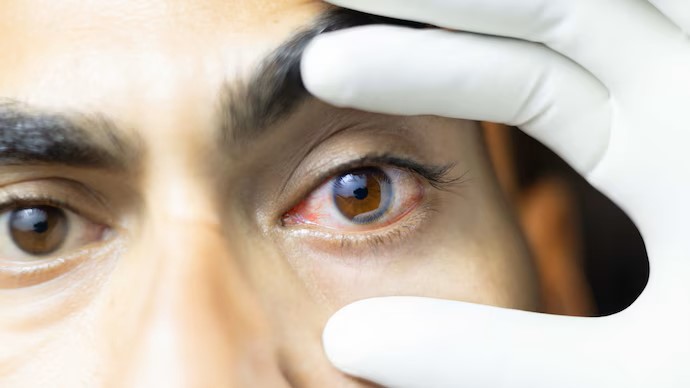
Viral conjunctivitis is the most common eye complication linked to H1N1, presenting symptoms such as redness, watering, burning sensations, irritation, and swollen eyelids. According to a pediatric ophthalmologist, the inflammation caused by the virus can lead to symptoms typically associated with conjunctivitis.

In addition to the aforementioned symptoms, viral conjunctivitis may also cause mild discharge and heightened sensitivity to light. A subconjunctival hemorrhage, identifiable as a bright-red patch on the white of the eye, can sometimes occur after intense coughing or vomiting.

Most of these symptoms generally resolve on their own. However, there are rare occasions when flu-related inflammation affects deeper parts of the eye, such as the uvea, retina, or optic nerve, as noted by doctors. This can lead to severe conditions such as uveitis, retinitis, or optic neuritis.

Recognising Warning Signs for Eye Complications

It is crucial to differentiate between common eye irritation and symptoms that may signify deeper inflammation. Doctors emphasise that if a person with influenza experiences persistent blurred vision, acute eye pain, significant sensitivity to light, or a sudden decline in vision, these should not be dismissed as mere conjunctivitis. Such symptoms require an immediate ophthalmic evaluation.

Additional warning signs include the appearance of new floaters, flashes of light, dark spots in the vision, altered colour perception, double vision, or discomfort when moving the eyes. Any sudden or ongoing changes in vision during or following an influenza infection should prompt immediate medical attention.

While there is no specific demographic proven to be more susceptible to H1N1-related eye issues, individuals with weakened immune systems, diabetes, or existing eye conditions should be particularly vigilant. Children, older adults, pregnant women, and those suffering from chronic heart or lung diseases are generally at a higher risk for severe influenza, although this does not automatically indicate they will encounter vision-related complications.

Preventative Measures to Reduce Risk

To minimize the risk of complications from influenza, preventive measures are essential. Doctors advise that annual flu vaccinations, maintaining proper hand hygiene, and avoiding close contact during illness can significantly limit virus transmission.

Individuals experiencing eye symptoms should refrain from touching or rubbing their eyes, particularly with unwashed hands. Sharing towels, tissues, and eye-care products should also be avoided. Wearing contact lenses is not advisable while experiencing eye redness or irritation.

Although the potential for eye complications from H1N1 exists, serious ocular issues remain rare. Recognising the warning signs is key to ensuring appropriate measures are taken. Medical professionals caution against self-medication, particularly the use of steroid eye drops, as these may exacerbate certain eye conditions or obscure crucial symptoms.

Long or Short, get news the way you like. No ads. No redirections. Download Newspin and Stay Alert, The CSR Journal Mobile app, for fast, crisp, clean updates!

App Store –  https://apps.apple.com/in/app/newspin/id6746449540 

Google Play Store – https://play.google.com/store/apps/details?id=com.inventifweb.newspin&pcampaignid=web_share

Latest News

Popular Videos
