


Tax Disputes Need Prevention, Not Just Management, Says Nirmala Sitharaman
The CSR Journal Magazine

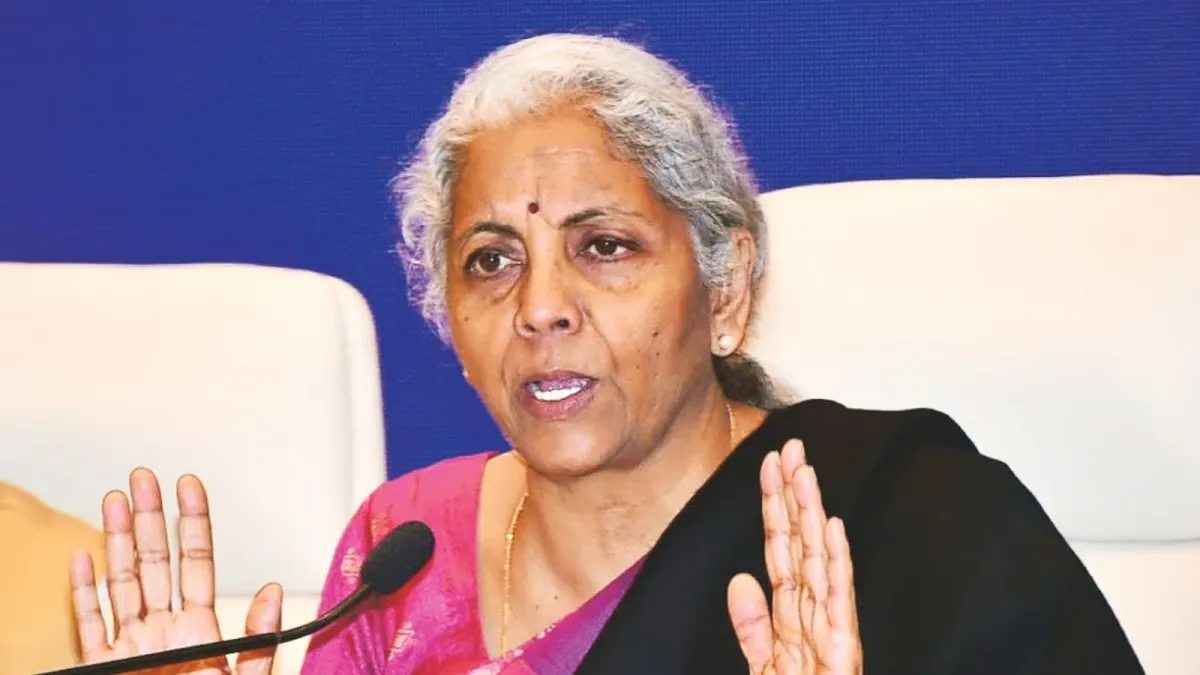
The central government is striving to fundamentally reduce tax litigation rather than merely managing existing disputes, as stated by Union Finance Minister Nirmala Sitharaman. Speaking at the 8th International Tax Conference organised by the International Tax Research and Analysis Foundation (ITRAF) in Bengaluru on September 16, she emphasised the need for innovative and workable alternatives from industry representatives and policy researchers to enhance public discourse on tax policies.

Sitharaman articulated a straightforward philosophy aimed at making voluntary compliance simpler. She highlighted that the enforcement capacity should be reserved for cases that genuinely demand attention, underlining the government’s intent to shift from a reactive to a proactive stance in tax administration.

Updates on Tax Compliance Measures

The Finance Minister elaborated on the ‘Vivad se Vishwas’ schemes, which she described as providing both taxpayers and the government the opportunity to settle longstanding disputes without resorting to indefinite litigation. She mentioned significant changes to appeal thresholds, noting that in 2024, the limits for departmental appeals were raised to Rs 60 lakh before the appellate tribunal, Rs 2 crore before high courts, and Rs 5 crore before the Supreme Court.

Additions to these reforms include the corporate tax reduction to 22 per cent, implemented in 2019, and a planned rationalisation of individual income tax rates scheduled for 2025. According to Sitharaman, individuals earning up to Rs 12 lakh annually will not be liable for income tax, thus simplifying the tax structure.

She also discussed the future of the Goods and Services Tax (GST) system, indicating a significant reform that will see the consolidation of GST into two main rates by 2025. This move is expected to alleviate classification disputes and streamline compliance for taxpayers.

Encouragement for Comprehensive Reform Proposals

The Finance Minister requested that stakeholders provide detailed analyses, including the implications of current tax provisions that may impose excessive compliance burdens, the number of taxpayers affected, and the potential revenue impacts of proposed alternatives. Sitharaman insisted on the importance of assessing both the beneficiaries and the broader implications for the tax base, administration, and other taxpayers.

On the topic of international taxation, Sitharaman mentioned ongoing treaty renegotiations with Mauritius, Singapore, and Cyprus aimed at reinstating India’s rights to source-based capital gains taxation. She also noted the implementation of General Anti-Avoidance Rules (GAAR), the Multilateral Instrument, and advancements to the Advance Pricing Agreement (APA) programme to incorporate new safe harbour provisions.

Lastly, she encouraged ITRAF to evolve from passive observations to producing rigorous independent research similar to established international entities like the UK’s Institute for Fiscal Studies. Such a transition would provide thoroughly examined options that could significantly enhance India’s economic framework.

Long or Short, get news the way you like. No ads. No redirections. Download Newspin and Stay Alert, The CSR Journal Mobile app, for fast, crisp, clean updates!

App Store –  https://apps.apple.com/in/app/newspin/id6746449540 

Google Play Store – https://play.google.com/store/apps/details?id=com.inventifweb.newspin&pcampaignid=web_share

Latest News

Popular Videos
