


Gavi and UNICEF Cut Malaria Vaccine Price by 40% to Protect 1 Million More Children
The CSR Journal Magazine

The recent agreement between Gavi, the Vaccine Alliance, and UNICEF has resulted in a significant reduction in the price of the RTS,S/AS01 malaria vaccine. The cost per dose will decrease by approximately 40%, bringing it down to €5.50. This price adjustment is anticipated to take effect in early 2027 and is expected to save around $50 million for childhood immunisation programmes from 2027 to 2029. However, this change is contingent upon meeting specific manufacturing and regulatory requirements.

Importance of the Malaria Vaccine

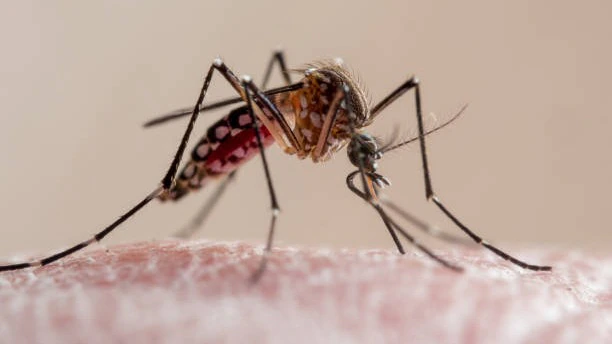
Malaria is a serious disease that poses a significant health risk, particularly to young children, as it is transmitted through the bites of infected mosquitoes. Severe cases of malaria can lead to serious health complications and even death. The development of an effective malaria vaccine has been a considerable scientific challenge for many years. This changed in 2021 when the World Health Organisation (WHO) endorsed the RTS,S/AS01 vaccine as the first malaria vaccine for widespread use among at-risk children.

The RTS,S/AS01 vaccine was developed through a collaboration involving GSK, PATH, and various partners. To enhance the supply of this vital vaccine, Bharat Biotech has taken over its production, planning to manufacture it under the brand name Mosqivac. In addition to this vaccine, a second malaria vaccine, R21/Matrix-M, received WHO endorsement in 2023, further contributing to efforts aimed at protecting children in malaria-endemic regions.

The RTS,S/AS01 vaccine is administered in a four-dose regimen. UNICEF reports that when given seasonally in areas with high malaria transmission, the complete course can reduce malaria cases by approximately 75%. However, it is important to note that the vaccine does not offer complete protection, and children will still require additional preventive measures such as mosquito nets, mosquito control strategies, and timely medical intervention if symptoms arise.

Implications of the Price Reduction

The reduction in vaccine pricing is significant as it allows countries to allocate their immunisation budgets more effectively, potentially protecting a greater number of children. The new agreement is projected to save around $50 million over three years, which could enable the provision of the full four-dose vaccination course to an additional one million children. Alternatively, these savings could allow countries to extend their reach to more children with other essential vaccines.

Since the rollout of malaria vaccines began in 2024, demand has exceeded initial expectations. UNICEF has reported the procurement and delivery of over 74 million doses, with malaria vaccination now integrated into routine immunisation programmes across 25 African countries. This widespread adoption underscores the growing recognition of the importance of malaria vaccination in public health initiatives.

Despite these advancements, malaria continues to be a major global health challenge. In 2024, there were an estimated 282 million malaria cases worldwide, resulting in approximately 610,000 deaths. Africa bore the brunt of this burden, accounting for up to 95 per cent of cases and fatalities, with children under five constituting around 74 per cent of malaria-related deaths in the region. The ongoing challenge lies not only in making vaccines available but also in ensuring that children in the most affected areas can access them.

Challenges in Malaria Control

While vaccination is a crucial component of malaria control, it cannot serve as a standalone solution. Effective malaria prevention requires a multifaceted approach that includes the use of mosquito nets, repellents, and other mosquito-control measures, alongside early diagnosis and prompt treatment. Additionally, factors such as climate change and extreme weather can complicate malaria control efforts by altering transmission patterns and disrupting healthcare services.

The recent price reduction represents more than just a change in the cost of a vaccine. If the agreement achieves the anticipated savings and increases vaccine availability, it could significantly enhance access to protection for children against a disease that remains a leading cause of childhood illness and mortality.

Long or Short, get news the way you like. No ads. No redirections. Download Newspin and Stay Alert, The CSR Journal Mobile app, for fast, crisp, clean updates!

App Store – https://apps.apple.com/in/app/newspin/id6746449540

Google Play Store – https://play.google.com/store/apps/details?id=com.inventifweb.newspin&pcampaignid=web_share

Latest News

Popular Videos
