


app-store-logo
play-store-logo
March 17, 2026

European Leaders Reject US Call for Military Role in Strait of Hormuz
The CSR Journal Magazine

On March 16, during a press conference, UK Prime Minister Keir Starmer stated that the United Kingdom will not engage in a broader conflict in West Asia. His remarks came after US President Donald Trump highlighted that the future of NATO might be at risk if allied nations, including the UK, do not provide military assistance in the region. Starmer clarified that the UK’s primary focus is the safety of its citizens while also taking necessary actions for self-defense and the defense of its allies.

Starmer Outlines Key Priorities

Starmer articulated three main priorities for the UK regarding the situation in the region. First, he affirmed the necessity of protecting British nationals. Second, he reiterated that while the UK is committed to defending itself and its allies, it will avoid becoming embroiled in a wider conflict. Finally, he expressed a desire to work towards a rapid resolution that restores security and stability, and mitigates the Iranian threat to neighboring countries. He pointed out that the implications of the conflict in West Asia have far-reaching consequences globally and called for an expedited end to the war.

Comments from Other European Leaders

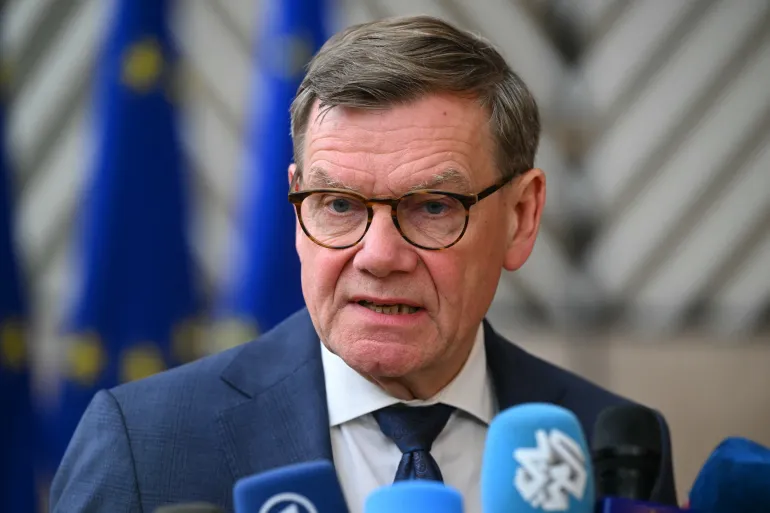
Leaders from Germany and Greece also indicated their refusal to participate militarily in the conflict. A spokesperson for the German government stated that the ongoing war in Iran is unrelated to NATO obligations and confirmed that Germany would not engage in military actions, including efforts to secure the Strait of Hormuz. The spokesperson underscored that Germany will not participate in any operations while the war persists.

Similarly, the Greek government spokesman, Pavlos Marinakis, announced that Greece will refrain from military involvement in the Strait of Hormuz, echoing Germany’s stance. The sentiment of non-participation was reinforced by Italian Foreign Minister Antonio Tajani, who emphasized the importance of diplomatic solutions to the crisis. During remarks made at a meeting in Brussels, Tajani stated that current Italian naval operations are focused on defensive missions in the Red Sea rather than expanding into Hormuz.

US President’s Comments on Military Participation

On March 14, President Trump suggested that numerous countries are expected to send naval forces to ensure the Strait of Hormuz remains accessible, though he did not specify which nations would be involved. His comments came in the context of urging European allies to provide more substantial support amidst rising tensions in the region. The situation in the Strait of Hormuz has become increasingly precarious, leading to calls for a diplomatic resolution rather than military intervention.

Continued Calls for Diplomatic Solutions

The collective responses from European leaders indicate a clear reluctance to engage militarily in the Horn of Hormuz, emphasizing the critical importance of diplomacy in addressing the escalating crisis. As the situation develops, the consensus among these nations highlights a shared priority for security without entering into a protracted military conflict. Ongoing discussions will likely focus on how to achieve stability in West Asia while balancing national interests and international obligations.

Long or Short, get news the way you like. No ads. No redirections. Download Newspin and Stay Alert, The CSR Journal Mobile app, for fast, crisp, clean updates!

App Store –  https://apps.apple.com/in/app/newspin/id6746449540 

Google Play Store – https://play.google.com/store/apps/details?id=com.inventifweb.newspin&pcampaignid=web_share

Latest News

Popular Videos
