


Pentagon Requests Increased Contributions From NATO Allies Amid US Focus Shift
The CSR Journal Magazine

The Pentagon has formally requested that NATO allies increase their contributions to the defence of Europe as the United States prioritises security challenges nearer to home, particularly in the Indo-Pacific region. This request arises as the US begins to downsize its military presence in Europe, where approximately 80,000 troops are currently stationed. Future troop reductions will largely depend on how effectively European allies and Canada address the US’s call for a revamped NATO structure.

US officials underscore that maintaining a robust military presence is critical for NATO’s capacity to deter potential adversaries, including Russia. The envisioned strategy suggests that NATO allies would take responsibility for conventional defence, while the US would offer support, including nuclear capabilities, as necessary. This approach would redefine roles within the alliance and potentially lead to a sustained reduction of US troops in Europe.

Response from NATO Members Following US Briefing

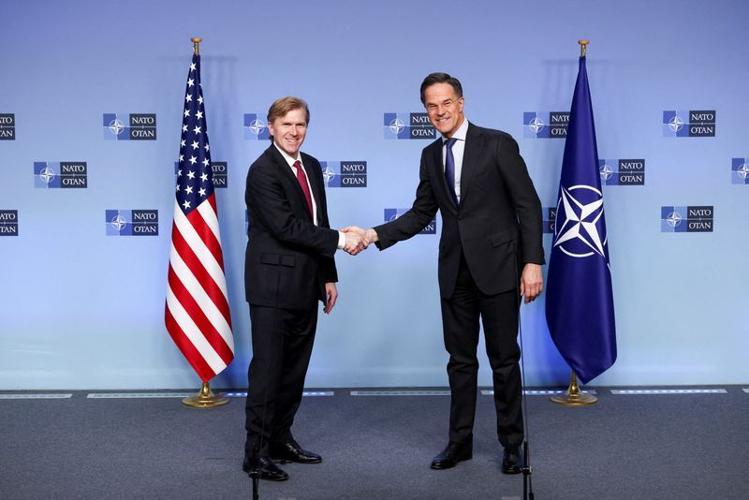
Following a briefing at NATO headquarters in Brussels, US Under Secretary of Defence Elbridge Colby commended nations such as Germany, Poland, and various Scandinavian countries for their proactive measures. However, he expressed a desire to see enhanced contributions from other member states, particularly the United Kingdom. Colby remarked that the goal of the US is to recalibrate NATO into a more effective, purpose-fit structure in light of modern security dynamics.

The Pentagon has initiated a survey aimed at gathering information from NATO allies regarding their plans to align with US objectives. Colby noted that preliminary responses have already begun to arrive, but he did not disclose the identities of the countries that have participated. The initiative seeks to clarify how allies intend to support US aims, particularly regarding conventional defence capabilities in Europe.

This survey also extends beyond NATO, asking whether allies are prepared to grant US forces unrestricted access to their military bases and airspace. Such considerations have gained prominence, especially after some European nations displayed hesitance when the US initiated military actions against Iran without prior consultations. Colby stressed that Europe shares a vested interest in preventing Iran from acquiring nuclear weapons, highlighting the necessity for operational predictability in international collaborations.

Strategic Implications of US Military Redeployment

The US’s strategic pivot towards the Indo-Pacific region coincides with its ongoing troop reductions in Europe. By urging allies to assume a greater role in traditional defence measures, the US aims to enhance the collective security posture of NATO. This shift reflects a broader realignment of military priorities, considering the evolving global security landscape.

Amid this transition, the expectation is for European nations to demonstrate readiness to shoulder additional responsibilities while maintaining cohesion within the alliance. Colby’s comments underscore the importance of a united front against shared threats, reaffirming the US commitment to NATO’s foundational principles while seeking an evolved and more balanced alliance structure.

As discussions progress, NATO members will need to evaluate their defence capabilities and preparedness to adapt to the changing dynamics of international security. The outcome of this realignment will largely influence the future relationships within NATO and the efficacy of collective defence strategies faced with emerging global threats.

Long or Short, get news the way you like. No ads. No redirections. Download Newspin and Stay Alert, The CSR Journal Mobile app, for fast, crisp, clean updates!

App Store –  https://apps.apple.com/in/app/newspin/id6746449540 

Google Play Store – https://play.google.com/store/apps/details?id=com.inventifweb.newspin&pcampaignid=web_share

Latest News

Popular Videos
