


Dissatisfied with slow progress, WB CM to personally review rural employment scheme, calls high-level meeting

The CSR Journal Magazine

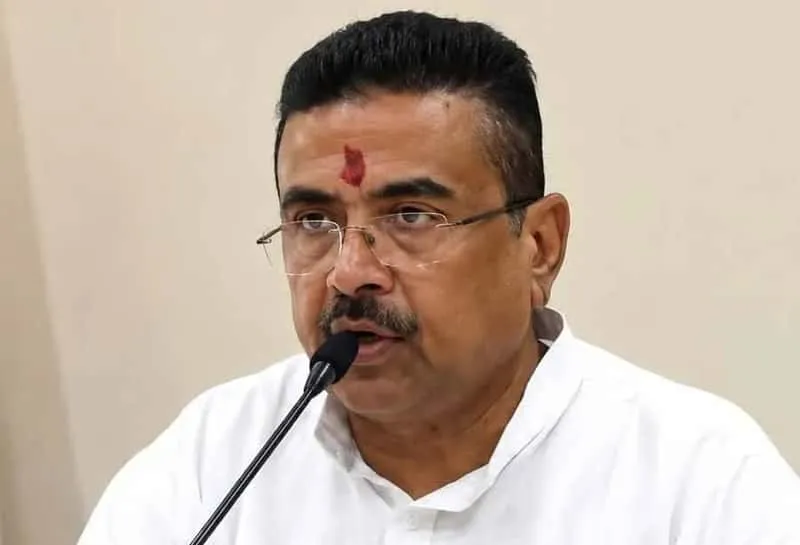
Chief Minister Suvendu Adhikari has expressed dissatisfaction over the functioning of the Panchayat and Rural Development Department, particularly the slow progress of the state’s 125-day rural employment scheme. In a move to assess the implementation of the scheme and address administrative shortcomings, the Chief Minister will visit the Panchayat Department in person and hold a high-level review meeting on Wednesday, November 4.

Panchayat Minister Dilip Ghosh, along with senior officials of the department, is expected to attend the meeting. The Chief Minister is likely to take stock of the scheme’s progress, identify bottlenecks and seek explanations from officials over delays in its implementation.

According to administrative sources, the meeting will primarily focus on accelerating the implementation of the VB-G-Ramji scheme, which seeks to provide an additional 25 days of employment to poor and marginalised rural families. However, the initiative has reportedly failed to make the expected progress, with concerns over the sluggish pace of implementation, particularly in several North Bengal districts.

The Chief Minister is likely to seek a detailed account of the reasons behind the delays and fix responsibility for administrative lapses. The government is keen to ensure that the intended beneficiaries receive the additional employment opportunities without further delays.

Tighter monitoring to address irregularities

The proposed review also assumes significance against the backdrop of persistent complaints surrounding the earlier 100-day rural employment scheme. In several instances, beneficiaries reportedly received only 56 to 70 days of work. Allegations of corruption and irregularities also surfaced, including claims that beneficiaries were forced to sign false declarations suggesting that they had received work for the remaining days.

To prevent a recurrence of such irregularities and ensure that beneficiaries receive their rightful entitlements, the state government is considering a stronger monitoring mechanism. One of the proposals under consideration is to bring the entire implementation process under the direct supervision of the Panchayat and Rural Development Department, instead of depending exclusively on Block Development Officers (BDOs).

A final decision on the proposed monitoring framework, along with a detailed implementation roadmap, is expected to emerge from Wednesday’s meeting.

BJP welcomes Chief Minister’s intervention

Reacting to the Chief Minister’s decision, BJP chief spokesperson Debjit Sarkar said the administrative inertia that had persisted for decades needed to be addressed.

“I am not certain about the level of satisfaction or dissatisfaction, but it is evident that the lethargy—a persistent, long-standing trend in the administration for the past 59 years—needs to be addressed. To overcome this, the Chief Minister and all other ministers must broaden the scope of their responsibilities,” Sarkar said.

Referring to the previous Left Front and Trinamool Congress governments, he alleged that rural development initiatives had repeatedly suffered because of a section of government employees who either opposed projects, obstructed their implementation or neglected their responsibilities.

He further said the Chief Minister’s initiative was aimed at overcoming this administrative reluctance and improving coordination across departments.

“To move past this aversion to work and inspire the entire system to function more efficiently, the Chief Minister is taking this step, and other ministers will also establish better coordination within their respective departments. We are confident that this will benefit the public. Therefore, on behalf of our party, we welcome this initiative by the Chief Minister,” he added.

Administrative machinery under scrutiny

According to sources in administrative circles, the Chief Minister’s decision to personally review the rural employment scheme is expected to put greater pressure on officials at the lower levels of the bureaucracy. The proposed shift towards direct departmental supervision is also being viewed as an attempt to strengthen accountability and streamline the delivery mechanism.

The November 4 meeting is therefore expected to be crucial in determining the future course of the scheme and the government’s approach towards monitoring rural employment programmes. The key question remains whether the Chief Minister’s direct intervention will translate into faster implementation, greater transparency and more effective delivery of employment benefits to rural households.

Long or Short, get news the way you like. No ads. No redirections. Download Newspin and Stay Alert, The CSR Journal Mobile app, for fast, crisp, clean updates!

App Store – https://apps.apple.com/in/app/newspin/id6746449540

Google Play Store – https://play.google.com/store/apps/details?id=com.inventifweb.newspin&pcampaignid=web_share

Latest News

Popular Videos