


Digital Payments Flourish in India Amid Rising Fraud Incidents
The CSR Journal Magazine

The growth of digital payments in India has been notable, with convenience becoming paramount; however, this surge has been accompanied by a corresponding rise in fraud incidents. Many users have shared experiences where digital transactions did not go as planned, highlighting vulnerabilities in this rapid expansion. Cases of individuals losing substantial amounts, like the Rs 80,000 lost by a user attempting to purchase a phone online, illustrate the new challenges posed by digital payment systems.

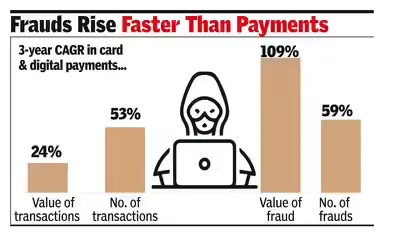
According to the India Fraud Report 2026 compiled by Bureau, a risk intelligence firm, there were significant escalations in reported bank fraud cases. In the fiscal year 2024-25, these reached Rs 36,014 crore, a staggering increase nearly threefold compared to the previous year. This escalation raises concerns about the security of digital transactions even as the volume of reported cases declines, indicating a shift towards higher-value scams.

Statistics reveal that over 24 lakh digital fraud cases were recorded in the first ten months of 2025, resulting in losses exceeding Rs 4,200 crore. This demonstrates a worrying trend where fewer incidents are resulting in larger financial losses, prompting experts to rethink fraud prevention strategies.

Changing Dynamics of Fraud

Insights from the report indicate that the nature of fraud is evolving. Fraudsters are increasingly targeting higher-value transactions rather than numerous low-value scams. This includes a rise in loan fraud, which now dominates overall fraud losses due to the speed at which digital lending operates. The ease of applying for loans using fake identities has led to a trend referred to as loan stacking, where multiple loans are obtained within a short timeframe before fraud detection systems can react.

Sandesh Gs, Chief Technology Officer at Bureau, expressed that the data highlights the changing tactics employed by fraudsters. They are adapting to systems that are primarily reactive rather than proactive. The current landscape presents a dual concern: traditional, smaller-scale fraud is being replaced by smarter, more expensive frauds that exploit immediate banking systems.

The involvement of synthetic identities is another growing issue. These identities, which combine real and fabricated information, complicate detection efforts. They often pass verification checks initially, delaying the impact of the fraud until it is too late for timely intervention.

Challenges in Fraud Detection

Despite the advancement of payment infrastructures like the Unified Payments Interface (UPI), which processes over 20 billion transactions each month, there is a notable lag in fraud detection mechanisms. Most banks are operating with systems created for slower transaction environments, making it difficult to identify fraudulent activities before funds are transferred.

The Reserve Bank of India has consistently highlighted deficiencies in digital operations and IT governance among banks. Reports indicate that substantial losses—up to Rs 1,120 crore—could potentially have been avoided had existing systems been implemented effectively. Current detection frameworks often react after transactions have completed, limiting their effectiveness in preventing fraud.

Experts are advocating for potential solutions, such as the consideration of short delays for specific transactions to facilitate detection without significantly disrupting the rapid transaction flow. Increasing awareness among citizens regarding digital fraud could also play a critical role in improving overall security within the system.

Consequences of Inadequate Systems

The true scale of digital fraud may be underestimated, as the Rs 36,014 crore figure from reported bank frauds does not include unreported incidents or cross-border scams. Tarun Wig, Co-founder and CEO at Innefu Labs, mentioned that many losses remain unrecorded, thereby distorting the overall picture of digital fraud in the country.

The interconnected nature of fraud, operating across various banking, fintech, and regulatory systems, complicates matters. Sandesh Gs noted that such connectivity means that addressing fraud requires comprehensive solutions rather than isolated responses, emphasising the necessity for collective engagement from all stakeholders.

As digital payments become increasingly ubiquitous, the urgent need for enhanced security measures and awareness becomes apparent. The landscape of digital fraud demands vigilance and proactive strategies to protect users from financial harm, underscoring the need for systemic reform and collaboration. The evolving nature of these fraudulent activities poses a continued challenge for the financial ecosystem in India.

Long or Short, get news the way you like. No ads. No redirections. Download Newspin and Stay Alert, The CSR Journal Mobile app, for fast, crisp, clean updates!

App Store –  https://apps.apple.com/in/app/newspin/id6746449540 

Google Play Store – https://play.google.com/store/apps/details?id=com.inventifweb.newspin&pcampaignid=web_share

Latest News

Popular Videos
