


Delhi’s AQI Surges to 510 Amid Severe Pollution Crisis Ahead of Diwali
The CSR Journal Magazine

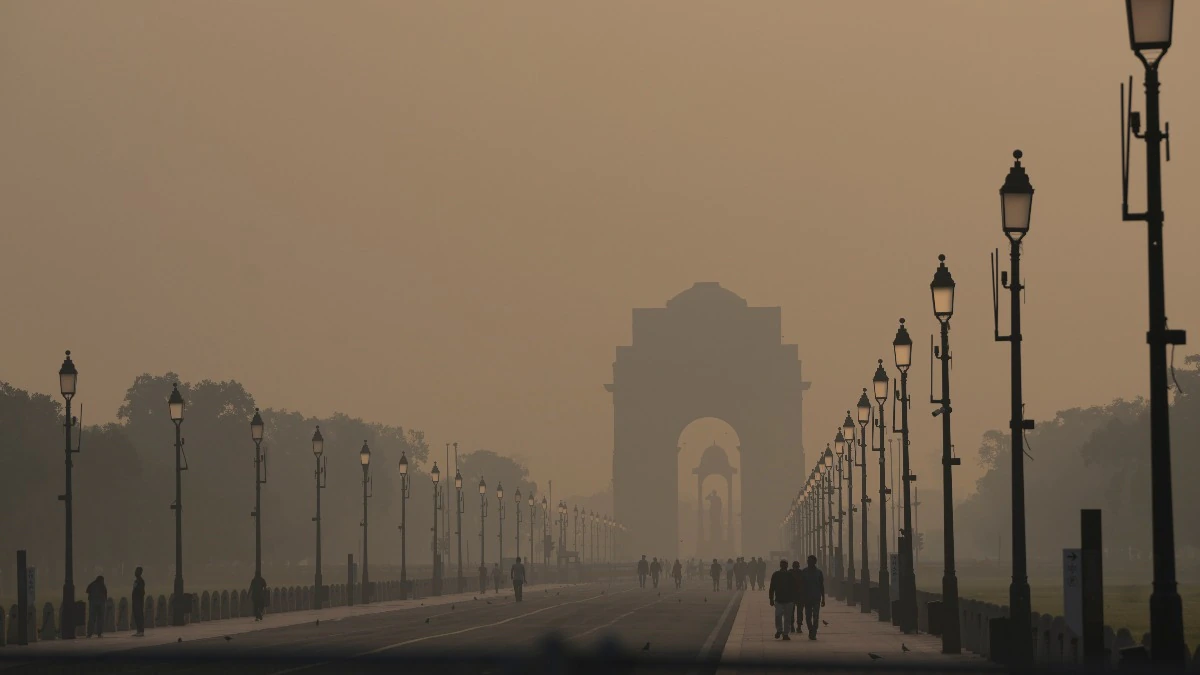
Delhi experienced a significant rise in air pollution on Thursday, with the Air Quality Index (AQI) reaching a concerning level of 510 at 10:01 am, as reported by AQI.in. This alarming figure follows a trend of increasing pollution, with the AQI climbing from a daily average of 410 on November 3 to 493 on November 4, and now peaking at 510 on November 5. Residents of the capital are grappling with a mix of smoke, dust, and trapped emissions, creating a hazardous environment just days before Diwali.

The thick smog enveloping the city has become a familiar sight, with people navigating through obscured visibility. The persistent poor air quality has raised concerns about the health implications for the population, as many wake up to a haze that is denser than the previous evening.

Understanding Nighttime Pollution Dynamics

The increase in pollution levels during the night and early morning hours is attributed to several atmospheric conditions that develop after sunset. During the day, the sun heats the ground, causing warm air to rise and allowing pollutants to disperse into a larger volume of air. This process is further aided by stronger winds, which help to carry away contaminants.

However, as night falls, the ground cools, leading to a temperature inversion where the air near the surface becomes colder than the air above. This phenomenon effectively traps pollutants close to the ground, preventing them from dispersing. Consequently, emissions from vehicles, industries, and construction accumulate in a confined space, resulting in a sharp increase in pollution levels.

In the early morning, the situation worsens due to stable atmospheric conditions and typically weak winds. The mixing layer, which is the portion of air closest to the ground where pollutants usually disperse, becomes significantly shallower at night. This limited air volume means that pollutants can concentrate rapidly, leading to heightened AQI readings, particularly around sunrise.

Factors Contributing to Persistent Pollution in Delhi

The ongoing pollution crisis in Delhi is exacerbated by various sources, including vehicle emissions, road dust, industrial activities, and stubble burning in neighbouring states. Recent data indicates a dramatic increase in the AQI, which rose from 124 on October 30 to nearly 400 by November 2, following a brief period of improvement due to rainfall and stronger winds.

As Diwali approaches on November 8, concerns are mounting that the use of firecrackers will introduce additional pollutants into an already compromised atmosphere. The combination of rising emissions, colder winter temperatures, and pollutants trapped close to the ground is expected to worsen the air quality situation.

Delhi’s residents face a challenging period as they contend with the health risks associated with such high pollution levels. The daily cycle of worsening air quality during the night and early morning serves as a reminder of the urgent need for effective measures to address the city’s chronic pollution issues.

Long or Short, get news the way you like. No ads. No redirections. Download Newspin and Stay Alert, The CSR Journal Mobile app, for fast, crisp, clean updates!

App Store – https://apps.apple.com/in/app/newspin/id6746449540

Google Play Store – https://play.google.com/store/apps/details?id=com.inventifweb.newspin&pcampaignid=web_share

Latest News

Popular Videos
