


Delhi Experiences Severe Air Quality Deterioration Ahead of Diwali
The CSR Journal Magazine

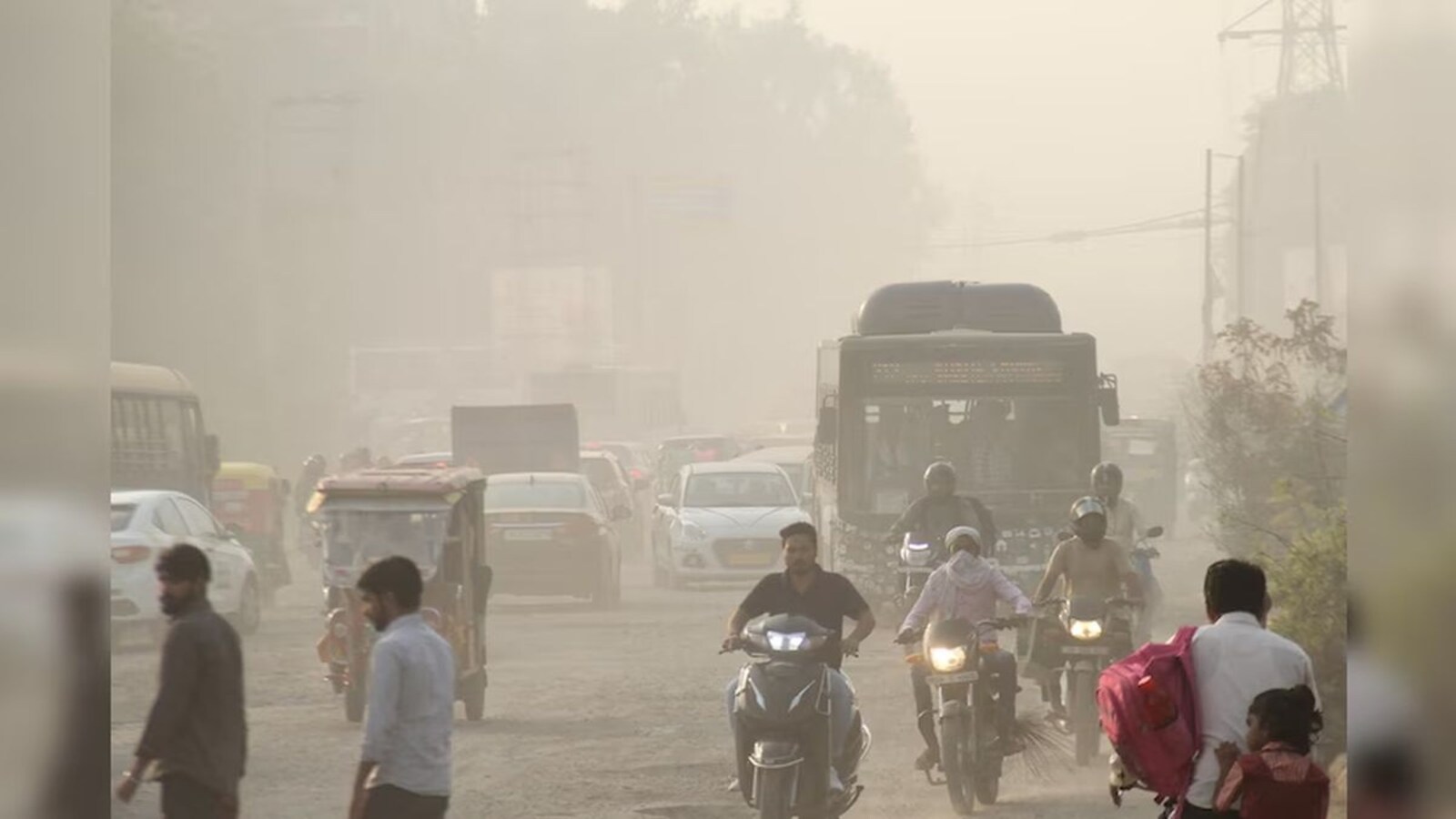
Delhi is currently grappling with significant air pollution, as the air quality index (AQI) soared to 379 at 10 am on Wednesday. This figure places the air quality in the “very poor” category, as classified by the Central Pollution Control Board. The alarming rise in pollution levels comes just a week before the Diwali festival, which typically sees an increase in firecracker usage, further exacerbating the smog.

The concentration of fine particulate matter, which poses serious health risks by penetrating the lungs and entering the bloodstream, reached 277 micrograms per cubic metre. This level is over 18 times higher than the 24-hour limit recommended by the World Health Organization. This deterioration marks a stark contrast to the previous month, when the AQI was recorded at 166, indicating the cleanest October in eight years, aided by heavy rainfall and favourable wind patterns.

As winter approaches, the combination of falling temperatures and weak winds typically traps emissions from various sources, including vehicles, industrial activities, construction, waste burning, and agricultural fires. This seasonal phenomenon results in weeks of toxic air, impacting public health and productivity in one of the world’s largest urban economies.

Government Measures to Combat Pollution

In an effort to mitigate the pollution crisis, authorities have implemented a formal calendar of restrictions aimed at improving air quality. New measures that came into effect on Wednesday include prohibitions on older commercial vehicles and dust-emitting construction activities. Additionally, there are limitations on office attendance and increased parking fees.

The regional air-quality regulator has also introduced similar emergency restrictions to address the worsening situation. However, experts have expressed concerns regarding the effectiveness of these measures. Sunil Dahiya, founder and lead analyst at climate research firm Envirocatalysts, noted that while having a plan is essential, the execution of these strategies has not met expectations.

Critics argue that the measures do not encompass the broader area surrounding the capital, which also contributes significantly to pollution levels. Furthermore, the practice of crop burning in neighbouring states continues to add to the already high pollution burden faced by Delhi.

Sources of Pollution and Future Projections

The microscopic pollutants present in Delhi’s air, which have been associated with serious health issues, originate from a combination of local and regional sources. According to the Environment Ministry of India, secondary particles—chemicals formed from the amalgamation of emissions—constitute the largest share of pollution, accounting for 27 per cent during the winter months. Transport emissions follow as the next major contributor, along with biomass burning, including agricultural waste from surrounding regions.

Despite a reported decline of over 90 per cent in crop fires in Punjab and Haryana since 2021, projections indicate a potential rise in their contribution to Delhi’s pollution levels. An Indian Institute of Tropical Meteorology model forecasts that this contribution could increase from less than 9 per cent on November 2 to over 20 per cent by November 5.

Environmental experts have expressed concern that Delhi’s air quality remains unhealthy for a significant portion of the year. Manoj Kumar, an analyst at the Centre for Research on Energy and Clean Air, highlighted that authorities often treat pollution as an episodic issue rather than a persistent problem. He pointed out that there has only been one recorded “good” air day in 2026, underscoring the need for a more comprehensive approach to tackling air quality challenges in the capital.

Long or Short, get news the way you like. No ads. No redirections. Download Newspin and Stay Alert, The CSR Journal Mobile app, for fast, crisp, clean updates!

App Store – https://apps.apple.com/in/app/newspin/id6746449540

Google Play Store – https://play.google.com/store/apps/details?id=com.inventifweb.newspin&pcampaignid=web_share

Latest News

Popular Videos
