


Delhi’s Air Quality Slips to Moderate Category, AQI Recorded at 117
The CSR Journal Magazine

Recent Air Quality Fluctuations

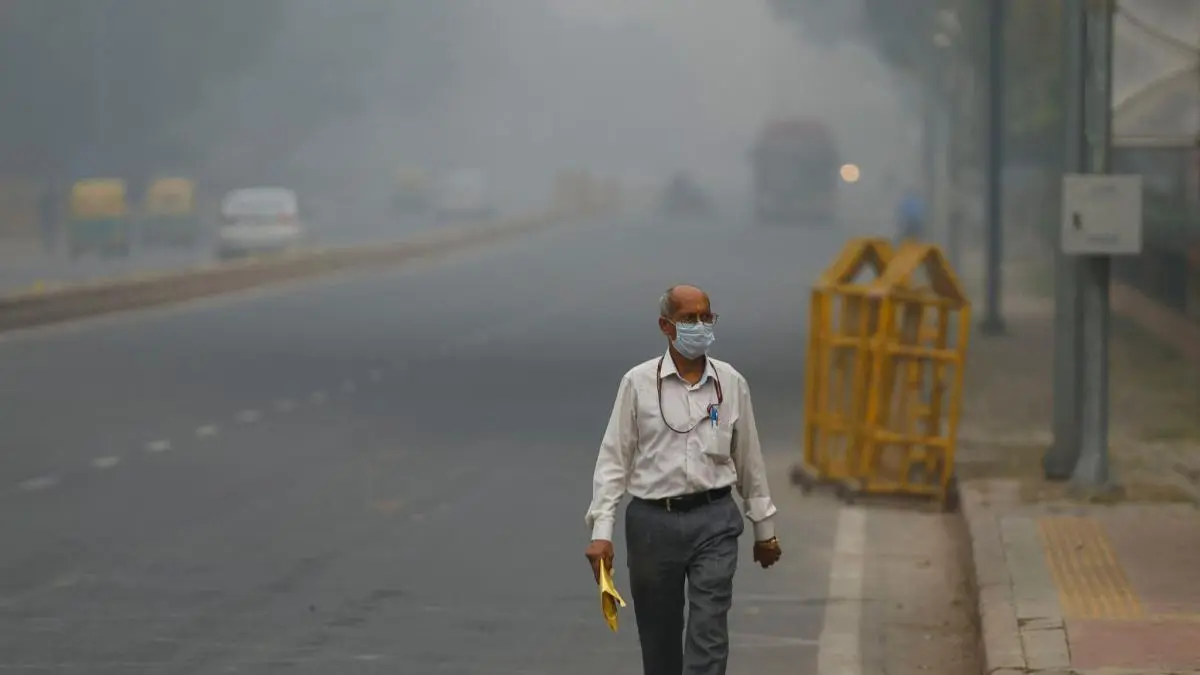
Delhi’s air quality has recently declined, moving from a ‘satisfactory’ rating to a ‘moderate’ category on Saturday, October 14, 2023. The Air Quality Index (AQI) reached 117, a significant increase from the previous day’s figure of 60. This marked the cleanest air in October for the past four years, as the AQI of 60 was the lowest recorded for the month since October 10, 2022, when it stood at 44.

Monitoring data from 58 air quality stations across the city indicated that 24 stations reported ‘satisfactory’ air quality, while 32 were classified as ‘moderate’. Two stations recorded ‘poor’ air quality levels. Jahangirpuri was noted for having the highest AQI at 243, followed closely by Punjabi Bagh, which registered an AQI of 212.

Pollution Sources and Their Impact

The Central Pollution Control Board categorises AQI levels into various classifications. An AQI ranging from 0 to 50 is deemed ‘good’, while 51 to 100 is ‘satisfactory’. The ‘moderate’ category encompasses AQI levels from 101 to 200, ‘poor’ ranges from 201 to 300, ‘very poor’ from 301 to 400, and ‘severe’ from 401 to 500. As per the Air Quality Early Warning System, the air quality in Delhi is projected to remain in the ‘moderate’ category on Sunday but may shift towards the ‘poor’ range in the coming days.

Forecasts suggest that for the subsequent six days, the air quality is likely to fall within the ‘poor’ to ‘very poor’ categories. The Decision Support System has identified key contributors to the pollution levels in Delhi. The transport sector is responsible for 16.3 per cent of the pollution, while residential sources account for 4.1 per cent. Other contributors include peripheral industries at 2.9 per cent, construction activities at 2.1 per cent, energy production at 1.4 per cent, and various other sectors at 1 per cent.

In the National Capital Region (NCR), pollution contributions vary by district. Gurugram is reported to contribute 6.5 per cent, followed by Jhajjar at 5 per cent, Faridabad at 4.3 per cent, Gautam Buddh Nagar at 3.7 per cent, Bulandshahr at 2.2 per cent, Meerut at 0.5 per cent, and Panipat at 0.4 per cent. Stubble burning has been identified as a significant factor, contributing 19.1 per cent to the pollution levels in Delhi, while other sources make up 18.3 per cent.

Future Projections and Health Implications

As the air quality continues to fluctuate, health implications for residents become a growing concern. The potential for increased pollution levels poses risks, particularly for vulnerable groups such as children, the elderly, and individuals with pre-existing respiratory conditions. The government and environmental agencies are urged to monitor the situation closely and implement necessary measures to mitigate pollution levels.

In light of these developments, residents are advised to stay informed about air quality updates and take precautions, especially during periods of elevated pollution. The ongoing challenges of air quality in Delhi highlight the need for sustained efforts to address the underlying causes of pollution and improve the overall air quality for the city’s inhabitants.

Authorities continue to explore strategies to combat pollution, including stricter regulations on emissions, promoting cleaner modes of transportation, and raising public awareness about the importance of reducing personal contributions to air pollution. The situation remains dynamic, with ongoing assessments required to understand the full impact of various factors on air quality.

Long or Short, get news the way you like. No ads. No redirections. Download Newspin and Stay Alert, The CSR Journal Mobile app, for fast, crisp, clean updates!

App Store – https://apps.apple.com/in/app/newspin/id6746449540

Google Play Store – https://play.google.com/store/apps/details?id=com.inventifweb.newspin&pcampaignid=web_share

Latest News

Popular Videos
