


Delhi Sizzles Near 43°C, Nearly 10°C Hotter Than Dubai
The CSR Journal Magazine

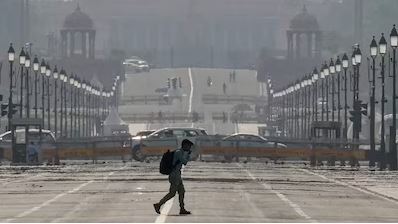
Delhi is currently experiencing unusually high temperatures, with a reported heatwave on April 28, 2026. The city’s maximum temperature reached nearly 43°C, starkly contrasting with Dubai’s cooler readings of around 30°C. This temperature disparity of approximately 10°C has raised questions regarding the climatic differences between the two cities.

The heatwave in Delhi has intensified over recent weeks. By April 21 and 22, temperatures had already exceeded 40°C, marking an early start to what was typically considered the peak summer season. The India Meteorological Department (IMD) confirmed that April 26 registered a maximum of 42.8°C at Safdarjung, Delhi’s main weather observation point, 5.1°C above the average for this time of year.

This ongoing heatwave is reportedly the third consecutive day Delhi has faced extreme temperatures. The primary drivers behind this phenomenon include persistent dry winds from the northwest and clear skies that amplify the sun’s impact. Unfortunately, the harsh conditions do not appear to be an anomaly, as Delhi witnessed twelve heatwave days in 2024, with a peak streak of ten days where temperatures exceeded 45°C.

Widespread Heat Across India

Delhi is not alone in contending with the rising temperatures. Parts of northwest, central, and peninsular India are also facing severe heat, with maximum temperatures ranging from 40°C to 44°C. On April 28, Banda, Uttar Pradesh, recorded the highest temperature in the region at 45°C. Other major cities in Uttar Pradesh, such as Lucknow and Kanpur, are similarly experiencing extreme heat conditions.

As the situation escalates, power demands are projected to surpass 9,000 megawatts this summer, significantly higher than the previous year’s peak of 8,442 megawatts. This surge is primarily driven by the extensive use of air conditioning and cooling systems, vital for residents coping with the oppressive heat.

In contrast, Dubai’s climate benefits from its coastal proximity to the Persian Gulf. The city typically enjoys daytime temperatures around 34°C during April, moderated by sea breezes and humidity that help to alleviate the heat, especially during the night.

Geographical Influences on Temperature Disparity

The stark temperature difference between Delhi and Dubai can be attributed to geographical factors. Dubai’s coastal location allows for more temperate conditions, whereas Delhi, situated on the Indo-Gangetic Plain, is vulnerable to hot, dry winds from the nearby Thar Desert. This lack of an oceanic buffer significantly exacerbates summer heat in Delhi.

Furthermore, the urban heat island effect compounds the issue in Delhi. Urban construction, coupled with limited green spaces, has led to significantly higher temperatures in metropolitan areas compared to their rural surroundings. This phenomenon increases heat stress for millions of outdoor workers and daily-wage earners who remain exposed to harsh conditions without access to reliable cooling.

While a series of western disturbances is expected to bring some relief to northern India from April 28 to April 30, with thunderstorms and gusty winds, the respite is anticipated to be brief. The ongoing heat crisis will likely persist, reminding residents of the challenges posed by rising temperatures in Delhi.

Long or Short, get news the way you like. No ads. No redirections. Download Newspin and Stay Alert, The CSR Journal Mobile app, for fast, crisp, clean updates!

App Store –  https://apps.apple.com/in/app/newspin/id6746449540 

Google Play Store – https://play.google.com/store/apps/details?id=com.inventifweb.newspin&pcampaignid=web_share

Latest News

Popular Videos
