


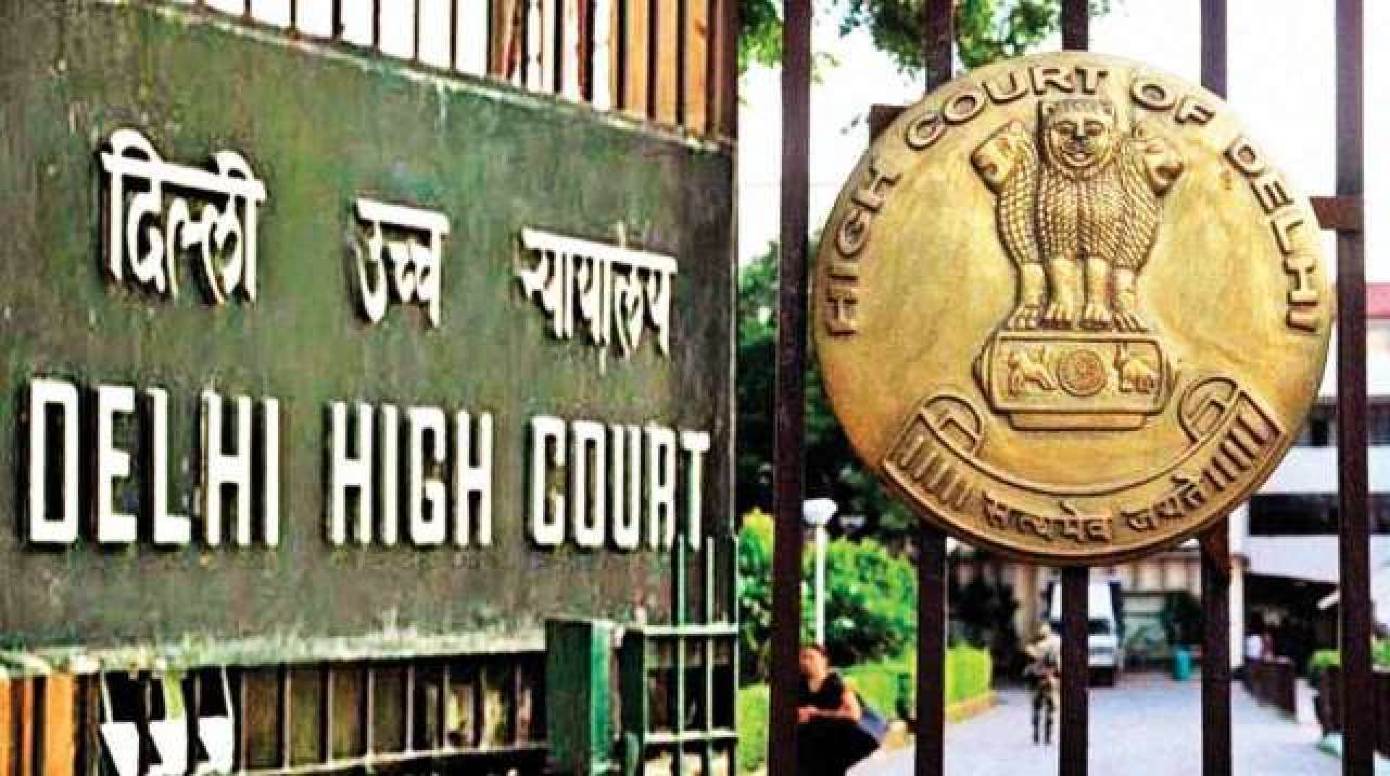
Delhi High Court Clears Sperm Retrieval for Soldier, Upholds IVF Consent
The CSR Journal Magazine

The Delhi High Court has approved the retrieval and cryopreservation of sperm from a soldier who is currently in a persistent vegetative state. This decision comes in response to the absence of fresh written consent, which had been a point of contention. The court determined that the soldier’s prior consent for In Vitro Fertilization (IVF) treatment remains legally valid.

Details of the Ruling

On April 13, 2026, Justice Purushaindra Kumar Kaurav issued the ruling, which allows the soldier’s wife, who filed the petition, to provide the necessary consent for IVF-related procedures. The court stipulated that this consent must adhere to any statutory requirements while taking into account the medical condition of the soldier.

The soldier in question had sustained a severe traumatic brain injury while on duty in Jammu and Kashmir, resulting in his current state. Prior to his injury, the couple had made plans for IVF treatment to conceive a child, further complicating the legal aspects surrounding reproductive rights.

A medical board at the Army Hospital (R&R) in Delhi Cantt testified before the court, indicating that while the technical feasibility of sperm retrieval exists, the likelihood of acquiring viable sperm is minimal. Furthermore, it was acknowledged that the soldier no longer has the capacity to provide informed consent as mandated by the Assisted Reproductive Technology (Regulation) Act, 2021.

Legal Implications and Considerations

The court’s emphasis was on the fact that procedural stipulations must not infringe upon fundamental rights. It highlighted that reproductive autonomy and the right to motherhood under Article 21 should be interpreted in a way that promotes justice and equity. The court noted that the soldier had previously consented to IVF before his accident, asserting that this prior agreement should remain valid and not be negated due to his subsequent incapacity.

In reinforcing its ruling, the Delhi High Court cited judicial precedents indicating that Indian law does not preclude reproductive procedures, provided that consent can be reasonably established. Consequently, the court directed the relevant authorities to continue the sperm retrieval process without the necessity of procuring new written consent from the soldier.

This ruling has broader implications for reproductive rights in India, especially concerning individuals unable to offer their own consent due to medical conditions. The court’s determination serves as a notable precedent in the relationship between medical ethics and legal frameworks regarding reproductive technologies.

Future Steps and Procedures

The decision by the Delhi High Court sets the stage for the next steps in the IVF process for the soldier’s wife. With the court’s endorsement, she can now proceed to initiate sperm retrieval, which will be conducted in adherence to existing medical guidelines and legal standards.

Medical professionals and legal experts are expected to monitor the implementation of this ruling closely, as it could influence future cases involving similar circumstances. The focus will invariably remain on balancing the rights of individuals with the ethical considerations surrounding reproductive technologies.

The case illustrates the judiciary’s role in navigating complex interactions between health care and rights, ensuring that fundamental entitlements are upheld despite challenging situations. This scenario may prompt further discussions on legislative reforms related to reproductive rights in India.

Long or Short, get news the way you like. No ads. No redirections. Download Newspin and Stay Alert, The CSR Journal Mobile app, for fast, crisp, clean updates!

App Store –  https://apps.apple.com/in/app/newspin/id6746449540 

Google Play Store – https://play.google.com/store/apps/details?id=com.inventifweb.newspin&pcampaignid=web_share

Latest News

Popular Videos
