


Delhi Government Issues Public Health Advisory Amid Swine Flu Surge
The CSR Journal Magazine

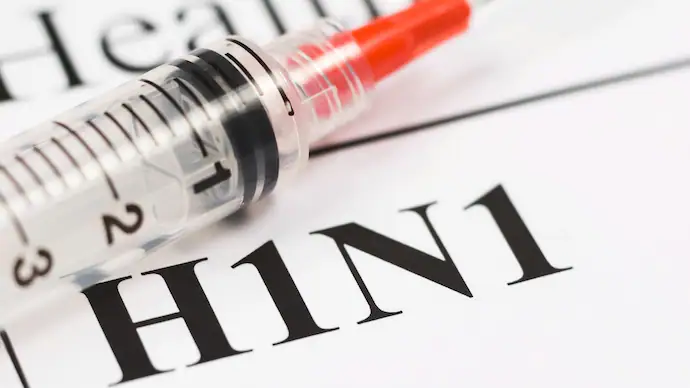
In response to a significant increase in swine flu cases, the Delhi government has issued a health advisory urging residents to prioritise respiratory hygiene. The advisory recommends wearing masks in crowded areas and seeking medical attention promptly if flu-like symptoms occur. The health department has reported over 1,777 confirmed H1N1 cases in the capital so far this year, with a notable 114 new infections recorded on 22 August 2026 alone.

To combat the spread of the virus, officials recommend actions such as covering the mouth and nose during coughing or sneezing, frequent handwashing with soap and water, and steering clear of close contact with individuals suffering from respiratory issues. Additional recommendations include avoiding unnecessary touching of the eyes, nose, and mouth, as well as refraining from spitting in public spaces and ensuring adequate hydration.

Residents manifesting symptoms such as fever, cough, sore throat, body aches, headaches, or difficulty in breathing have been strongly advised to consult medical professionals rather than self-medicate. This appeal comes as health experts stress the importance of early intervention in managing flu cases.

City Preparedness and Health Infrastructure

Health officials have indicated that Delhi’s healthcare system is prepared to handle the seasonal increase in influenza cases. A total of 35 hospitals across the city are currently under special surveillance, with two referral laboratories designated for testing and monitoring—these are located at the All India Institute of Medical Sciences (AIIMS) and the National Centre for Disease Control (NCDC).

The government has also released comprehensive technical guidelines that cover aspects such as patient categorisation, treatment protocols, home care procedures, ventilatory support, and mask usage. Both hospitals and district health authorities are required to enhance their screening, reporting, and monitoring activities concerning influenza-like illnesses (ILI), severe acute respiratory infections (SARI), influenza, and COVID-19 through the Integrated Health Information Platform (IHIP).

Delhi’s Health Minister, Pankaj Kumar Singh, participated in a review meeting chaired by Union Health Minister JP Nadda, during which he assured that the city possesses sufficient resources, including hospital beds, medical professionals, and essential medicines. He mentioned that patient numbers are being monitored closely and that necessary enhancements in hospital preparedness are being implemented as needed.

Influenza Trends and Surveillance Efforts

Current official data highlights that Delhi has recorded a total of 2,602 influenza cases in 2026, encompassing 2,392 cases of Influenza A and 210 cases of Influenza B. Among the Influenza A cases, H1N1 is the most prevalent strain, accounting for 1,777 infections, followed by H3 and H1 subtypes.

The Delhi State Health Mission is actively monitoring influenza patterns through the Integrated Disease Surveillance Programme (IDSP). Daily assessments, awareness initiatives, and training for healthcare workers are also being executed to bolster the city’s response to the ongoing health crisis.

Experts advise that India typically experiences two peaks of seasonal influenza each year—during the months of January through March and again in the post-monsoon period. This year, H1N1 has emerged as the dominant strain in circulation within Delhi, while H3N2 was noted as the leading subtype in the preceding year of 2025.

Long or Short, get news the way you like. No ads. No redirections. Download Newspin and Stay Alert, The CSR Journal Mobile app, for fast, crisp, clean updates!

App Store –  https://apps.apple.com/in/app/newspin/id6746449540 

Google Play Store – https://play.google.com/store/apps/details?id=com.inventifweb.newspin&pcampaignid=web_share

Latest News

Popular Videos
