


CJP Launches Adivasi School Thik Karo Campaign in Gadchiroli, Maharashtra
The CSR Journal Magazine

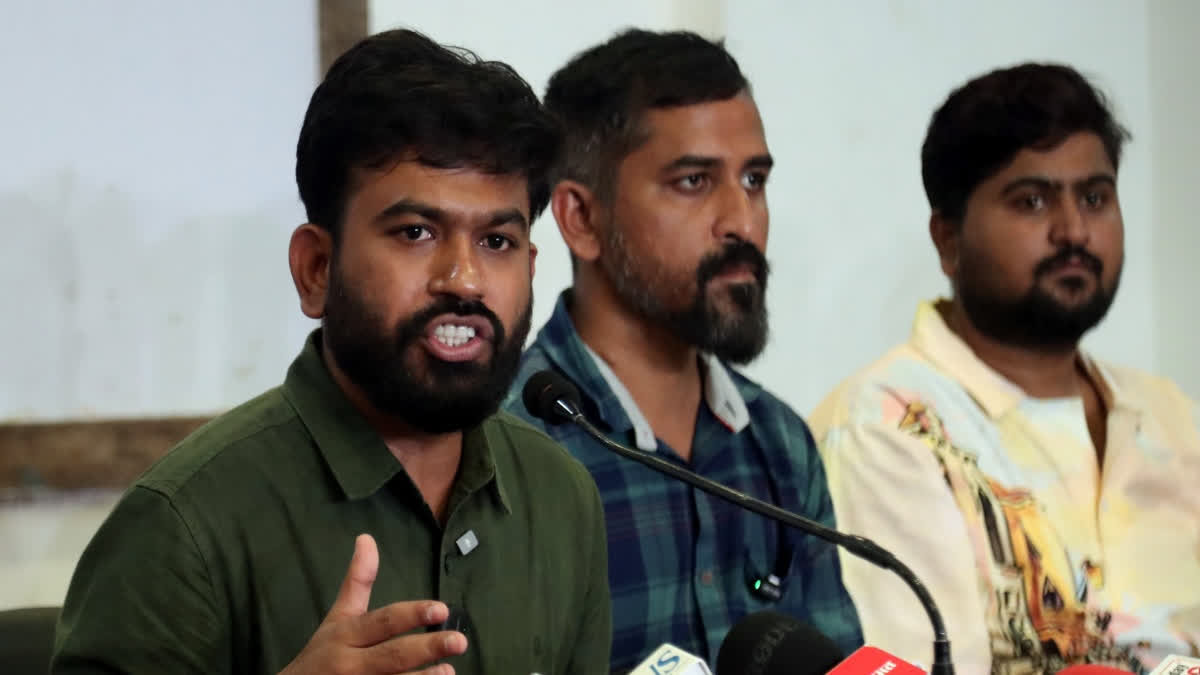
The Cockroach Janta Party (CJP) has initiated its ‘Adivasi School Thik Karo’ campaign in Gadchiroli district, Maharashtra, starting on September 17. The party’s founder, Abhijeet Dipke, stated that this initiative seeks to highlight the longstanding neglect of tribal schools by the government over the past 80 years. During a recent press conference, Dipke expressed concerns regarding the pervasive discrimination faced by tribal students across India, highlighting the need for systemic change in the education sector.

The campaign is an extension of CJP’s previous ‘School Thik Karo’ initiative, aimed at improving public schools in both rural and urban settings. Dipke mentioned that CJP representatives would visit tribal schools to evaluate their facilities and overall conditions. He urged that the plight of educational institutions in tribal areas has remained largely ignored, regardless of the ruling parties. This campaign seeks to address those needs directly.

Dipke underscored the urgent need for government investment in tribal education, emphasising that political parties overlook funding for essential resources in tribal residential schools, many of which operate from rented spaces. He called for prioritising the education of tribal communities, asserting that they have significant potential that needs to be nurtured.

Alarming Number of Student Deaths Reported

According to Dipke, there have been over 590 reported deaths of tribal students in Maharashtra within the last two years. He pointed out that many of these tragedies arise from snakebites, a perilous threat that remains inadequately addressed by governmental authorities. Dipke surmised that had such fatalities occurred in urban areas like Pune or Mumbai, there would have been substantial public outcry.

Further extending his concerns, Dipke mentioned more than 30 tribal student deaths in Balaghat, Madhya Pradesh, within the last two months and indicated similar incidents in other states including Chhattisgarh, Jharkhand, Odisha, Andhra Pradesh, and Uttarakhand. These alarming statistics have raised questions about the government’s commitment to addressing safety and health issues faced by tribal communities.

The speaker also noted that families of deceased students did not receive adequate compensation, contrasting the support offered in regions like Rajasthan and Madhya Pradesh. He expressed concern over the lack of financial restitution, suggesting that the treatment of tribal communities reflects broader systemic issues within government policies and practices.

Concerns Over Educational Infrastructure and Initiatives

Dipke raised critical questions regarding Eklavya Modern Residential Schools, revealing that of the 720 such institutions, 477 reportedly do not function effectively. He questioned the fate of students who rely on these schools for education and derided the inadequate enrolment rates among tribal students, which reportedly sit at 22.8 per cent in higher education. Dipke noted that only 130 Scheduled Tribe students secured admission to prestigious Indian Institutes of Technology.

During an engagement with tribal students in Nagpur, Dipke was made aware of a Memorandum of Understanding (MoU) related to tribal hostels, which he opposed. In a symbolic display of dissent, he tore up the agreement and expressed support for revoking it. The MoU had reportedly facilitated the transfer of hostels to a trust linked to the Rashtriya Swayamsevak Sangh, a claim which government officials termed “totally baseless.” Dipke’s actions were aimed at spotlighting the alleged government neglect of tribal education and welfare.

Overall, the CJP’s campaign strives to illuminate numerous challenges faced by tribal schools, such as inadequate infrastructure, student fatalities, and inequitable educational access. These issues form a crucial part of the discourse on tribal rights and the obligations of the government in ensuring equitable education for all citizens in India.

Long or Short, get news the way you like. No ads. No redirections. Download Newspin and Stay Alert, The CSR Journal Mobile app, for fast, crisp, clean updates!

App Store –  https://apps.apple.com/in/app/newspin/id6746449540 

Google Play Store – https://play.google.com/store/apps/details?id=com.inventifweb.newspin&pcampaignid=web_share

Latest News

Popular Videos
