


China’s Electric Vehicle Market Faces Domestic Challenges Despite Global Success
The CSR Journal Magazine

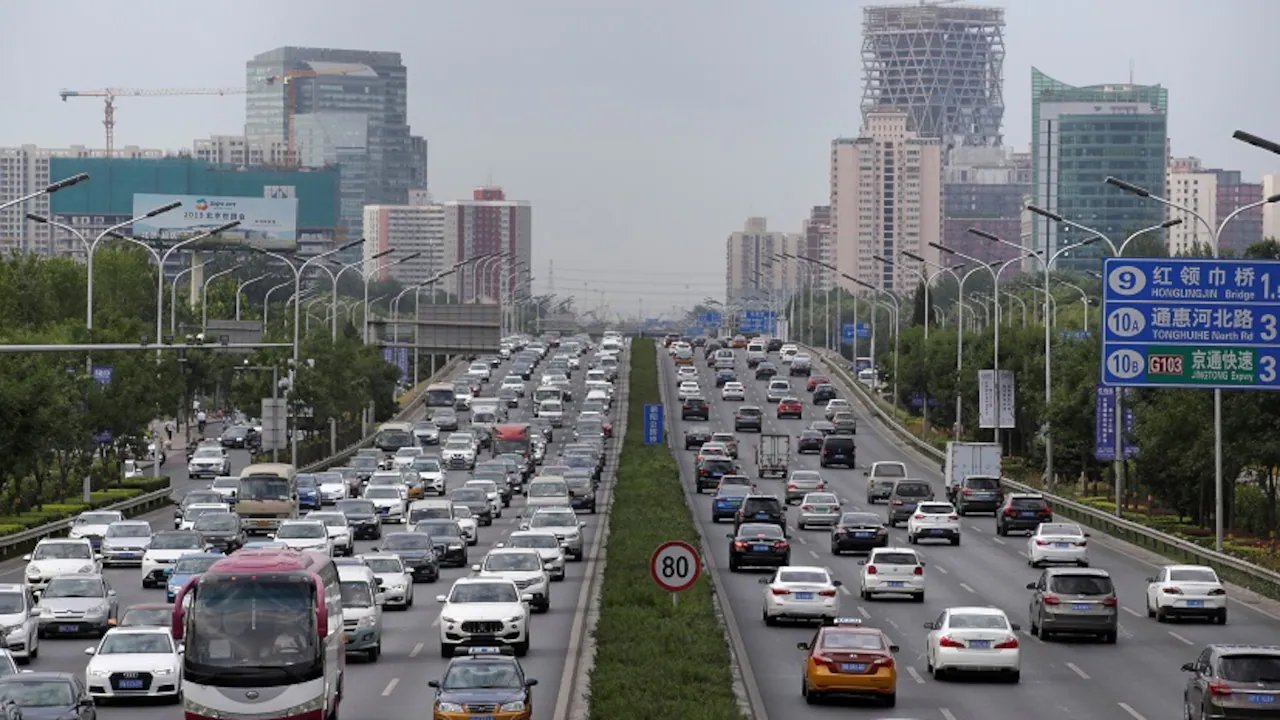
China has established itself as a dominant force in the electric vehicle (EV) sector, with its manufacturers gaining traction in international markets. However, this success contrasts sharply with the challenges faced domestically, where the car industry is grappling with overcapacity and a saturated market. Reports indicate that many manufacturers are struggling to sell enough vehicles, leading to aggressive pricing strategies that further pressure profit margins.

The Wall Street Journal recently highlighted the dissonance within China’s automotive sector, noting that production ambitions have outstripped actual sales. This imbalance is not due to a lack of technological advancement; rather, it stems from an industry that has expanded at a pace that domestic demand cannot sustain.

China’s EV manufacturers, including prominent names like BYD, NIO, and Geely, have benefited from substantial government support and rising consumer interest. However, the influx of new entrants into the market has intensified competition, forcing companies to resort to discounts to attract buyers, which has further strained profitability.

Challenges in the Automotive Sector

The automotive market in China is facing a multitude of challenges that complicate its landscape. Firstly, the sheer number of manufacturers competing for a limited customer base has created fierce competition, making it difficult for smaller companies to thrive. Secondly, significant investments in production capacity have been made in anticipation of continued sales growth, but as demand has slowed, these facilities have become costly liabilities.

Additionally, the pressure to maintain competitive pricing has made it increasingly difficult for manufacturers to achieve profitability. As companies cut prices to maintain market share, their profit margins are squeezed, necessitating higher sales volumes to offset losses. This cycle poses a particular risk for manufacturers lacking robust financial backing or unique product offerings.

As the domestic market becomes more competitive, many Chinese manufacturers are looking overseas for growth opportunities. Regions such as Europe and Southeast Asia have become focal points for expansion, where competitive pricing and advanced technology are enabling Chinese brands to challenge established automakers.

Implications for Global Markets and India

The growing presence of Chinese EV manufacturers in international markets is prompting established automakers to reevaluate their strategies. European companies, in particular, are facing increased competition, which is forcing them to reconsider pricing and product development. However, exporting vehicles is not a guaranteed solution, as overseas markets come with their own regulatory challenges and established competitors.

India’s electric vehicle landscape is still in its developmental phase, and while it cannot be directly compared to China’s situation, there are valuable lessons to be learned. Naveen Gupta, Founder and CEO of Trev Mobility, emphasised the importance of aligning production capacity with actual demand, stating that sustainability in the EV market requires a balance between manufacturing scale and customer needs.

Gupta also warned against the pitfalls of relying on aggressive pricing strategies for growth. He noted that while competition can drive innovation, prolonged price pressure can undermine profitability and threaten the viability of businesses. Indian manufacturers are encouraged to focus on building a robust ecosystem that supports the current demand while preparing for future growth.

Long or Short, get news the way you like. No ads. No redirections. Download Newspin and Stay Alert, The CSR Journal Mobile app, for fast, crisp, clean updates!

App Store – https://apps.apple.com/in/app/newspin/id6746449540

Google Play Store – https://play.google.com/store/apps/details?id=com.inventifweb.newspin&pcampaignid=web_share

Latest News

Popular Videos
